How the Hawrami people mastered life on the steep slopes of the Zagros Mountains
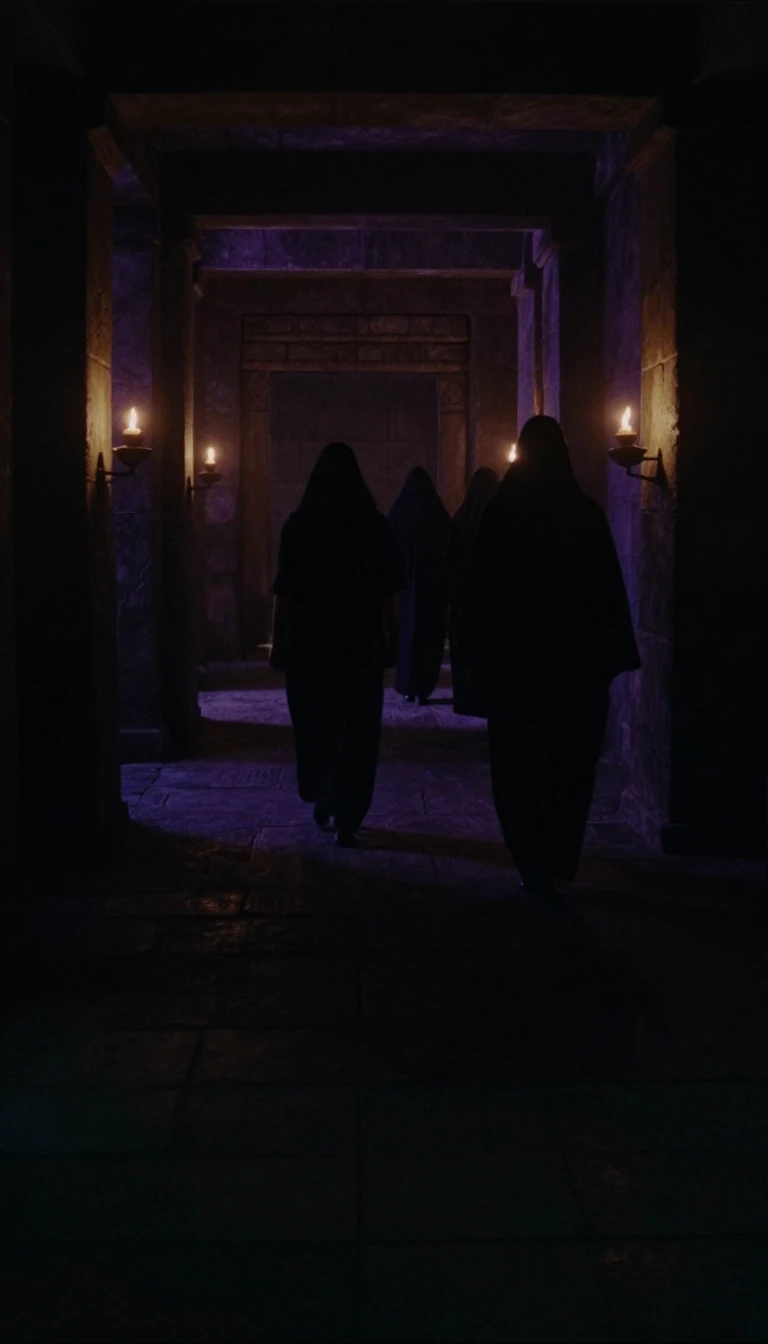
In short: Deep in the Zagros Mountains, the Hawrami people have cultivated a unique landscape for millennia. By integrating their architecture and agriculture into the rugged, steep terrain, this Kurdish tribe created a resilient way of life. Now a UNESCO World Heritage site, the region reveals a history stretching back to the Paleolithic.
The Cultural Landscape of Uramanat, also known as Hawraman, represents the 26th tangible cultural heritage site in Iran. Situated across the provinces of Kurdistan and Kermanshah, and extending into the Halabja Governorate of Iraqi Kurdistan, the region is defined by its 12 core villages. These settlements demonstrate a remarkable adaptation to a challenging environment where productive land is scarce. The Hawrami people, an agropastoral Kurdish tribe, have occupied this area since approximately 3000 BCE, developing specialized agricultural methodologies that harmonize with the steep mountain slopes.
Archaeological investigations, particularly those conducted during the Darian Dam Archaeological Salvage Program, have pushed the timeline of human presence in the region back significantly. Evidence suggests habitation dating to the Middle Paleolithic period, over 40,000 years ago. Excavations unearthed diverse sites, including the Dārāi Rockshelter and the Kenācheh Cave, though many of these locations were submerged following the reservoir flooding in 2015 and 2016. The region's historical depth is further underscored by the Inscription of Sargon II, which confirms Assyrian military presence in the area between 721 and 705 BC.
The cultural continuity of the region is uniquely documented by the Parchments of Avroman. Discovered in 1909 within a cave on Kuh-e Salan Mountain, these three documents date from 88/87 BC to 33 AD. Written in Greek and Parthian, they provide a rare glimpse into ancient land transactions, specifically the sale of vineyards. Following its initial inclusion on the UNESCO tentative list in 2007, the site was officially inscribed on the World Heritage List on July 27, 2021, during the 44th session of the UNESCO World Heritage Committee, cementing its status as a testament to human ingenuity in the face of geographic adversity.
Opens the Intellect+ feed with this card first. Swipe up for the next one.
Sources
- Summary by Intellect · source: Cultural Landscape of Uramanat
To cite this card, link to https://intellectplus.co.uk/app/places-cultural-landscape-of-uramanat.
How we source, check and correct cards: Editorial standards.
General information, not professional advice. Spotted an error? Flag the card or see corrections and complaints.
Intellect Plus is a visual educational discovery platform for exploring fascinating facts and ideas. Brain Food, Not Brain Rot. What is Intellect Plus?
Related
More in World Heritage Sites · More in Countries & Cities · Latest · A–Z · All topics
