Why this ancient Iranian village remains a living relic of a forgotten era
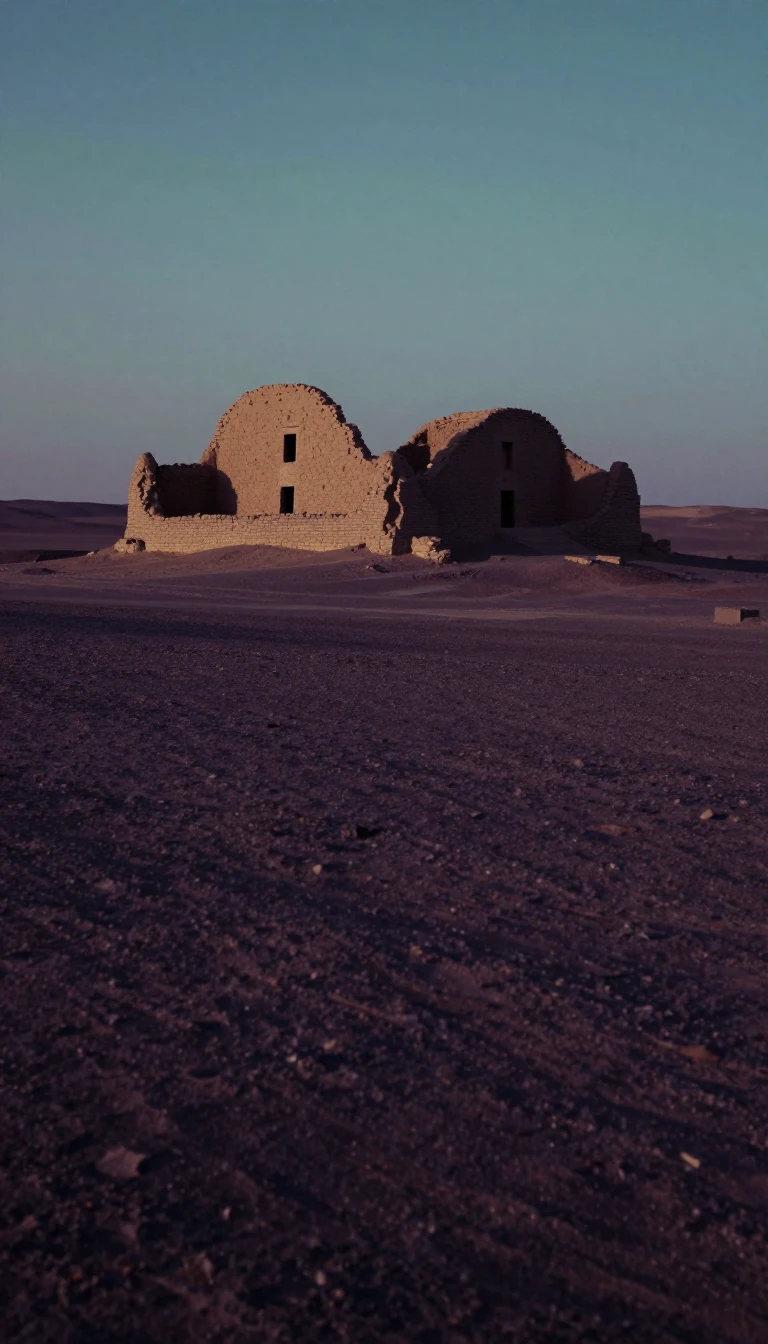
In short: Tucked away in the arid landscape of Kerman province, Meymand is a village defined by extreme weather and a linguistic connection to the distant past. While its population has dwindled significantly over the last two decades, this remote settlement holds a unique place in global heritage, preserved through its enduring cultural traditions.
Meymand serves as a rare window into historical human adaptation. Situated within the Central District of Shahr-e Babak County, the village faces a challenging environment characterized by intense summer heat and biting winter cold. This harsh climate has shaped a resilient community that maintains a distinct identity, most notably through its language. The local dialect is particularly significant for its preservation of vocabulary derived from the ancient Sassanid and Pahlavi tongues, offering a rare linguistic link to Iran's pre-Islamic heritage.
The village's cultural importance gained international recognition in 2005 when it received a UNESCO-affiliated award for the protection and administration of its unique landscape, which included a grant of approximately $20,000. This acknowledgment preceded its formal designation as a UNESCO World Heritage Site on July 4, 2015. Scholars such as Rihanna Ebrahimi have highlighted the site's specific value within the field of critical heritage studies, noting that its position in the cultural landscape is singular.
Despite its status as a protected heritage site, Meymand has experienced a sharp demographic decline. Data from the 2006 National Census recorded 674 residents across 181 households. By the 2011 census, those figures had dropped to 214 people in 74 households. The most recent data from the 2016 census indicates a further reduction to just 105 inhabitants living in 44 households. This ongoing shift raises questions about the long-term sustainability of maintaining such a traditional way of life in an increasingly isolated and environmentally demanding region.
The village remains a subject of academic interest, not only for its historical architecture and linguistic roots but also for the challenges inherent in managing a living site that is simultaneously a national and world heritage treasure. As the population continues to contract, the effort to safeguard the intangible heritage of the region, such as its ancient linguistic elements, becomes increasingly vital to those studying the intersection of human history and environmental endurance.
Opens the Intellect+ feed with this card first. Swipe up for the next one.
Sources
- Summary by Intellect · source: Meymand, Kerman
To cite this card, link to https://intellectplus.co.uk/app/places-meymand-kerman.
How we source, check and correct cards: Editorial standards.
General information, not professional advice. Spotted an error? Flag the card or see corrections and complaints.
Intellect Plus is a visual educational discovery platform for exploring fascinating facts and ideas. Brain Food, Not Brain Rot. What is Intellect Plus?
Related
More in World Heritage Sites · More in Countries & Cities · Latest · A–Z · All topics
