Kurdistan province: A deep-rooted Iranian region where ancient traditions meet modern economic challenges
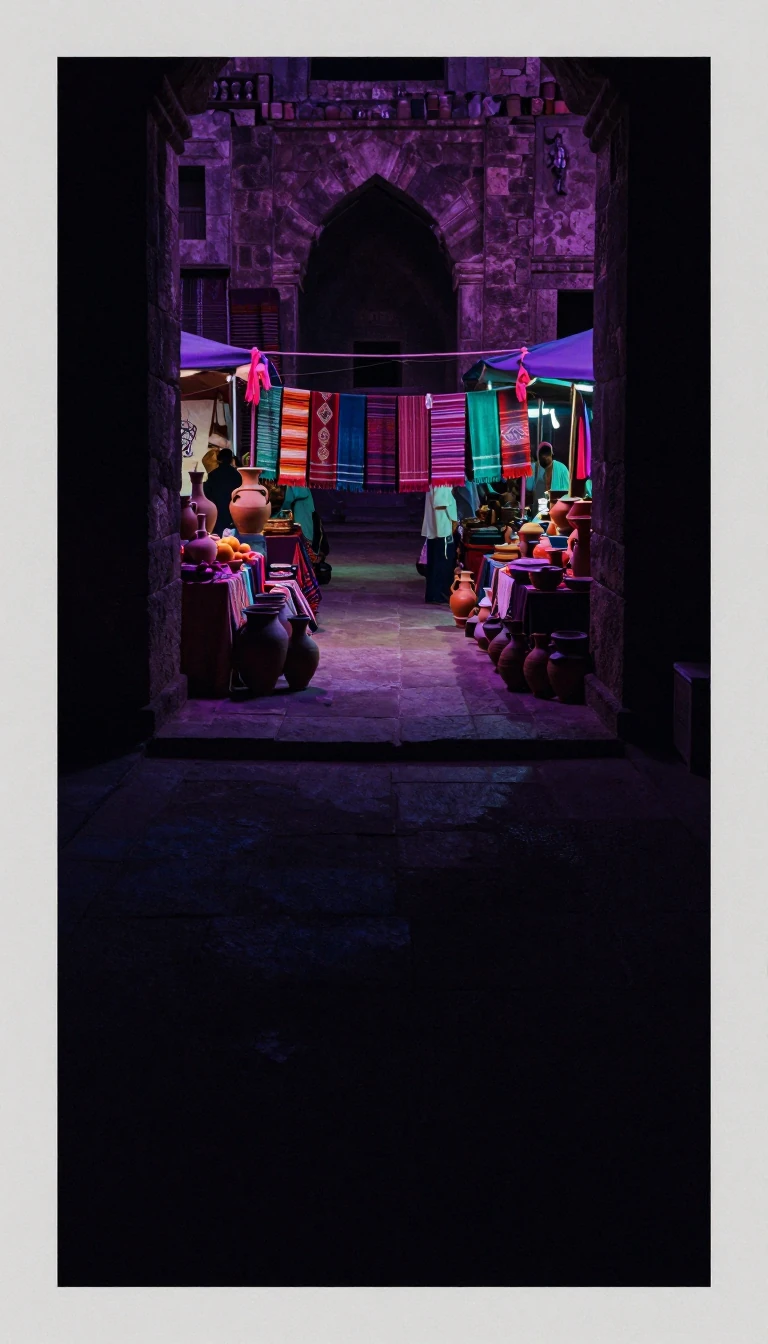
In short: Located in western Iran, Kurdistan province is a land of profound historical depth and cultural resilience. From Paleolithic origins to vibrant contemporary festivals like Nowruz, the region maintains a distinct identity. Yet, beneath its rich heritage lies a complex landscape of linguistic diversity, religious pluralism, and significant economic hardship.
Kurdistan province, one of Iran's 31 provinces, spans 28,817 square kilometers with Sanandaj serving as its capital. Its history is incredibly ancient; evidence of human occupation dates back over 40,000 years to the Paleolithic Period, when Neanderthals inhabited the Sirwan Valley. Today, the province serves as a cultural heartland for Iranian Kurds, though it also hosts significant populations of Iranian Azeris, particularly along its eastern borders.
The region is a mosaic of languages and beliefs. While Sorani Kurdish is the primary language, Southern Kurdish, Gorani, and various Oghuz Turkic dialects are also spoken. Persian is increasingly adopted as a first language, especially in eastern areas. Religiously, the province is predominantly Sunni, though it remains home to Shia, Yarsanism, and Christian minorities. This diversity is mirrored in the local lifestyle, where traditional clothing and ancient customs like the fire-dance festival Chaharshanbeh Suri remain central to daily life, even in the face of global modernism.
Economically, the province faces substantial hurdles. Agriculture and livestock farming, focusing on wheat, barley, and fruits, form the backbone of the local economy alongside textile, metal, and food industries. Despite this, the province suffers from one of the highest unemployment rates in Iran. This economic strain is starkly illustrated by the more than 20,000 people who rely on working as kolbars—cross-border porters—for their sustenance. The province’s population has seen rapid growth, rising from 1,416,334 in 2006 to 2,152,471 by 2016, reflecting the ongoing evolution of this complex, mountainous region.
The cultural vitality of the province is perhaps best captured during Nowruz, the Iranian New Year. Celebrated with immense opulence, the festival marks the spring equinox with ritual dances, poetry, and symbolic fire ceremonies. These traditions, alongside a deep-seated commitment to historical lifestyle practices, ensure that Kurdistan remains a distinct and significant entity within the broader Iranian state.
Opens the Intellect+ feed with this card first. Swipe up for the next one.
Sources
- Summary by Intellect · source: Kurdistan province
- Also: Wikidata — Kurdistan Province · CC0
To cite this card, link to https://intellectplus.co.uk/app/places-kurdistan-province.
How we source, check and correct cards: Editorial standards.
General information, not professional advice. Spotted an error? Flag the card or see corrections and complaints.
Intellect Plus is a visual educational discovery platform for exploring fascinating facts and ideas. Brain Food, Not Brain Rot. What is Intellect Plus?
Related
More in Regions and country subdivisions · More in Countries & Cities · Latest · A–Z · All topics
