Why this Vietnamese mountain city was built to mimic a cool European retreat
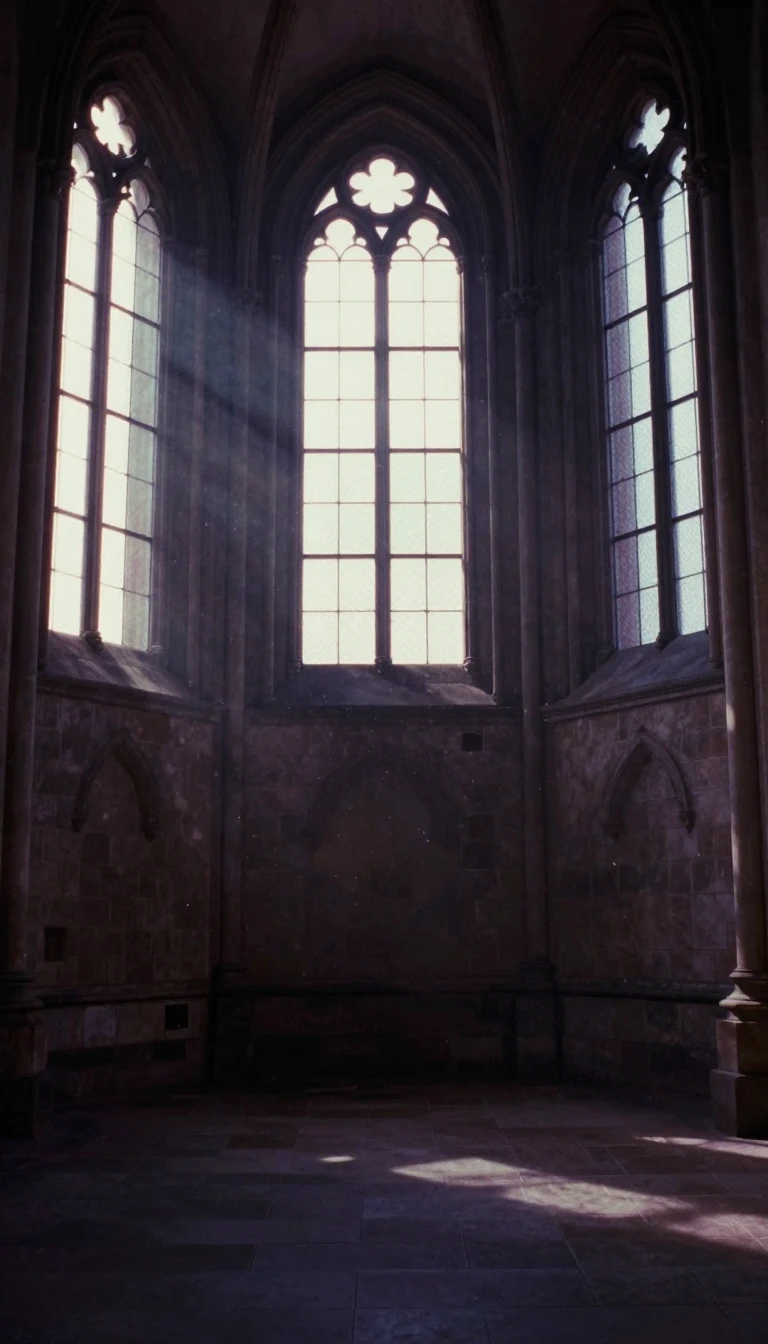
In short: Perched 1,500 meters high on the Langbiang Plateau, Da Lat was designed by French colonialists to escape the sweltering heat of the coast. Known as the City of Eternal Spring, this highland hub blends Swiss-style villas, Art Deco railway stations, and surrealist architecture with a unique, year-round temperate climate.
Established in the 1890s after explorers like Alexandre Yersin proposed a highland resort, Da Lat was meticulously planned by urbanist Ernest Hébrard. The French envisioned a 'summer capital' for Indochina, filling the landscape with boulevards, villas, and boarding schools. This colonial legacy persists in the city's distinct aesthetic, including the 1938 railway station—an Art Deco masterpiece that subtly incorporates the pointed roof styles of the local Central Highlands communal buildings.
The city's climate is its defining feature. While Southern Vietnam swelters in tropical heat, Da Lat remains mild, with average temperatures between 14 and 23 °C. This environment allows for a thriving agricultural sector, producing everything from artichokes and coffee to roses and hydrangeas. The name itself, derived from the local Lạt people, means 'Stream of the Lạt,' though the French later popularized a Latin backcronym claiming the city provided 'pleasure to some, freshness to others.'
Beyond its colonial roots, Da Lat has evolved into a center for modern scientific research in biotechnology and nuclear physics. Its architectural landscape is equally eclectic, ranging from the imperial mansions of Emperor Bao Dai to the 'Crazy House,' an expressionist guesthouse designed by Dang Viet Nga. Inspired by Antoni Gaudí, the structure’s organic, non-rectilinear forms have cemented its status as one of the world's most bizarre buildings. Today, the city remains a premier destination for honeymooners and tourists, drawing over 1.5 million visitors annually.
While the city was largely spared the worst of the Vietnam War, it saw intense fighting during the 1968 Tet Offensive. Following the conflict and the eventual reunification of Vietnam, Da Lat transitioned into a modern hub. As of July 2025, the city ceased to exist as a formal municipal unit, yet it remains a vital cultural and agricultural center, continuing to serve as a cool-weather sanctuary in the heart of the tropics.
Opens the Intellect+ feed with this card first. Swipe up for the next one.
Sources
- Summary by Intellect · source: Da Lat
To cite this card, link to https://intellectplus.co.uk/app/places-da-lat.
How we source, check and correct cards: Editorial standards.
General information, not professional advice. Spotted an error? Flag the card or see corrections and complaints.
Intellect Plus is a visual educational discovery platform for exploring fascinating facts and ideas. Brain Food, Not Brain Rot. What is Intellect Plus?
Related
More in Asia · More in Countries & Cities · Latest · A–Z · All topics
