How a Mekong Delta hub evolved from a refugee settlement to a colonial gateway
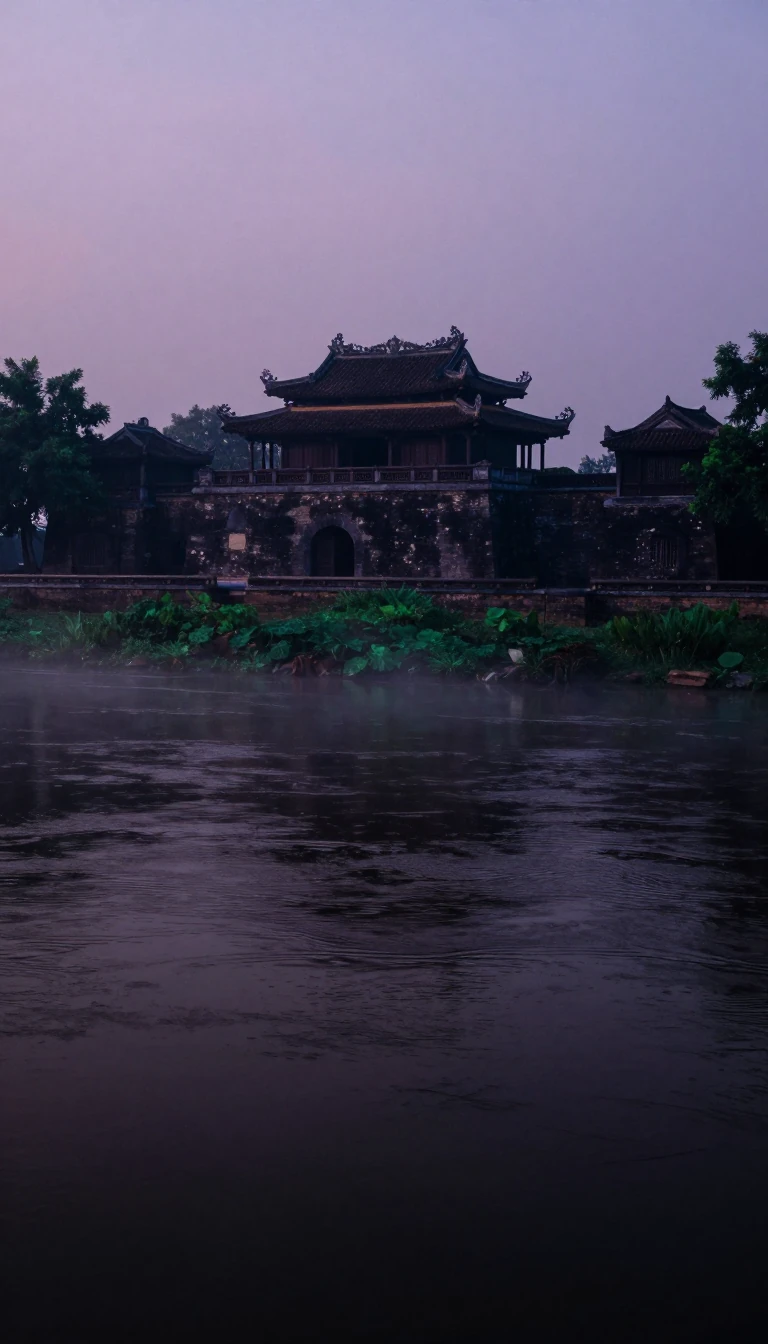
In short: Founded by Chinese refugees in the 1680s, Mỹ Tho became a vital commercial center and the traditional entry point to the Mekong Delta. From its role in French colonial history to its modern identity as a hub for agriculture and tourism, this city has long shaped the pulse of Southern Vietnam.
Mỹ Tho was established in the 1680s by Chinese refugees who fled their homeland following the collapse of the Southern Ming remnants. Named after the river it borders, the city translates to beautiful tree in chữ Hán. Its strategic location near Saigon quickly propelled it into one of the most significant commercial centers in Southern Vietnam by the 17th century, serving as the primary gateway to the fertile Mekong Delta.
The city's trajectory shifted dramatically during the 19th century under French colonial rule. In 1862, France captured the city, a move that effectively solidified the establishment of the Cochinchina colony and initiated nearly a century of dominance. During this era, the city modernized rapidly; in 1885, it became the terminus for Vietnam's first railway line, a 70-kilometre route connecting it to Saigon. The city also became an educational pioneer, opening the first high school in the southern region in 1879.
Throughout the 20th century, Mỹ Tho remained a focal point of regional conflict and change. It was a site of significant activity during the 1968 Tet Offensive, later chronicled in Tobias Wolff's memoir, and its historic railway was destroyed during the Vietnam War. By the 21st century, the city had evolved into a major economic and technological center, recognized as a grade II city in 2005. However, as of July 2025, the city underwent a major administrative transition, losing its status as a municipal city following the broader elimination of district-level units across Vietnam.
Today, the city remains a bustling center for the Mekong Delta's agricultural output, known for its floating markets and large fishing fleet. It serves as a vital hub for regional trade, dealing in everything from tropical fruits like longans and bananas to dried seafood. Despite its administrative changes, it remains a cultural touchstone, home to historic temples and institutions that honor the writers, poets, and national figures who shaped the Vietnamese identity.
Opens the Intellect+ feed with this card first. Swipe up for the next one.
Sources
- Summary by Intellect · source: Mỹ Tho (city)
To cite this card, link to https://intellectplus.co.uk/app/places-m-tho-city.
How we source, check and correct cards: Editorial standards.
General information, not professional advice. Spotted an error? Flag the card or see corrections and complaints.
Intellect Plus is a visual educational discovery platform for exploring fascinating facts and ideas. Brain Food, Not Brain Rot. What is Intellect Plus?
Related
More in Asia · More in Countries & Cities · Latest · A–Z · All topics
