How Vietnam's imperial capital was designed to align with the cosmic order
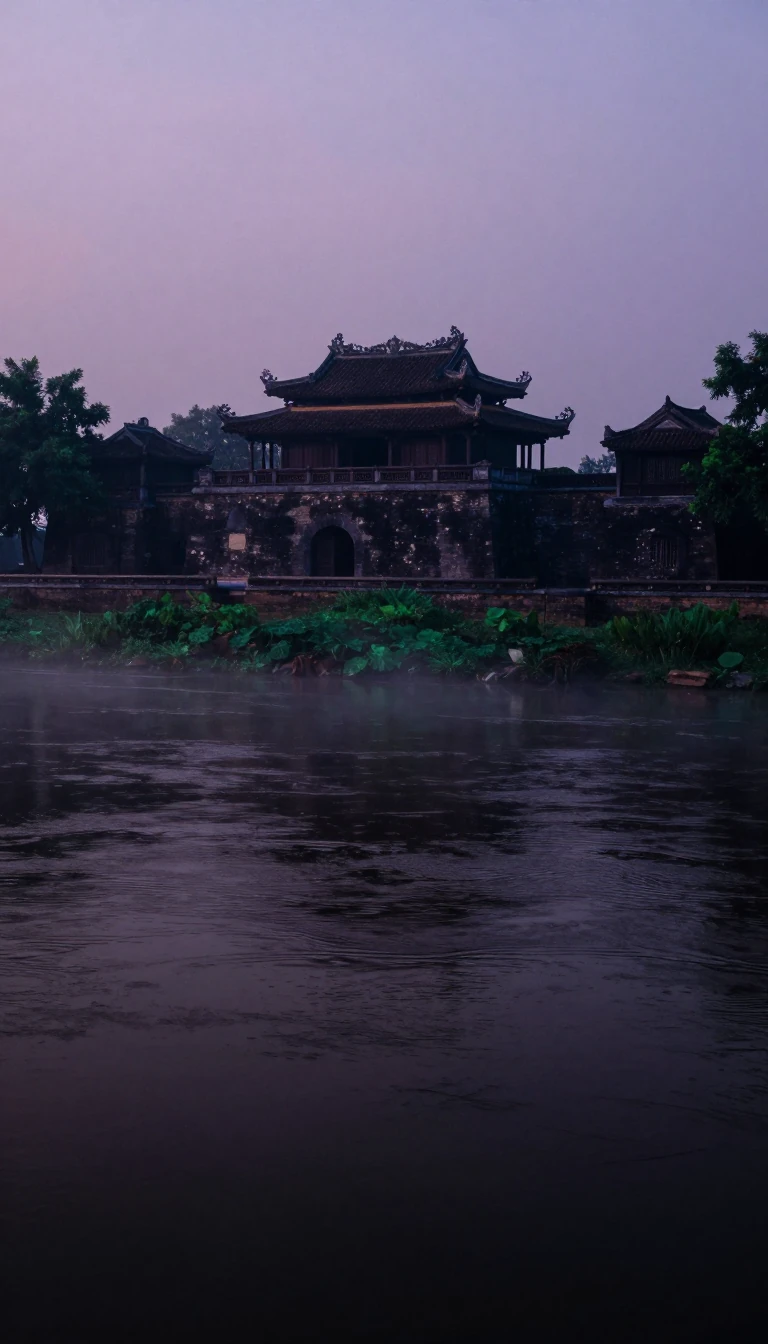
In short: The Complex of Hue Monuments is more than a collection of palaces; it is a physical manifestation of ancient geomancy. Established in 1802, this UNESCO World Heritage Site integrates imperial architecture with the natural landscape, mirroring the Five Elements and cardinal directions to anchor the empire within the cosmic order.
When Emperor Gia Long unified Vietnam in 1802, he designated Hue as the capital, transforming it into the nation's political, cultural, and religious heart. The site is defined by a sophisticated layout consisting of the Citadel, the Imperial City, and the Purple Forbidden City. Beyond these central structures, the complex extends into the surrounding landscape, incorporating various temples, pagodas, and the elaborate final resting places of seven emperors, including Gia Long, Minh Mang, Thieu Tri, Tu Duc, Duc Duc, Dong Khanh, and Khai Dinh.
The design of the complex is deeply rooted in oriental geomancy. Architects meticulously positioned buildings to correspond with the Five Elements—earth, metal, wood, water, and fire—and the Five Cardinal Points. This symbolic framework is further expressed through a specific palette of five colors: yellow, white, blue, black, and red. By aligning the architecture with these natural and metaphysical principles, the builders sought to harmonize the imperial seat with the surrounding environment, which features a distinct pairing of mountains and rivers characteristic of the region.
Architecturally, the site reflects a complex synthesis of influences. While it draws heavily from the traditions of earlier Vietnamese dynasties and the refined artistic sensibilities of China, it also incorporates unique elements of national identity. Interestingly, the blend includes Western architectural features introduced by French professionals employed during the reign of Gia Long. The resulting layout follows a concentric structure, with the outer wall enclosing the imperial citadel, which in turn protects the central imperial palace, creating a fortified yet spiritually aligned urban core.
Opens the Intellect+ feed with this card first. Swipe up for the next one.
Sources
- Summary by Intellect · source: Complex of Huế Monuments
- Also: Wikidata — Complex of Huế Monuments · CC0
To cite this card, link to https://intellectplus.co.uk/app/places-complex-of-hu-monuments.
How we source, check and correct cards: Editorial standards.
General information, not professional advice. Spotted an error? Flag the card or see corrections and complaints.
Intellect Plus is a visual educational discovery platform for exploring fascinating facts and ideas. Brain Food, Not Brain Rot. What is Intellect Plus?
Related
More in World Heritage Sites · More in Countries & Cities · Latest · A–Z · All topics
