The Dalai Lama title was created by a Mongol leader, not a Tibetan monk.
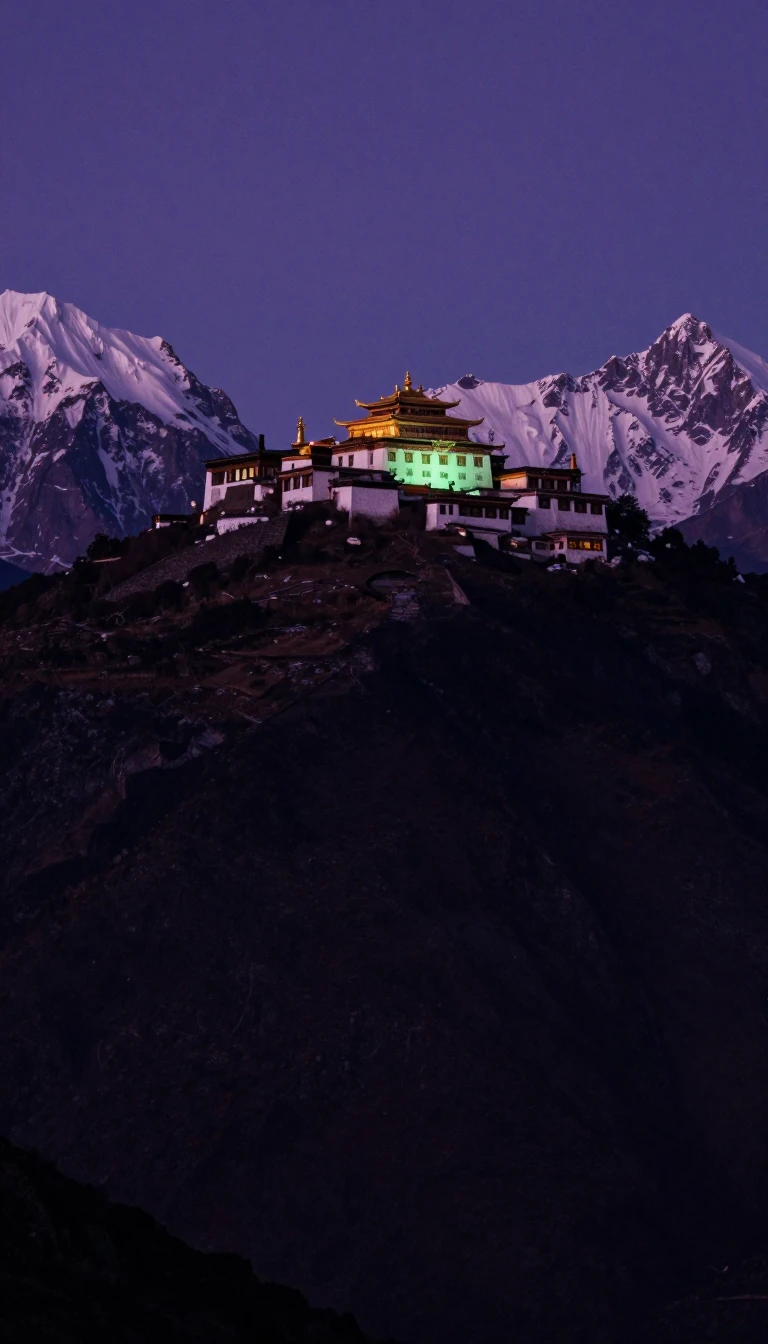
In short: While the Dalai Lama is the spiritual head of Tibetan Buddhism, the title itself originated in 1578 from Altan Khan, a Mongol ruler. He bestowed the honor upon Sonam Gyatso, the third leader in a lineage that was later traced back to a humble goatherd born in 1391.
The institution of the Dalai Lama is rooted in the belief that these figures are incarnations of Avalokiteśvara, the bodhisattva of compassion. While the lineage is now traced back to a Brahmin boy from the time of Buddha Shakyamuni, the formal title was a 16th-century political gesture. Altan Khan, the Ming Shunyi King, granted the title 'Dalai Lama'—combining the Mongol word for 'ocean' with the Tibetan word for 'master'—to Sonam Gyatso in 1578 at Yanghua Monastery. This act solidified a 'priest and patron' relationship, where Mongol and later Manchu rulers provided political protection in exchange for spiritual legitimacy.
The first two figures in the lineage, Gendun Drup (1391–1474) and Gendun Gyatso (1475–1542), were awarded the title posthumously. Gendun Drup, born to a family of goatherders, rose to prominence as a scholar-saint and founder of Tashilhunpo Monastery. Despite his stature, the Kadampa tradition he was ordained in initially eschewed the tulku system of reincarnation. It was only after his death that monastic authorities, convinced by reports of a child claiming to be his incarnation, broke with tradition to recognize Gendun Gyatso as his successor. This established the precedent for the search for future incarnations.
The 14th Dalai Lama, Tenzin Gyatso, has served as a symbol of Tibetan nationhood since fleeing Lhasa in 1959. His role has evolved significantly; from 1642 until 1951, the Dalai Lamas led the secular government of Tibet from the Ganden Phodrang. Today, the nature of this power remains a subject of historical debate. Critics note that while Tibet maintained autonomy, it often functioned as a vassal or tributary state under Mongol and Qing Chinese control. The 14th Dalai Lama has navigated these complexities, eventually rejecting calls for independence in 1974 and acknowledging Tibet as part of China in 2005, while continuing to emphasize that his own reincarnation should remain free from external political interference.
Opens the Intellect+ feed with this card first. Swipe up for the next one.
Sources
- Summary by Intellect · source: Dalai Lama
- Also: Tenzin Gyatso
- Also: Wikidata — Dalai Lama · CC0
To cite this card, link to https://intellectplus.co.uk/app/places-dalai-lama.
How we source, check and correct cards: Editorial standards.
General information, not professional advice. Spotted an error? Flag the card or see corrections and complaints.
Intellect Plus is a visual educational discovery platform for exploring fascinating facts and ideas. Brain Food, Not Brain Rot. What is Intellect Plus?
Related
More in Cities · More in Countries & Cities · Latest · A–Z · All topics
