The first Dalai Lama was a shepherd who never held national political power
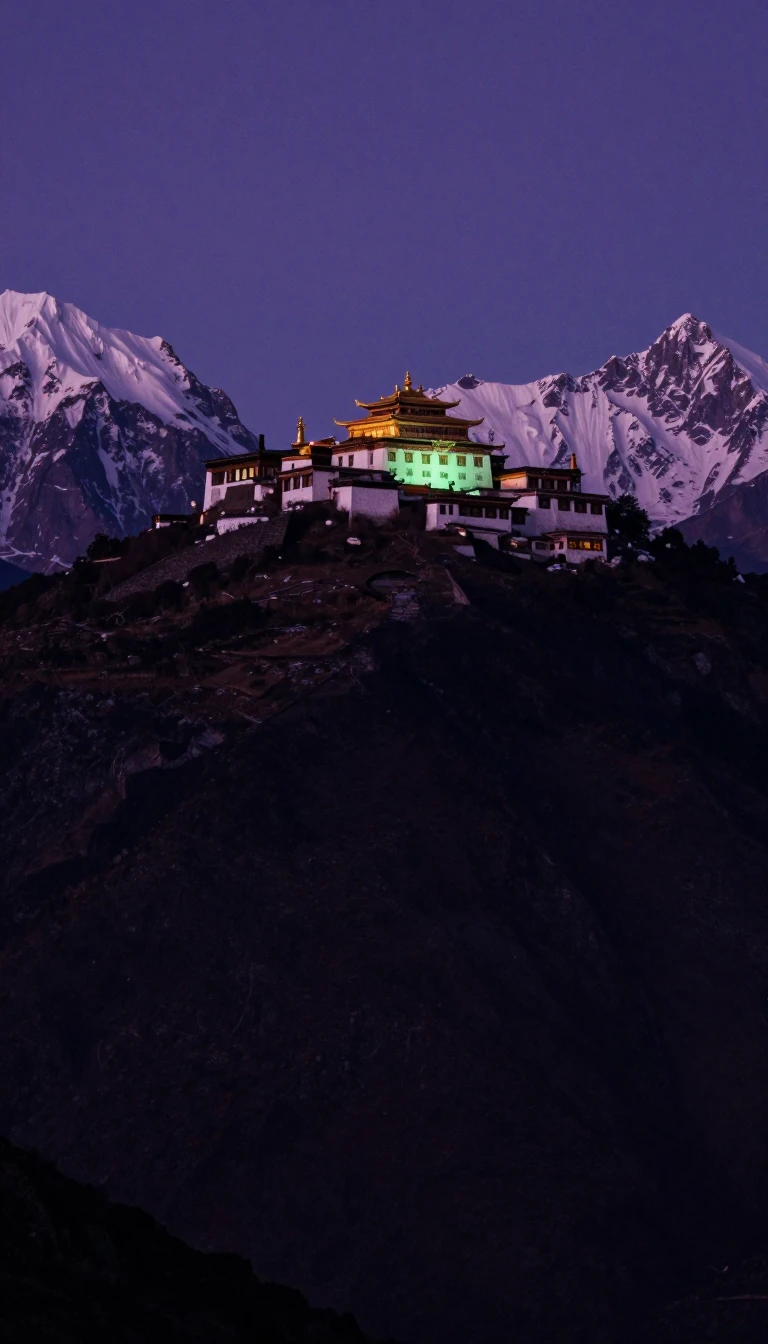
In short: Born in a cow-shed to nomadic parents, Gedun Drupa spent his early years tending sheep. He eventually rose to become one of Tibet's most revered scholar-saints, yet he never wielded the political authority associated with his title today. His legacy remains rooted in monastic scholarship and spiritual lineage.
Gedun Drupa, born in 1391 in the Tsang region, began his life far from the halls of power. Known initially as Péma Dorjee, he worked as a shepherd until age seven. His path shifted when he entered Narthang Monastery, eventually taking his monk vows in 1411. He became a dedicated student of the influential reformer Je Tsongkhapa, who founded Ganden Monastery in 1409. Gedun Drupa’s intellectual contributions were significant, including his commentary on the Abhidharma-kosa, titled Sunlight on the Path to Freedom, and his epic poem on the life of Gautama Buddha, Crushing the Forces of Evil to Dust.
While he is posthumously recognized as the first Dalai Lama, Gedun Drupa held no national political office during his lifetime. In the 15th century, Tibet’s political landscape was dominated by viceroys, the prince of Tsang, and the Mongolian Khagan. The integration of the Dalai Lama title with national political leadership did not occur until 1642, during the reign of the 5th Dalai Lama. Gedun Drupa’s primary focus remained on monastic life; he founded the Tashi Lhunpo Monastery in Shigatse, serving as its abbot until his death in 1474 at the age of 84.
The spiritual lineage associated with his name is tied to the guardian spirit Palden Lhamo. Tradition holds that she promised to protect the reincarnation line of the Dalai Lamas, a system later formalized by his successor, Gedun Gyatso. This connection to the sacred lake, Lhamo Latso, became a cornerstone for identifying future incarnations. Throughout his career, Gedun Drupa maintained deep scholarly connections, studying under figures like the Bodongpa Panchen Chogley Namgyal and interacting with contemporaries such as the high-ranking female incarnation Samding Dorje Phagmo. His life illustrates a transition from humble nomadic origins to a central figure in Tibetan Buddhist history, defined by his writings and monastic leadership rather than governance.
Opens the Intellect+ feed with this card first. Swipe up for the next one.
Sources
- Summary by Intellect · source: 1st Dalai Lama
To cite this card, link to https://intellectplus.co.uk/app/ideas-1st-dalai-lama.
How we source, check and correct cards: Editorial standards.
General information, not professional advice. Spotted an error? Flag the card or see corrections and complaints.
Intellect Plus is a visual educational discovery platform for exploring fascinating facts and ideas. Brain Food, Not Brain Rot. What is Intellect Plus?
Related
More in Dharmic religions · More in Ideas & Philosophy · Latest · A–Z · All topics
