How a Grand Duke’s dream of art and trade created a modern masterpiece
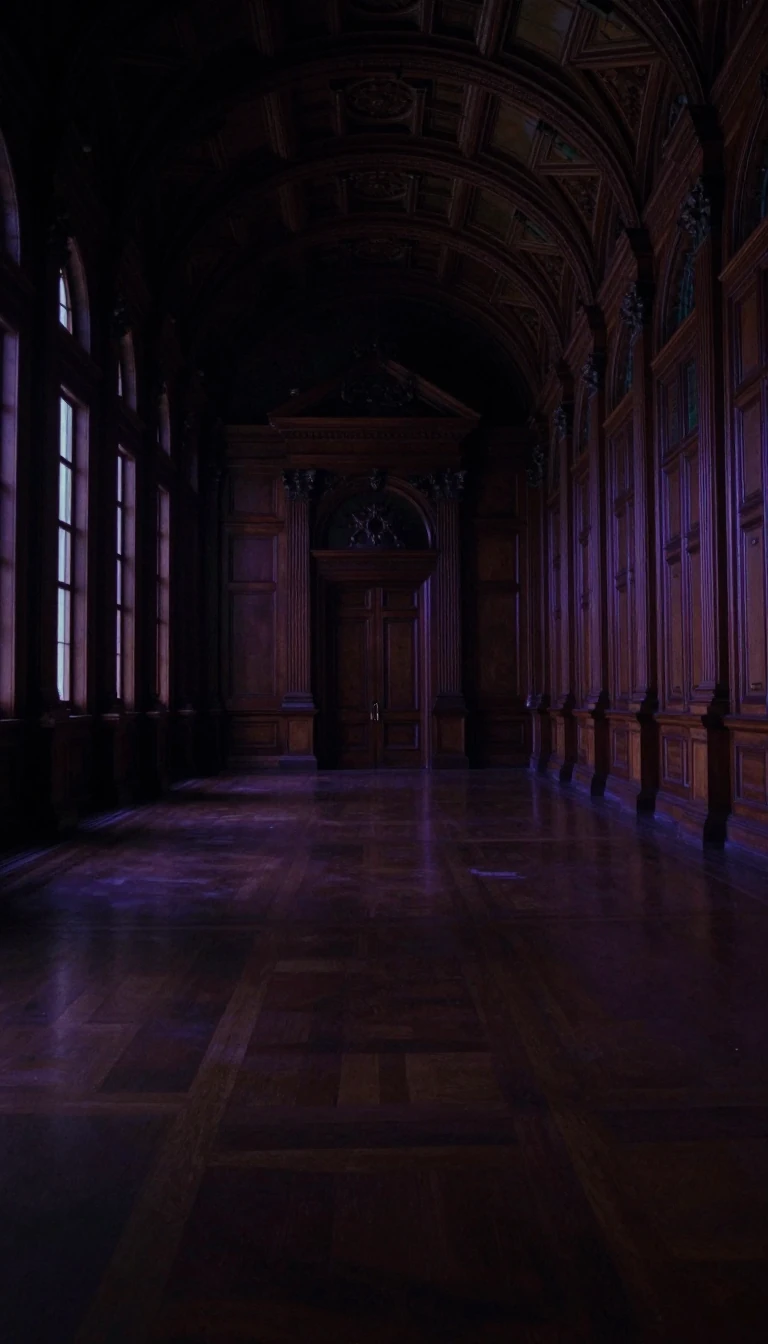
In short: In 1899, the Grand Duke of Hesse launched an ambitious experiment: merging fine art with industrial trade to revitalize his land. This vision birthed the Darmstadt Artists' Colony, a radical collection of Jugendstil architecture that transformed the Mathildenhöhe landscape and eventually earned UNESCO World Heritage status.
Founded by Grand Duke Ernest Ludwig, the colony was built on the principle of 'Mein Hessenland blüss und in ihm die Kunst'—the belief that art could provide the economic impulse necessary for his territory to flourish. By bringing together Art Nouveau talents like Joseph Maria Olbrich and Peter Behrens, the Duke aimed to pioneer forward-looking forms of construction and living. The project was not merely aesthetic; it was a functional demonstration of how architecture, interior design, and handicraft could integrate into modern life.
The colony's early years were marked by both architectural brilliance and financial volatility. The 1901 exhibition, 'A Document of German Art,' showcased individual houses and studios, but the festival ended in a significant financial loss by October of that year. This instability led to a exodus of key members, including Paul Bürck and Peter Behrens. Despite these setbacks, the movement continued to evolve through subsequent exhibitions, such as the 1908 Hesse regional exhibition, which focused on demonstrating that modern, high-quality living was attainable even with limited financial means.
The architectural legacy of the colony is a study in both permanence and loss. While some structures, like the Ernst Ludwig House, were repurposed as museums, others suffered devastating damage during World War II. The House Christiansen was completely destroyed, leaving a permanent gap in the area's original symmetry. Conversely, buildings like the Deiters House survived the war unscathed. Today, the site remains a vital testament to early modern landscape design and the reform movements of the early 20th century.
Opens the Intellect+ feed with this card first. Swipe up for the next one.
Sources
- Summary by Intellect · source: Darmstadt Artists' Colony
To cite this card, link to https://intellectplus.co.uk/app/places-darmstadt-artists-colony.
How we source, check and correct cards: Editorial standards.
General information, not professional advice. Spotted an error? Flag the card or see corrections and complaints.
Intellect Plus is a visual educational discovery platform for exploring fascinating facts and ideas. Brain Food, Not Brain Rot. What is Intellect Plus?
Related
More in World Heritage Sites · More in Countries & Cities · Latest · A–Z · All topics
