The Daugava River: A Vital Waterway Shaping Centuries of Baltic History and Trade
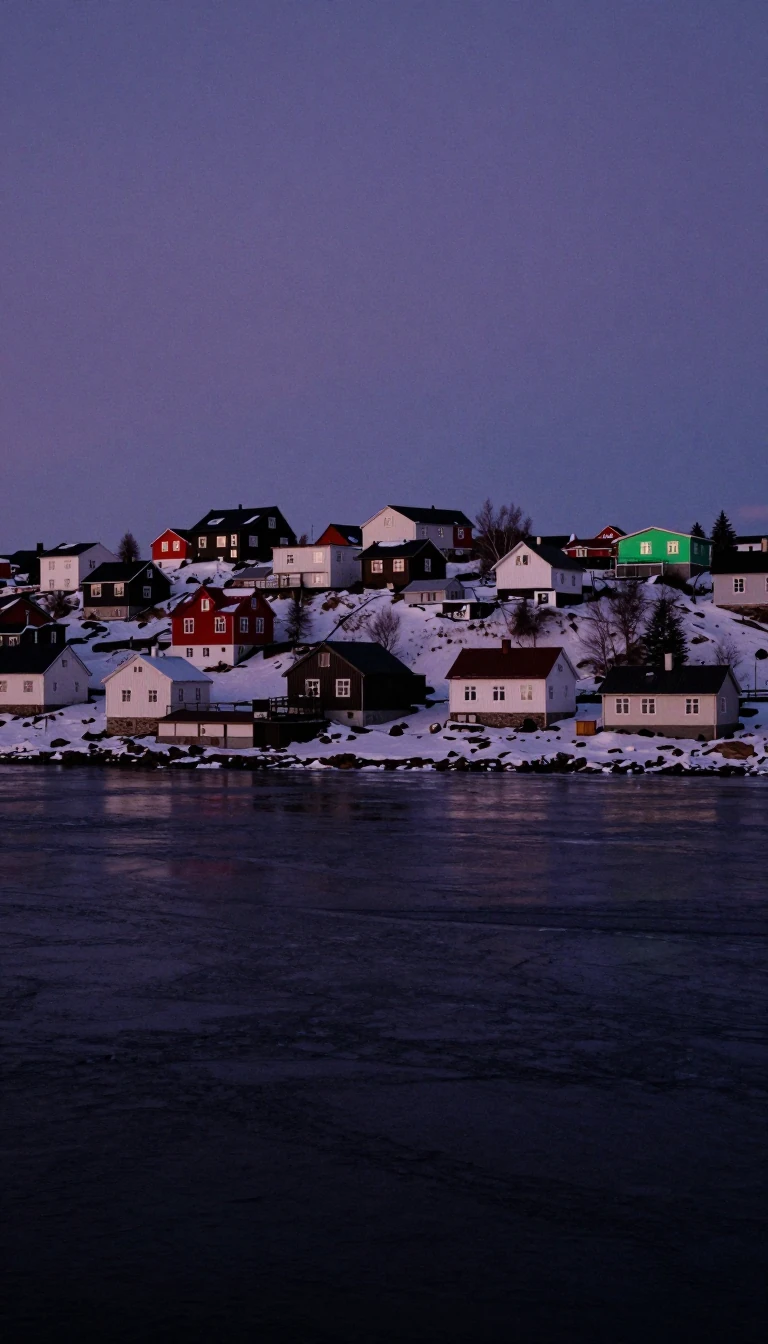
In short: Spanning over 1,000 kilometers, the Daugava River has served as a critical artery for trade, defense, and cultural exchange for millennia. From ancient Viking explorers to modern hydroelectric power, this westward-flowing river connects the Russian interior to the Baltic Sea, leaving a complex environmental and historical legacy in its wake.
Rising in the Valdai Hills of Russia, the Daugava—also known as the Western Dvina—travels 1,020 kilometers through Belarus and Latvia before emptying into the Gulf of Riga. Its name likely derives from Proto-Indo-European roots meaning 'large river,' though Finno-Ugric speakers historically referred to it as a peacefully rolling stream. The river’s geography has long dictated regional power dynamics; in medieval times, it served as a crucial segment of the trade route between the Varangians and the Greeks, facilitating the movement of northern furs and southern Byzantine silver.
The river's strategic importance led to centuries of territorial maneuvering. Following the Livonian War, the Daugava functioned as a boundary between the Duchy of Courland and Semigallia and neighboring powers like Swedish Livonia. Later, under the Russian Empire, it continued to act as a formal divider between various governorates. Today, the river remains central to Latvia’s infrastructure, with the capital city of Riga built across its banks just 15 kilometers from the sea, and major hydroelectric stations like Ķegums, Pļaviņas, and the Riga plant harnessing its flow.
However, this industrial utility has come at a cost. During the Soviet era, the river suffered significant environmental degradation from collective agricultural runoff and large-scale hydroelectric projects. Modern measurements upstream of Jekabpils show a pH of approximately 7.8, with nutrient loads of nitrates and phosphates contributing to phytoplankton buildup in the Baltic Sea. In Belarus, pollution remains a concern, driven by wastewater and agricultural chemicals. Despite these challenges, the Daugava remains a defining feature of the Baltic landscape, reflecting a history of human reliance that spans from ancient hunter-gatherers to modern energy production.
Opens the Intellect+ feed with this card first. Swipe up for the next one.
Sources
- Summary by Intellect · source: Daugava
- Also: Wikidata — Daugava · CC0
To cite this card, link to https://intellectplus.co.uk/app/places-daugava.
How we source, check and correct cards: Editorial standards.
General information, not professional advice. Spotted an error? Flag the card or see corrections and complaints.
Intellect Plus is a visual educational discovery platform for exploring fascinating facts and ideas. Brain Food, Not Brain Rot. What is Intellect Plus?
Related
More in Bodies of water · More in Countries & Cities · Latest · A–Z · All topics
