Australia's longest river system is a fragile lifeline struggling against drought and human management
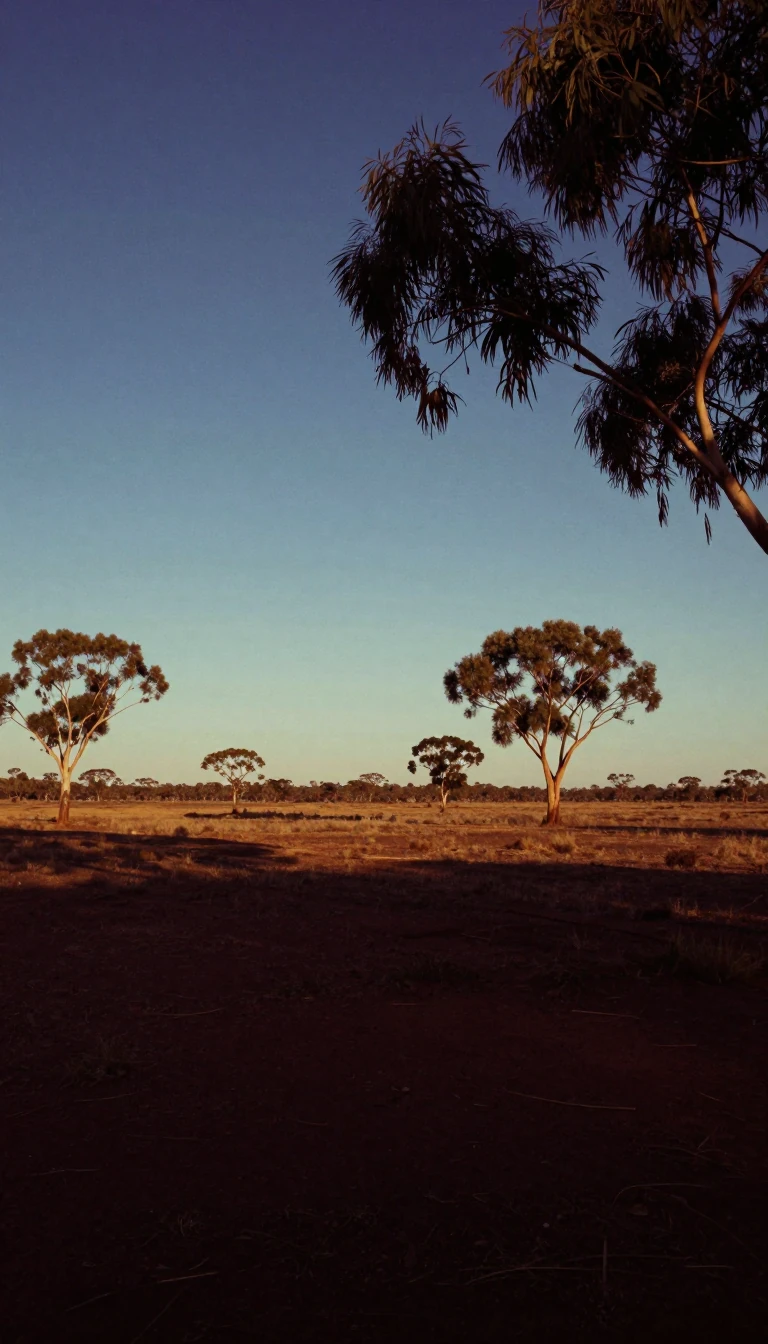
In short: The Darling River is a vast, meandering artery of the Australian outback, stretching over 1,700 miles. Once a vital highway for paddle steamers carrying wool, it now faces severe environmental challenges, including toxic algal blooms, massive fish kills, and the complex consequences of decades of intensive water engineering.
The Darling River system drains a massive 250,000-square-mile basin, rising in the Great Dividing Range and flowing southwest across New South Wales to meet the Murray River at Wentworth. Its character is defined by extreme variability; the river often loses more water to evaporation than it gains from its tributaries, which frequently fail to reach the main stream. This arid landscape, receiving less than 10 inches of rain annually, is split into a western pastoral region and an eastern humid farming zone. The river's gradient is remarkably flat, averaging just one inch per mile, which contributes to its slow, meandering path.
European exploration of the river began in 1828 when Charles Sturt was dispatched by Governor Sir Ralph Darling to investigate the Macquarie River, leading to the discovery of the Darling main stream in 1829. By the late 19th century, the river served as a critical transportation route for pastoralists. However, this era was short-lived as railways superseded waterborne traffic. The 20th century brought a shift toward intensive water management, marked by the Darling River Weirs Act of 1945 and the completion of the Menindee Lakes Storage Scheme in 1960. These projects were designed to provide dependable irrigation and domestic water supplies, but they have fundamentally altered the river's natural flow.
Today, the river faces significant ecological stress. Over-allocation for irrigation, prolonged drought, and pollution have led to declining water quality and catastrophic events, such as the massive fish kills recorded in 2019 and 2023. Critics, including researchers from the Australia Institute, argue that these crises are exacerbated by poor management decisions rather than just environmental conditions. Furthermore, the fragmentation of the river system by weirs and constant low flows has blocked fish passage and destroyed native vegetation like lignum and Black box. The future of this iconic waterway now depends on long-term management strategies that balance human development with the health of the basin.
Opens the Intellect+ feed with this card first. Swipe up for the next one.
Sources
- Summary by Intellect · source: Darling River | Australia, Map, Length, Location, & Facts | Britannica
- Also: Darling River
To cite this card, link to https://intellectplus.co.uk/app/places-darling-river.
How we source, check and correct cards: Editorial standards.
General information, not professional advice. Spotted an error? Flag the card or see corrections and complaints.
Intellect Plus is a visual educational discovery platform for exploring fascinating facts and ideas. Brain Food, Not Brain Rot. What is Intellect Plus?
Related
More in Bodies of water · More in Countries & Cities · Latest · A–Z · All topics
