Why these four remote Pacific islands were named for the unfortunate ones
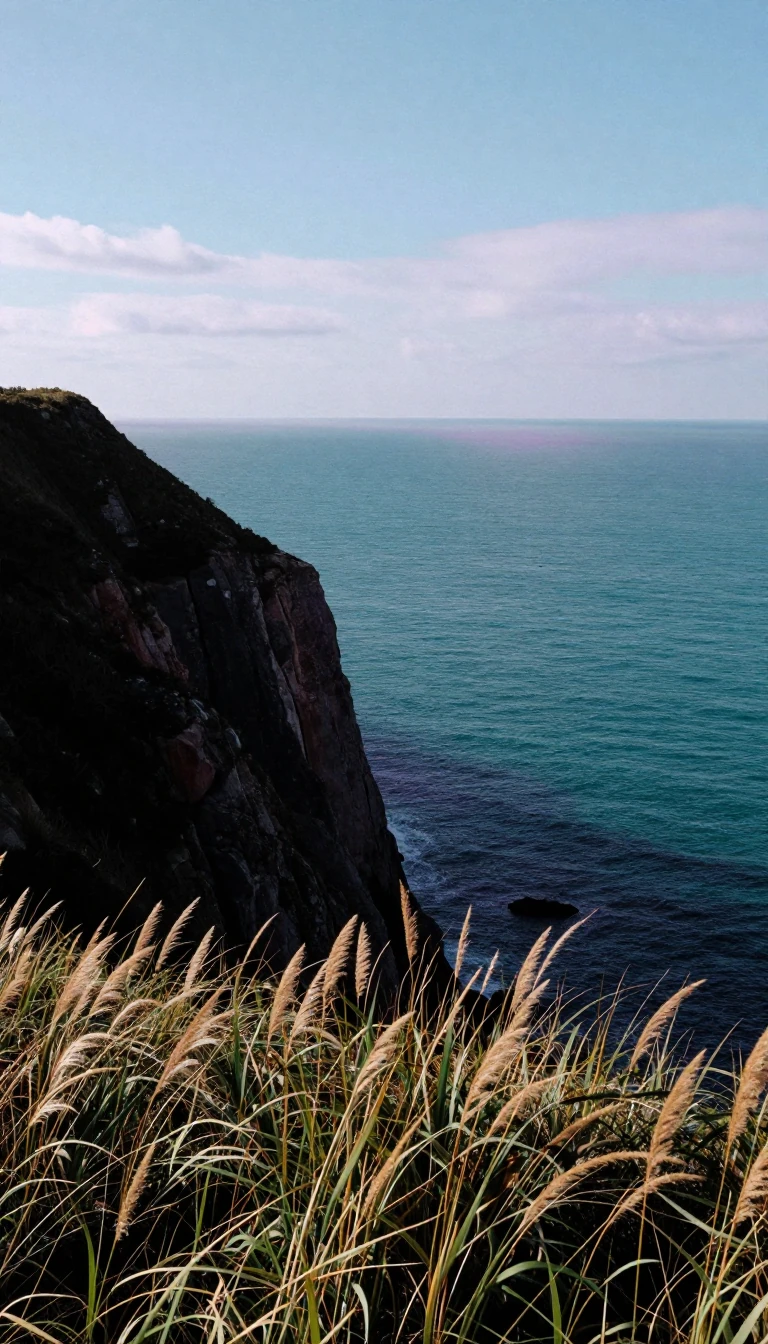
In short: Located 850 kilometres off the Chilean coast, the Desventuradas Islands are a desolate, waterless archipelago. Despite their proximity to South America, they remain a biological outlier, separated by the powerful Humboldt Current. With no permanent human population, these islands serve as a critical, isolated sanctuary for rare marine bird species.
The Desventuradas Islands, or 'Islands of the Unfortunate Ones,' comprise four small oceanic landmasses that have long defied human settlement. Their isolation is absolute; there is no evidence of prehistoric activity by Polynesians or Indigenous peoples of the Americas. While Ferdinand Magellan may have sighted them as early as 1521, the first confirmed discovery is credited to Juan Fernández in 1574. The name itself reflects a historical confusion: while Pedro Sarmiento de Gamboa recorded them as St. Felix and St. Ambor in 1579, the latter was eventually misidentified as Saint Ambrose.
Geographically, the islands are defined by their extreme scarcity. They lack any permanent sources of fresh water, which has precluded civilian habitation. Today, the only human presence is a Chilean Navy detachment stationed on Isla San Félix, which also maintains a 2,000-metre airport. This strategic location has occasionally intersected with global history; in May 1982, the Chilean government permitted an RAF Nimrod R1 to conduct signals reconnaissance from the island during the Falklands War.
Ecologically, the archipelago functions as a distinct world. The Humboldt Current acts as a formidable biogeographic barrier, causing the marine fauna to align more closely with the central and south Pacific than with the nearby South American mainland. The larger islands, San Félix and San Ambrosio, host a unique temperate forest biome and a mosaic of matorral vegetation, including the endemic shrub Sonchus laceratus. Because they provide essential breeding grounds for large populations of Masatierra petrels, BirdLife International has designated the group an Important Bird Area.
The islands' status as Chilean territory is rooted in the principle of uti possidetis iuris, formally documented by Giovanni Ignazio Molina in his 1788 work on the geography of the Kingdom of Chile. Despite their rugged, barren appearance and the incident in 1686 when Captain John Davis struck one of the islands, they remain a vital, if lonely, ecological outpost in the vast Pacific.
Opens the Intellect+ feed with this card first. Swipe up for the next one.
Sources
- Summary by Intellect · source: Desventuradas Islands
- Also: Wikidata — Desventuradas Islands · CC0
To cite this card, link to https://intellectplus.co.uk/app/places-desventuradas-islands.
How we source, check and correct cards: Editorial standards.
General information, not professional advice. Spotted an error? Flag the card or see corrections and complaints.
Intellect Plus is a visual educational discovery platform for exploring fascinating facts and ideas. Brain Food, Not Brain Rot. What is Intellect Plus?
Related
More in Islands · More in Countries & Cities · Latest · A–Z · All topics
