The high-tech illusion of bringing prehistoric giants back to life
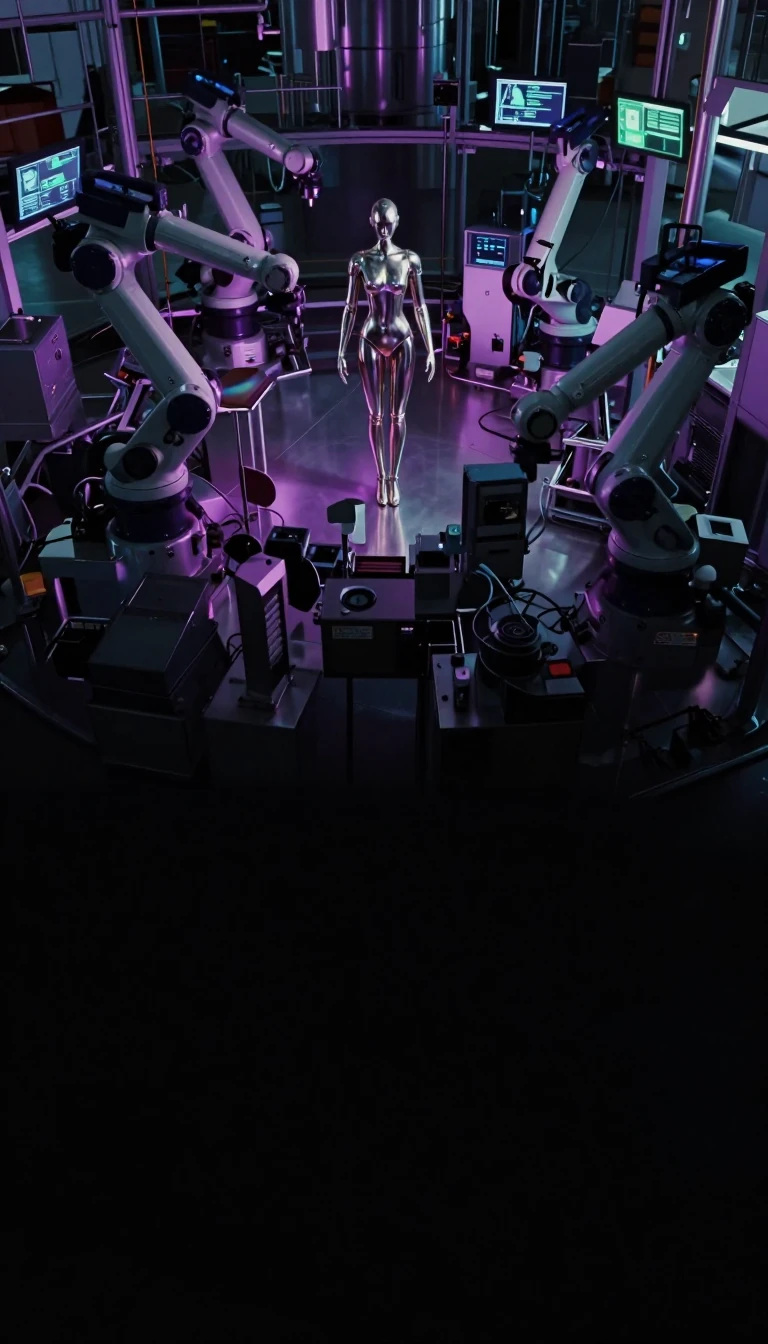
In short: Creating a believable dinosaur requires more than just digital pixels; it demands a marriage of heavy machinery and advanced physics. From metal skeletons powered by electric motors to 3D-printed models made of recyclable materials, the franchise has spent decades perfecting the physical weight and organic movement of extinct creatures.
The technical evolution of dinosaurs in the franchise began with Stan Winston’s animatronics for the 1993 film. These were not mere puppets but complex machines featuring metal skeletons powered by electric motors, covered in molded latex skin. To achieve a sense of organic life, up to 20 puppeteers were often required to operate a single dinosaur. This practical approach was so demanding that Winston noted building an alien queen from the 1986 film 'Aliens' was easier because it lacked the need for muscles, flesh, and real weight.
As technology progressed, Industrial Light & Magic (ILM) pioneered the use of CGI to supplement these physical models. For the original film, they developed a Dinosaur Input Device (DID)—a robotic skeleton with sensors—to capture poses that were then transferred into graphics software. By 2015, 'Jurassic World' introduced subsurface scattering to mimic skin and muscle tissue detail, while also becoming the first dinosaur film to utilize motion capture technology using human actors. However, later entries like 'Fallen Kingdom' (2018) opted against motion capture for certain scenes, finding that physical animatronics provided a superior performance environment for actors.
Modern production has shifted toward sustainability and speed. For 'Jurassic World Dominion' (2022), approximately 18 animatronics were created using recyclable materials, with designs originating from miniature clay maquettes scanned into digital models. In contrast, the upcoming 'Jurassic World Rebirth' (2025) faced a limited six-week design window, leading to a strategy where practical parts like heads and claws were used on set but replaced entirely by CGI in post-production to maintain visual consistency.
The franchise also navigates a complex relationship with science. While it explores the ethics of de-extinction, its primary method—extracting DNA from mosquitoes fossilized in amber—is scientifically implausible. Research indicates that DNA degrades significantly over time; the oldest recovered DNA dates back only about 1 million years, whereas non-avian dinosaurs died out 66 million years ago. Additionally, Toxorhynchites rutilus, which appeared within the initial movie, is a species that avoids consuming blood.
Despite these scientific gaps, the series has had a measurable cultural impact. The original 1993 film was praised for its modern portrayal of dinosaurs and successfully generated significant public interest in the field of paleontology.
Opens the Intellect+ feed with this card first. Swipe up for the next one.
Sources
- Summary by Intellect · source: Dinosaurs in Jurassic Park
- Also: Wikidata — list of extinct genera in Jurassic Park · CC0
To cite this card, link to https://intellectplus.co.uk/app/places-dinosaurs-in-jurassic-park.
How we source, check and correct cards: Editorial standards.
General information, not professional advice. Spotted an error? Flag the card or see corrections and complaints.
Intellect Plus is a visual educational discovery platform for exploring fascinating facts and ideas. Brain Food, Not Brain Rot. What is Intellect Plus?
Related
More in Cities · More in Countries & Cities · Latest · A–Z · All topics
