How a remote orange grove became the most famous urban design in America
In short: When Walt Disney first scouted locations for his amusement park, he bypassed Burbank for a quiet, rural site in Anaheim. What began as a single park surrounded by citrus trees evolved into a massive, complex resort that redefined the business of entertainment and forced the city to grow around it.
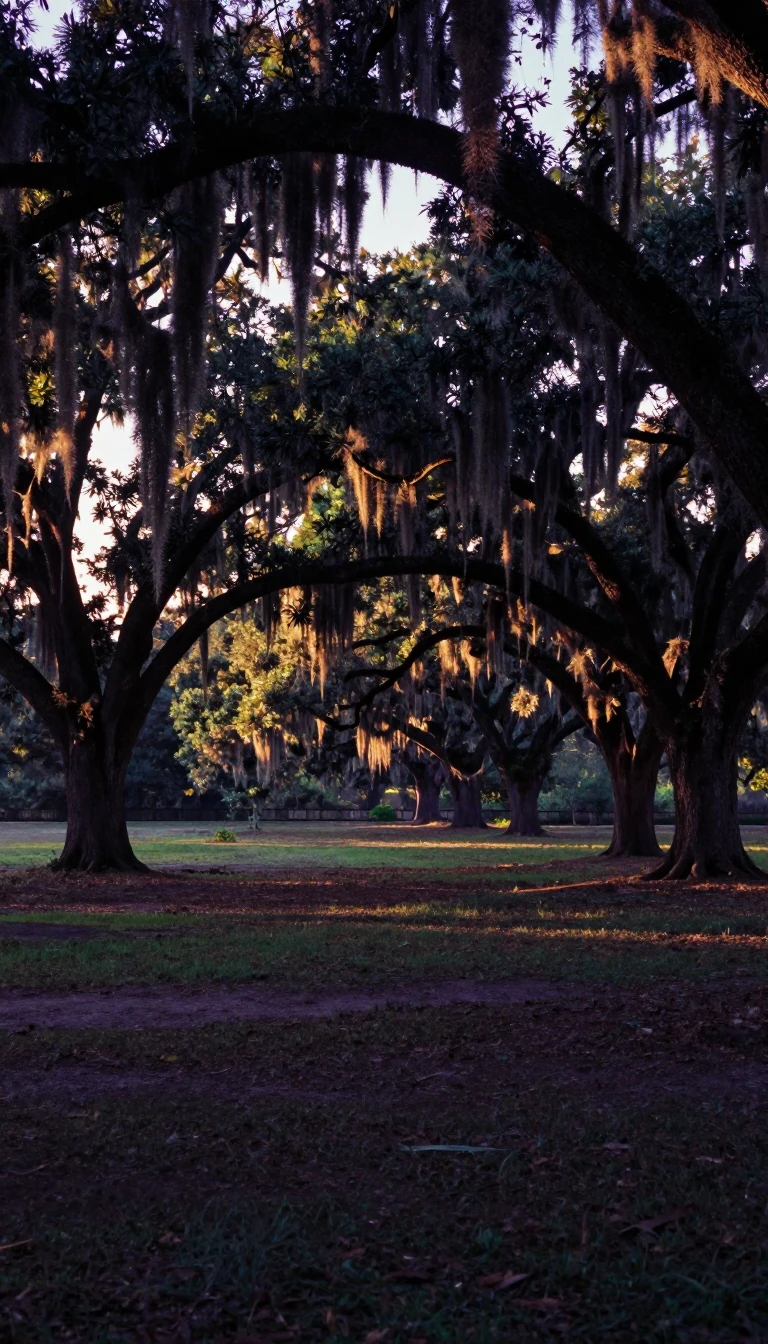
In the 1950s, Walt Disney sought a location for his park that could accommodate his grand vision, eventually settling on Anaheim based on a consultant's recommendation. At the time, the area was covered in orange groves, far from the population centers of Southern California. Because his financial resources were depleted by the park's construction, Disney could not afford to build a hotel himself. He struck a deal with producer Jack Wrather, who built the Disneyland Hotel across the street. This initial lack of capital led to a chaotic development period where independent entrepreneurs built hotels and businesses around the park, creating a neon-lit, tacky atmosphere that Disney had explicitly hoped to avoid.
The resort's evolution into a multi-park, multi-hotel complex mirrored the success of Walt Disney World in Florida. In the 1990s, Disney attempted to replicate this model in Anaheim with the ambitious $3 billion WestCOT project, which was ultimately cancelled in 1995 due to financial pressures from the Euro Disney Resort. Instead, the company pivoted to a more modest $1.4 billion expansion, creating Disney California Adventure on land it already owned. This new park opened in 2001 but initially struggled, as critics felt it lacked the charm and family focus of the original Disneyland. A subsequent $1.1 billion redesign, completed in 2012, successfully revitalized the park's attendance.
Today, the resort spans 489 acres with rights to develop more. The company has moved from being a single-park operator to a master planner of its own environment. The recent approval of the DisneylandForward project in 2024 marks a new chapter, allowing Disney to reshape zoning rules to integrate more theme park space into the existing resort footprint. From its humble beginnings as a single park with a 100-acre parking lot, the resort has become an anchor for Anaheim, constantly expanding its infrastructure, such as the new transportation hubs and parking structures planned for 2026, to manage the millions of guests who visit annually.
Opens the Intellect+ feed with this card first. Swipe up for the next one.
Sources
- Summary by Intellect · source: Disneyland Resort
- Also: Wikidata — Disneyland Resort · CC0
To cite this card, link to https://intellectplus.co.uk/app/places-disneyland-resort.
How we source, check and correct cards: Editorial standards.
General information, not professional advice. Spotted an error? Flag the card or see corrections and complaints.
Intellect Plus is a visual educational discovery platform for exploring fascinating facts and ideas. Brain Food, Not Brain Rot. What is Intellect Plus?
Related
More in US cities · More in Countries & Cities · Latest · A–Z · All topics
