How a nineteenth-century railroad expansion created a modern mountain hub in Colorado
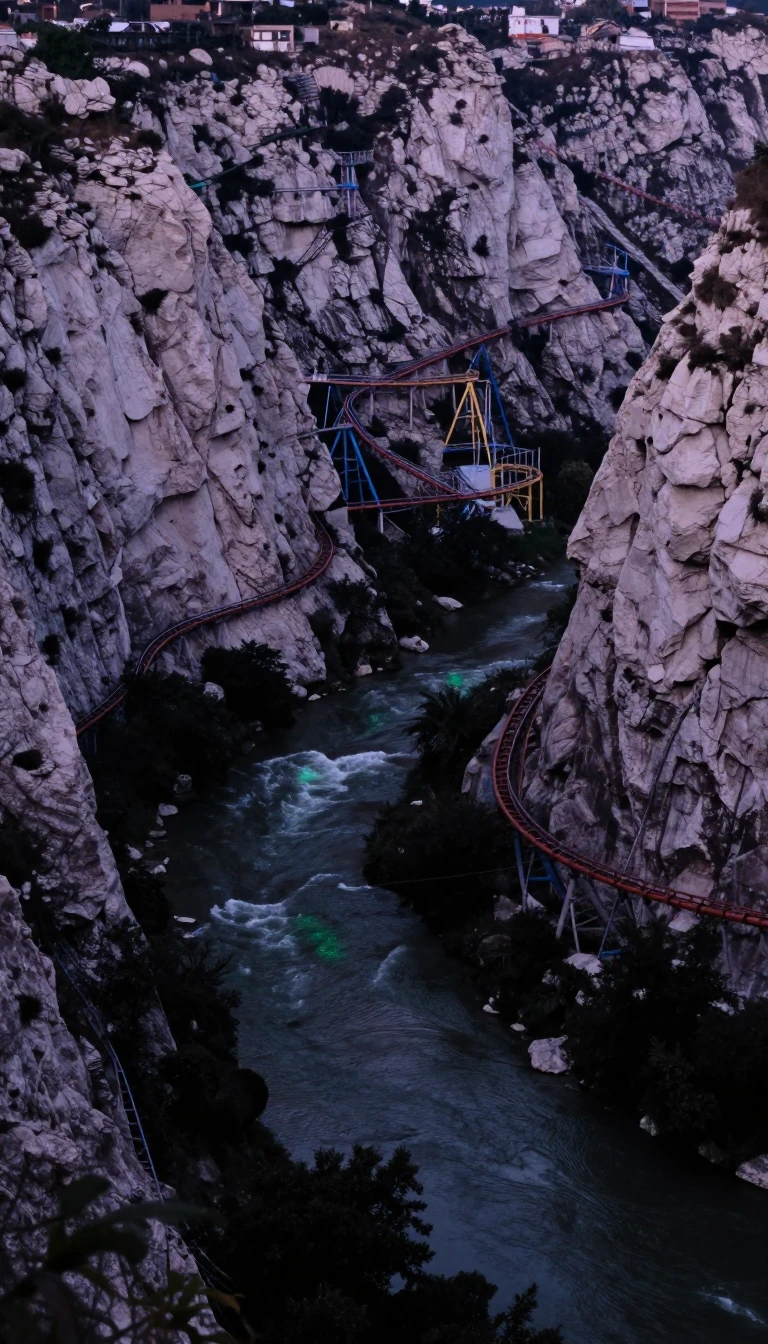
In short: Born from the ambitions of the Denver and Rio Grande Railroad in 1880, Durango transformed from a strategic mining supply outpost into a vibrant cultural center. Today, this high-altitude city balances its industrial heritage with a thriving tourism economy, anchored by historic steam locomotives and deep archaeological roots.
Durango was established between September 1880 and April 1881, specifically designed by the Denver and Rio Grande Railroad to support the San Juan mining district. Alexander C. Hunt, a former Colorado governor, named the settlement after Durango, Mexico, following a scouting mission. The town’s layout was planned by the Durango Trust, a subsidiary company led by railroad associates including William Jackson Palmer, who sought to replicate the organizational success of Colorado Springs. By 1885, the town had already matured into a bustling commercial hub featuring numerous hotels, saloons, and essential trade shops.
The city’s economic trajectory shifted significantly during the mid-twentieth century. As the railroad industry faced challenges from the Great Depression and the rise of the automobile, the Denver and Rio Grande Western Railroad pivoted toward tourism. The Silverton Branch, once a vital freight artery, became a major scenic attraction. This transition helped preserve the region's historic rail equipment, which continues to operate today as the Durango & Silverton Narrow Gauge Railroad. The city also serves as a gateway to ancient history, surrounded by significant sites like Mesa Verde National Park and the Chimney Rock National Monument.
Modern Durango functions as a primary economic engine for southwestern Colorado, supporting a workforce that exceeds 35,000 people across La Plata County. Beyond its role as a transit and commercial center, the city hosts unique annual traditions like the Iron Horse bicycle race, where participants challenge the historic train on its route to Silverton. With Fort Lewis College overlooking the downtown area and a climate classified as mediterranean-influenced humid continental, the city maintains a distinct identity that bridges its rugged mining past with contemporary academic and recreational life.
Opens the Intellect+ feed with this card first. Swipe up for the next one.
Sources
- Summary by Intellect · source: Durango, Colorado
- Also: Wikidata — Durango · CC0
To cite this card, link to https://intellectplus.co.uk/app/places-durango-colorado.
How we source, check and correct cards: Editorial standards.
General information, not professional advice. Spotted an error? Flag the card or see corrections and complaints.
Intellect Plus is a visual educational discovery platform for exploring fascinating facts and ideas. Brain Food, Not Brain Rot. What is Intellect Plus?
Related
More in US cities · More in Countries & Cities · Latest · A–Z · All topics
