Djenné: The ancient Malian city built from the earth and defined by its floods
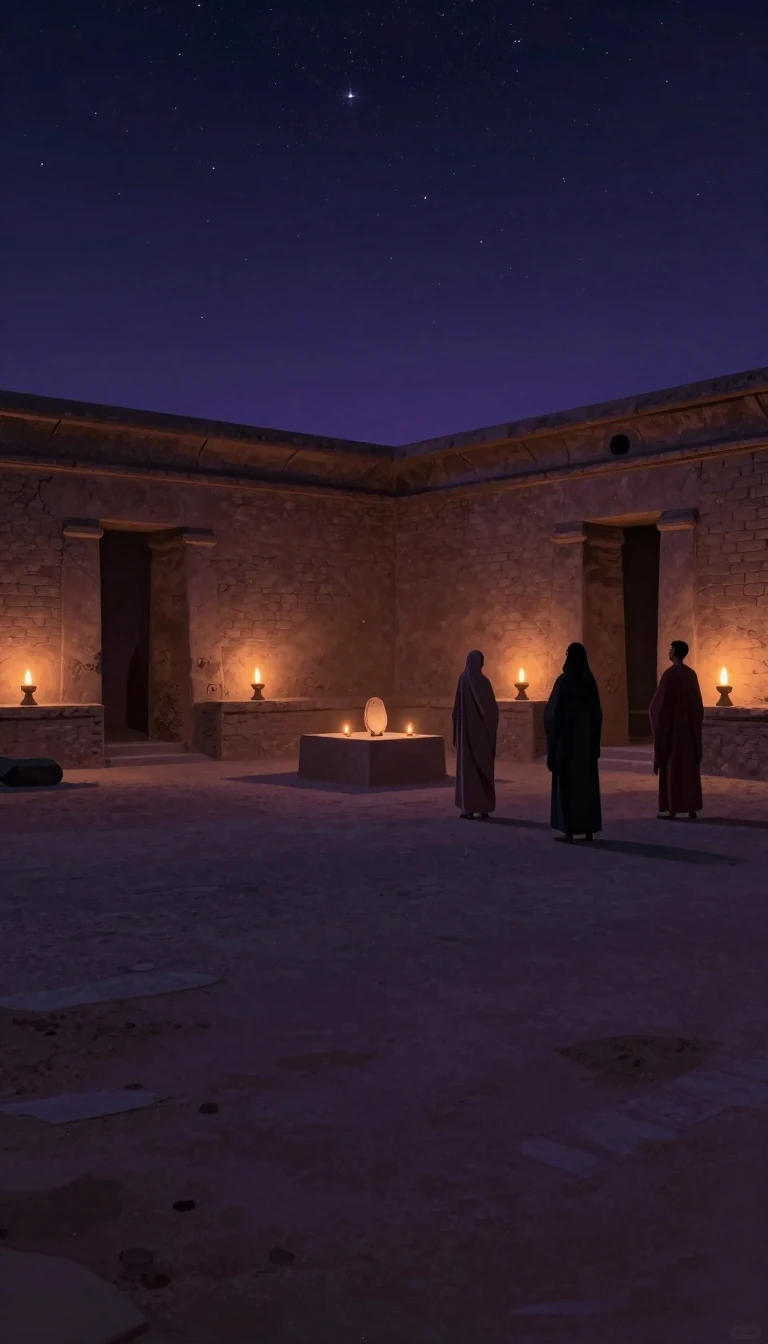
In short: Inhabited since 250 B.C., Djenné stands as a masterpiece of earthen architecture in sub-Saharan Africa. Located on a floodplain in Mali, the town transforms into an island during the annual rise of the Niger and Bani rivers, preserving a unique urban fabric that has survived for over two millennia.
Djenné is a historic trading hub and a former center for the propagation of Islam. Its significance is tied to the trans-Saharan gold trade, linking it to the prosperity of Timbuktu between the 15th and 16th centuries. The town is part of a serial UNESCO World Heritage property that includes the ancient site of Djenné-Djeno, which provides evidence of a pre-Islamic civilization featuring circular and rectangular dwellings constructed from traditional mud bricks known as djenné ferey.
The architecture of the modern town is renowned for its verticality, buttressed facades, and intricate earthen houses. The most iconic structure is the Great Mosque, a monumental religious site rebuilt in its current form between 1906 and 1907. Construction and maintenance of these earthen buildings are traditionally managed by the Barey Corporation, a guild of masons who pass their specialized techniques down through generations. This reliance on earth as a primary building material remains a defining feature of the town's authenticity.
The town's geography is dictated by the Inland Niger Delta. During the flood season, which typically begins in July and peaks in October, Djenné is surrounded by water and accessible only by causeways. This seasonal cycle is vital to the region's agriculture, though it has faced challenges from environmental changes and infrastructure projects like the Talo Dam, which was constructed upstream in 2006. Today, the town faces modern pressures, including urbanization and the introduction of non-traditional materials like cement, which threaten the aesthetic integrity of its historic earthen fabric.
Opens the Intellect+ feed with this card first. Swipe up for the next one.
Sources
- Summary by Intellect · source: Djenne | Mali, Map, History, & Facts | Britannica
- Also: Old Towns of Djenné;
- Also: Djenné
To cite this card, link to https://intellectplus.co.uk/app/places-djenn.
How we source, check and correct cards: Editorial standards.
General information, not professional advice. Spotted an error? Flag the card or see corrections and complaints.
Intellect Plus is a visual educational discovery platform for exploring fascinating facts and ideas. Brain Food, Not Brain Rot. What is Intellect Plus?
Related
More in Africa · More in Countries & Cities · Latest · A–Z · All topics
