How Mali’s ancient mud-brick city balances historic preservation with modern life
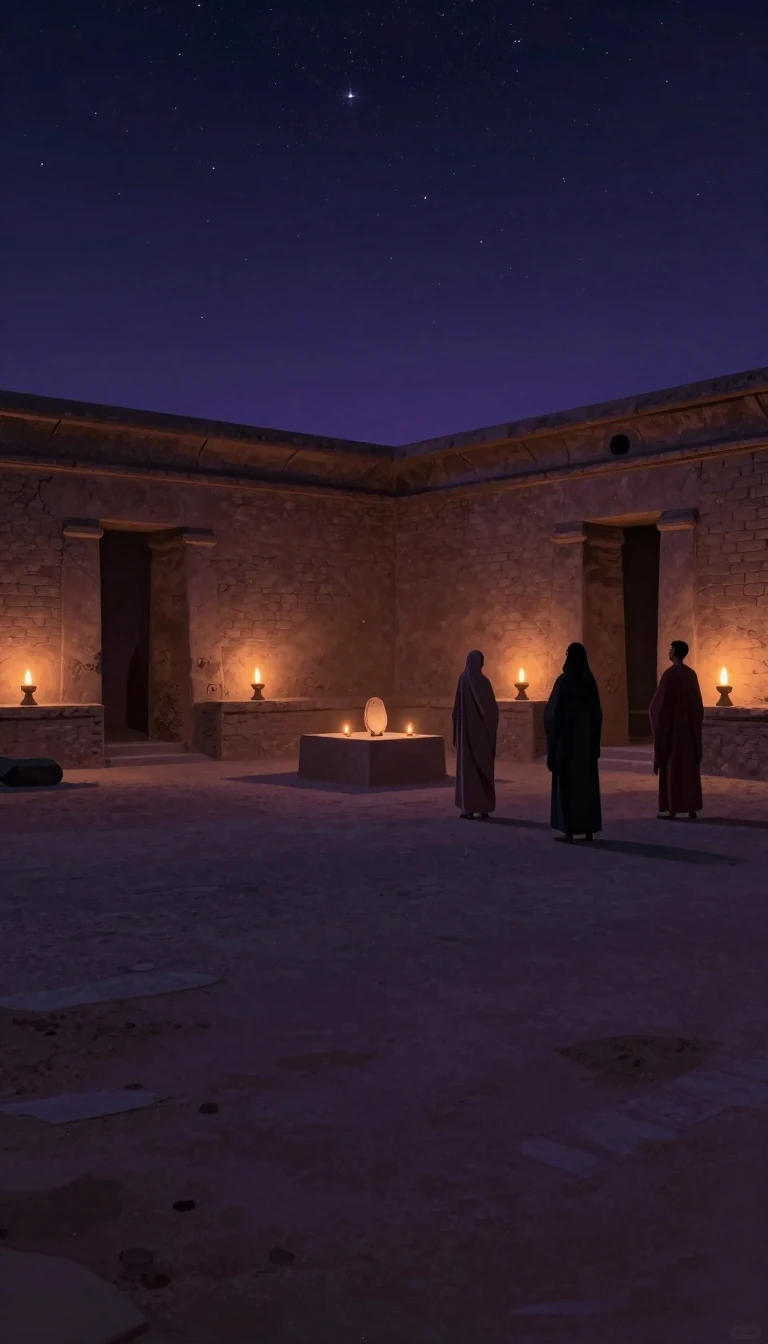
In short: Inhabited since 250 B.C., the Old Towns of Djenné represent a unique architectural marvel built on hillocks to survive seasonal floods. While this UNESCO World Heritage site remains a testament to trans-Saharan trade and Islamic history, the modern challenge lies in reconciling traditional adobe construction with contemporary urban development needs.
The Old Towns of Djenné, inscribed by UNESCO in 1988, comprise four distinct archaeological sites: Djenné-Djeno, Hambarkétolo, Kaniana, and Tonomba. Historically, the city served as a vital hub for the trans-Saharan gold trade and became a major center for the spread of Islam during the 15th and 16th centuries. Its enduring architectural legacy includes nearly 2,000 traditional houses, which are elevated on mounds known as toguere to protect residents from the region's seasonal flooding.
The path to international recognition was complex. Mali’s initial 1979 nomination faced deferral after the advisory committee, ICOMOS, expressed concerns regarding anarchic urbanization. It was only after broadening the scope to include both the town and its surrounding archaeological reserves that the site gained approval. UNESCO recognized the area under two criteria: as an exceptional testimony to a vanished civilization and as an outstanding example of an architectural ensemble illustrating a significant stage in human history.
Since 2005, the World Heritage Committee has raised alarms regarding the site's conservation. While acknowledging efforts to restore adobe structures and improve sanitation, reports have highlighted a lack of comprehensive development planning. Tensions have emerged between international preservation goals and the local population, who often feel constrained by strict regulations. Residents have expressed frustration over the inability to adapt traditional housing to modern family needs or utilize contemporary materials, exacerbated by a lack of local technical and financial resources.
To address these pressures, the Committee has repeatedly urged the Malian government to collaborate with international bodies like ICOMOS and ICCROM. Recommendations have focused on creating robust management plans and mapping archaeological boundaries to prevent further degradation. The ongoing struggle highlights the difficulty of maintaining a living, evolving city that is simultaneously treated as a static, protected archaeological treasure.
Opens the Intellect+ feed with this card first. Swipe up for the next one.
Sources
- Summary by Intellect · source: Old Towns of Djenné
- Also: Wikidata — Old Towns of Djenné · CC0
To cite this card, link to https://intellectplus.co.uk/app/places-old-towns-of-djenn.
How we source, check and correct cards: Editorial standards.
General information, not professional advice. Spotted an error? Flag the card or see corrections and complaints.
Intellect Plus is a visual educational discovery platform for exploring fascinating facts and ideas. Brain Food, Not Brain Rot. What is Intellect Plus?
Related
More in World Heritage Sites · More in Countries & Cities · Latest · A–Z · All topics
