Why does the Church celebrate the 'falling asleep' of Mary instead of her death?
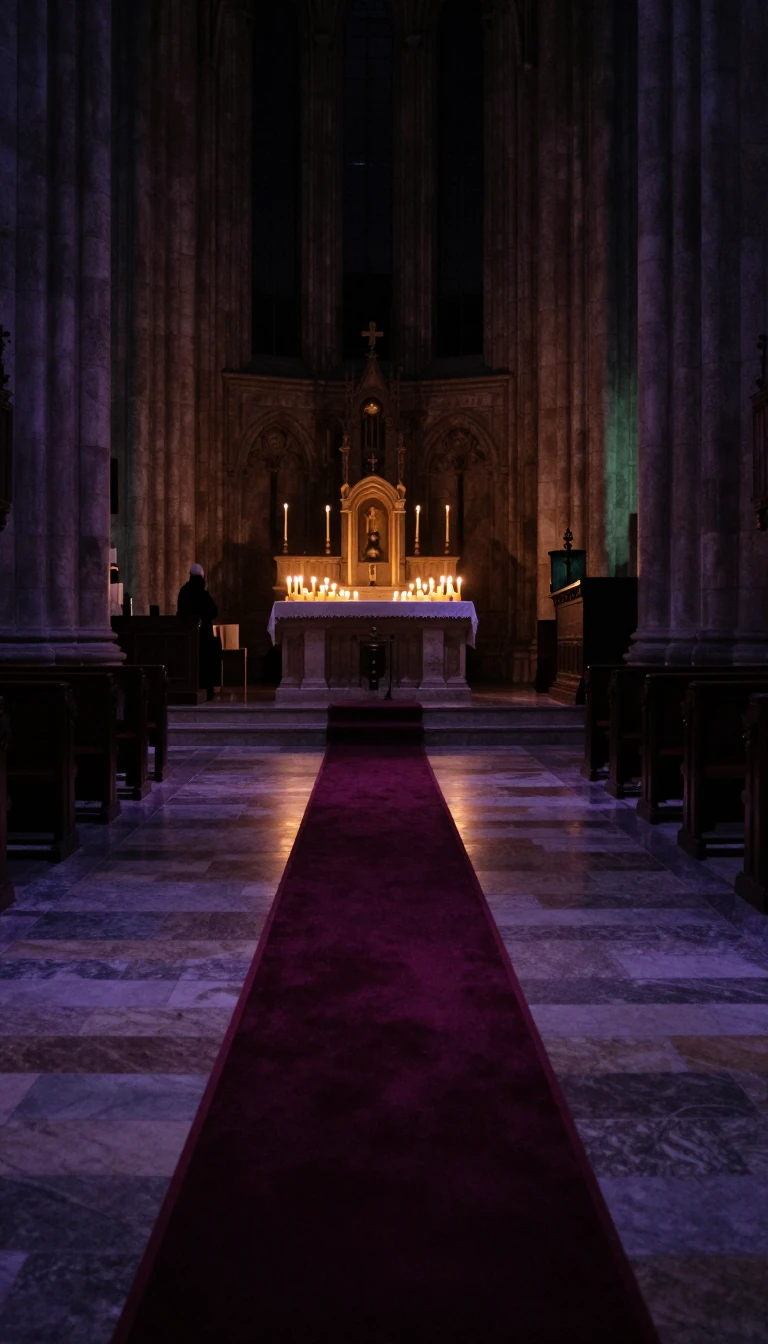
In short: The Dormition of the Mother of God marks the end of Mary’s life, yet the term itself—meaning sleep—reflects a profound theological conviction. While the New Testament remains silent on her final days, centuries of tradition and apocryphal accounts have shaped a feast that bridges the gap between history and mystery.
The Dormition, observed on August 15 by many Eastern churches, celebrates the death and subsequent bodily assumption of Mary into heaven. The term 'dormition' emphasizes that her passing was peaceful and free from suffering. Although canonical scriptures provide no record of these events, the belief is deeply rooted in Orthodox sacred tradition, which posits that Mary died a natural death, her soul was received by Christ, and her body was resurrected on the third day.
Historical evidence for the feast is complex. While the first century is silent, anonymous narratives like the Book of Mary’s Repose began circulating by the third century. Archaeological findings, such as a sarcophagus in Zaragoza dated to c. 330, suggest the tradition was established by the fourth century. Later, Emperor Maurice (582–602) officially set the feast date to August 15, a practice later adopted by Rome under Pope Sergius I.
Theological interpretations have evolved significantly. While Roman Catholic teaching historically aligned with the Orthodox view, the 1950 dogma of the Assumption, defined by Pope Pius XII, focuses on her bodily entry into heaven while leaving the question of her death open. However, Pope John Paul II later affirmed in 1997 that Mary likely experienced a natural death, mirroring the experience of her Son to fully share in the redemptive work of the Resurrection.
The feast is preceded by the strict two-week Dormition Fast, which prohibits meat, dairy, fish, wine, and oil. In some traditions, the Rite of the Burial of the Theotokos is performed, mirroring the burial service of Christ. Byzantine iconography further illustrates this theology, often depicting Christ receiving Mary’s soul, a motif that scholars suggest was influenced by accounts of the Egyptian Desert Fathers.
Opens the Intellect+ feed with this card first. Swipe up for the next one.
Sources
- Summary by Intellect · source: Dormition of the Mother of God
To cite this card, link to https://intellectplus.co.uk/app/places-dormition-of-the-mother-of-god.
How we source, check and correct cards: Editorial standards.
General information, not professional advice. Spotted an error? Flag the card or see corrections and complaints.
Intellect Plus is a visual educational discovery platform for exploring fascinating facts and ideas. Brain Food, Not Brain Rot. What is Intellect Plus?
Related
More in World Heritage Sites · More in Countries & Cities · Latest · A–Z · All topics
