How a Polish port city became a global icon of modernist urban design
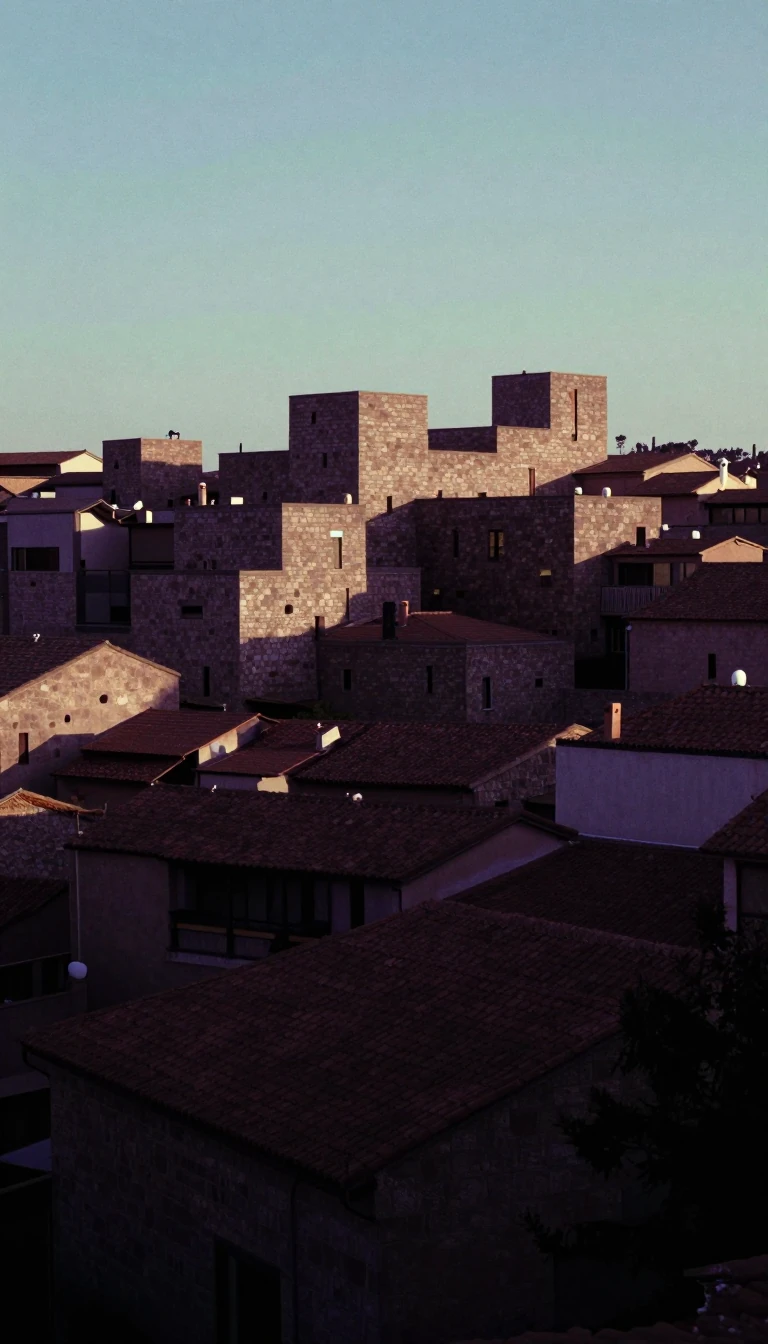
In short: Gdynia, a city built from scratch in the 1920s and 1930s, stands as a rare, intact example of modernist planning. Recently designated a UNESCO World Heritage Site, this coastal hub showcases how architectural ideals adapted to the rapid growth of a maritime port, earning it comparisons to Tel Aviv.
The central district of Gdynia, known as Śródmieście, represents a unique convergence of European town planning and modernist architecture. Developed primarily between the 1920s and 1930s, the city core was designed by architects including Adam Kuncewicz and Roman Feliński. Unlike many other European urban centers, Gdynia’s historic heart survived the destruction of the Second World War largely unscathed, preserving its original character.
The city's architectural significance was formally recognized in 2015 when its layout was named a historical monument of Poland. Following its inclusion on the UNESCO tentative list in 2019, the district achieved full status as Poland's 18th UNESCO World Heritage Site in July 2026. This designation highlights the city's role as a living laboratory where modernist principles were tested against the practical demands of a bustling port and a rapidly expanding population.
Modernism in Gdynia is not merely a static relic; it remains a subject of active study and urban evolution. Since 2007, an annual international conference has explored the city's design legacy, and the Gdynia Development Agency maintains a dedicated trail for visitors. Recent initiatives, such as the KLIMATyczne Centrum project launched at the end of 2021, demonstrate a commitment to modernizing the district through green infrastructure, traffic reduction, and the revitalization of historic streets like Świętojańska, the city's most representative thoroughfare.
The cultural resonance of this architecture extends beyond Poland. An exhibition curated by Dr. Artur Tanikowski, titled Gdynia – Tel Aviv, highlighted the striking similarities between these two 'white cities' by the sea. By examining their shared architectural roots and the centennial of the Bauhaus school, the project underscored how Gdynia’s modernist identity serves as a bridge between historical planning ideals and the contemporary needs of a modern, sustainable city.
Opens the Intellect+ feed with this card first. Swipe up for the next one.
Sources
- Summary by Intellect · source: Downtown, Gdynia
To cite this card, link to https://intellectplus.co.uk/app/places-downtown-gdynia.
How we source, check and correct cards: Editorial standards.
General information, not professional advice. Spotted an error? Flag the card or see corrections and complaints.
Intellect Plus is a visual educational discovery platform for exploring fascinating facts and ideas. Brain Food, Not Brain Rot. What is Intellect Plus?
Related
More in World Heritage Sites · More in Countries & Cities · Latest · A–Z · All topics
