Why Dougga is the best-preserved Roman small town in all of North Africa
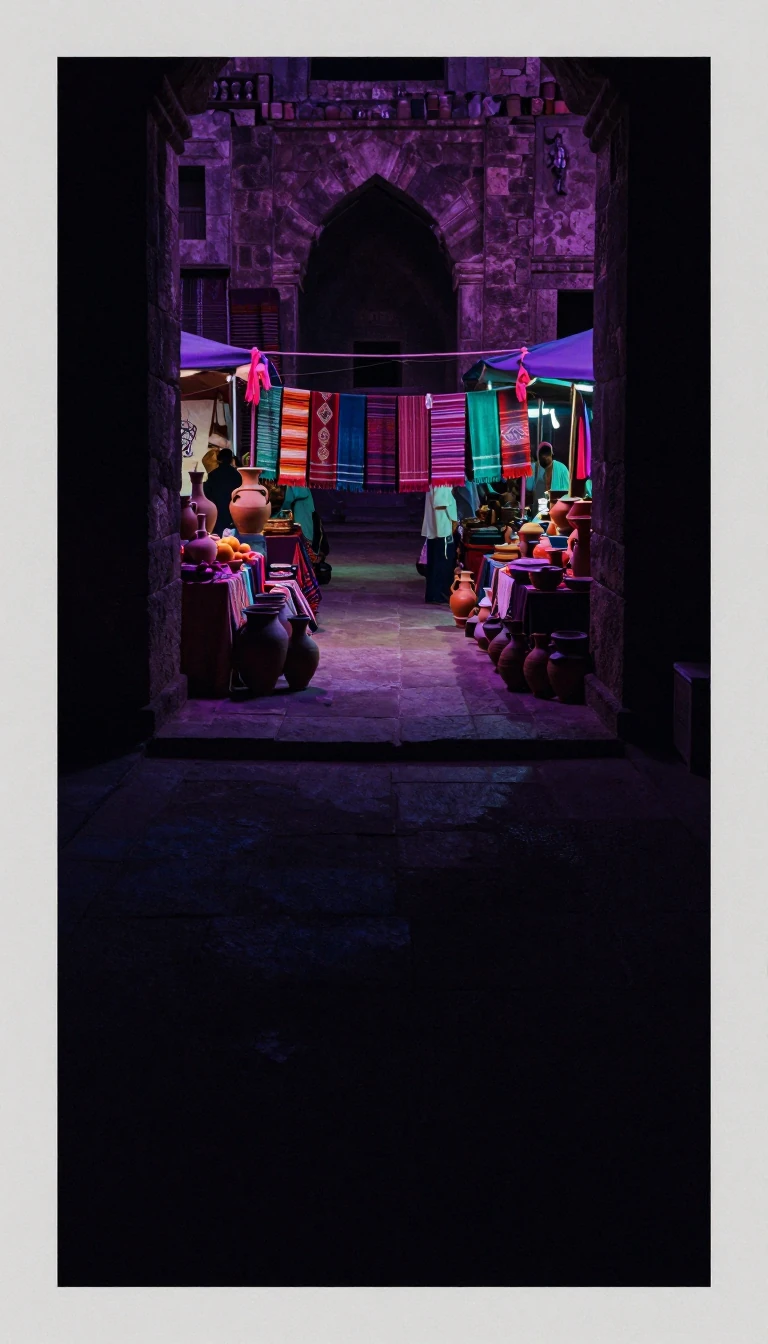
In short: Perched on a defensible Tunisian plateau, Dougga escaped the urban sprawl that swallowed other ancient sites. This UNESCO World Heritage site reveals a rare, layered history where Numidian, Punic, and Roman worlds collided, leaving behind a remarkably intact landscape of temples, theaters, and royal mausoleums that defy typical Roman urban planning.
Dougga, known in the Libyco-Berber alphabet as TBGG, sits on a craggy plateau near modern-day Téboursouk. Its name likely derives from a Berber root meaning to protect, reflecting its strategic, easily defensible position. While often associated with its Roman identity, the site has been occupied since at least the 6th century BC. Archaeological evidence, including a necropolis with dolmens dating back to at least 2000 BC, confirms that the area was a significant human settlement long before Roman colonists arrived.
The city’s institutional history is uniquely complex. Following the Roman conquest, Dougga existed for two centuries as a dual entity: a city of peregrini and a separate pagus of Roman citizens. These communities eventually fused into a single municipality in AD 205 under Septimius Severus. This transition, marked by the title liberum, remains a subject of academic debate. Some scholars interpret this as a specific legal privilege, while others, such as Veyne, argue it was an abstract expression of dignity and liberty that allowed the city to flatter itself after waiting years for municipal status.
Today, Dougga is celebrated for its exceptional state of preservation, largely because it remained protected from modern urban encroachment. Unlike Carthage, which was repeatedly pillaged and rebuilt, Dougga’s Roman-era monuments—including the Capitol, the theater, and the Mausoleum of Ateban—remain largely in situ. The site’s layout is a fascinating departure from standard Roman grid patterns, as builders were forced to adapt to the challenging, uneven terrain. Recent excavations have revolutionized our understanding of this period, proving that the Roman and pre-Roman settlements were not separate, but rather overlapped, creating a compact, continuous urban history that spans centuries.
Opens the Intellect+ feed with this card first. Swipe up for the next one.
Sources
- Summary by Intellect · source: Dougga
- Also: Wikidata — Dougga · CC0
- Also: Wikidata — Dougga · CC0
To cite this card, link to https://intellectplus.co.uk/app/places-dougga.
How we source, check and correct cards: Editorial standards.
General information, not professional advice. Spotted an error? Flag the card or see corrections and complaints.
Intellect Plus is a visual educational discovery platform for exploring fascinating facts and ideas. Brain Food, Not Brain Rot. What is Intellect Plus?
Related
More in World Heritage Sites · More in Countries & Cities · Latest · A–Z · All topics
