How a Swedish royal residence survived centuries of neglect, fire, and political upheaval
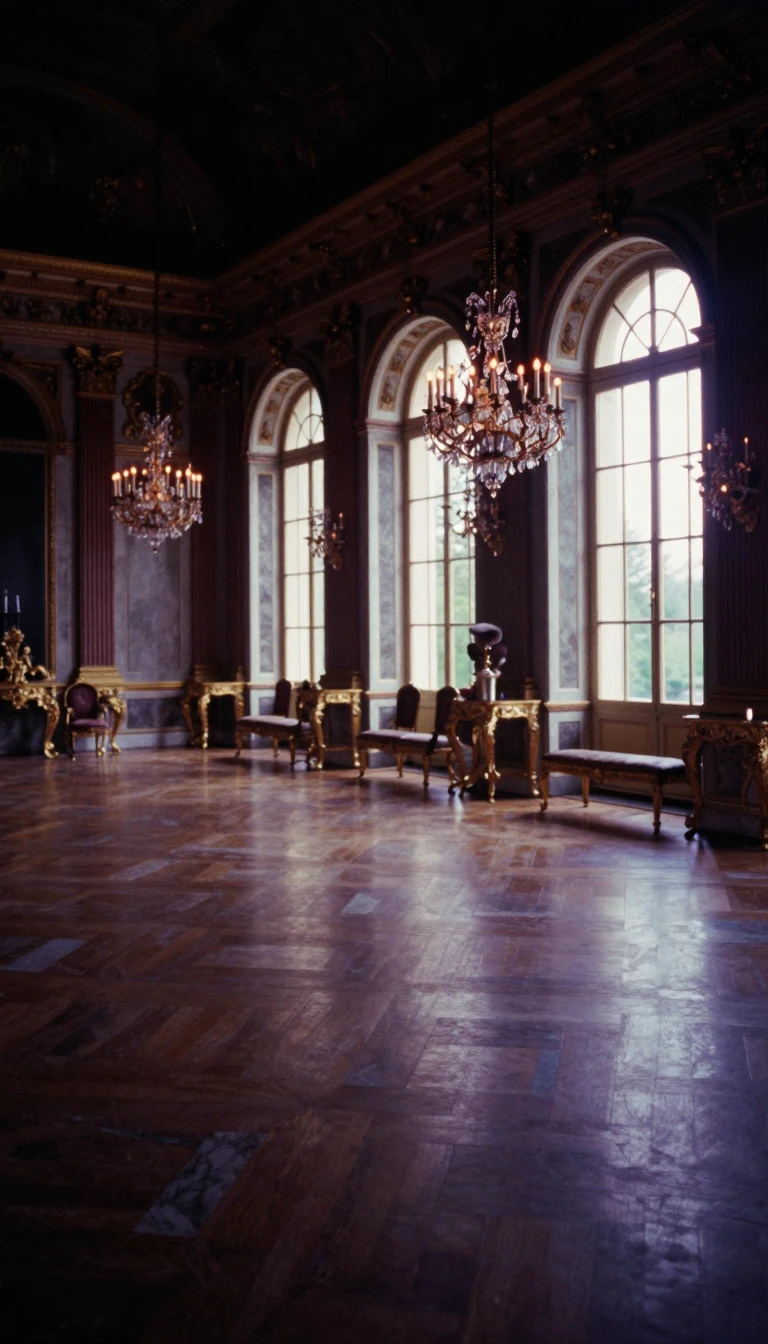
In short: Drottningholm Palace, a UNESCO World Heritage site on the island of Lovön, serves as the modern home for Sweden's royal family. Yet this architectural treasure has endured a turbulent history, shifting from a grand 17th-century power symbol to a decaying relic and finally to a meticulously restored national icon.
Originally commissioned by Queen Dowager Hedwig Eleonora in 1661, the palace was designed by Nicodemus Tessin the Elder to project Swedish authority following the Peace of Westphalia. After a devastating fire, reconstruction began in 1662, with the architect's son, Nicodemus Tessin the Younger, later completing the ornate interiors. The site became a hub of 18th-century court life, particularly under Queen Louisa Ulrika, who introduced French rococo aesthetics and rebuilt the palace theatre after a 1762 fire.
The palace's fortunes fluctuated wildly. While King Gustav III used it for elaborate masquerades and tournaments, the 19th century brought abandonment. King Charles XIV John viewed the estate as a symbol of a bygone dynasty, allowing the buildings to deteriorate while auctioning off their contents. It was not until the early 20th century that a major restoration effort, beginning in 1907, sought to return the palace to its 18th-century splendor. This period also saw the installation of modern infrastructure, including electricity and heating.
Today, the Royal Domain of Drottningholm is recognized for its unique collection of structures, including the Chinese Pavilion and the 18th-century theatre, which remains operational with its original stage machinery. The gardens reflect a blend of styles, featuring a 17th-century Baroque layout restored in the mid-20th century and an English-style landscape park commissioned by Gustav III. Since 1981, King Carl XVI Gustaf and Queen Silvia have resided in the southern wing, maintaining the palace's legacy as a living royal home.
The site remains a subject of ongoing preservation. Recent projects have included exterior wall restoration and the maintenance of a swimming pavilion gifted to the Queen in 1993. By balancing its role as a public museum and a private residence, Drottningholm continues to serve as a primary example of northern European royal architecture, reflecting centuries of changing tastes, political shifts, and dedicated conservation efforts.
Opens the Intellect+ feed with this card first. Swipe up for the next one.
Sources
- Summary by Intellect · source: Drottningholm Palace
- Also: Wikidata — Drottningholm Palace · CC0
- Also: Wikidata — Drottningholm Palace Theatre · CC0
To cite this card, link to https://intellectplus.co.uk/app/places-drottningholm-palace.
How we source, check and correct cards: Editorial standards.
General information, not professional advice. Spotted an error? Flag the card or see corrections and complaints.
Intellect Plus is a visual educational discovery platform for exploring fascinating facts and ideas. Brain Food, Not Brain Rot. What is Intellect Plus?
Related
More in World Heritage Sites · More in Countries & Cities · Latest · A–Z · All topics
