Why the Western Allies refused to recognize East Berlin as a sovereign capital city
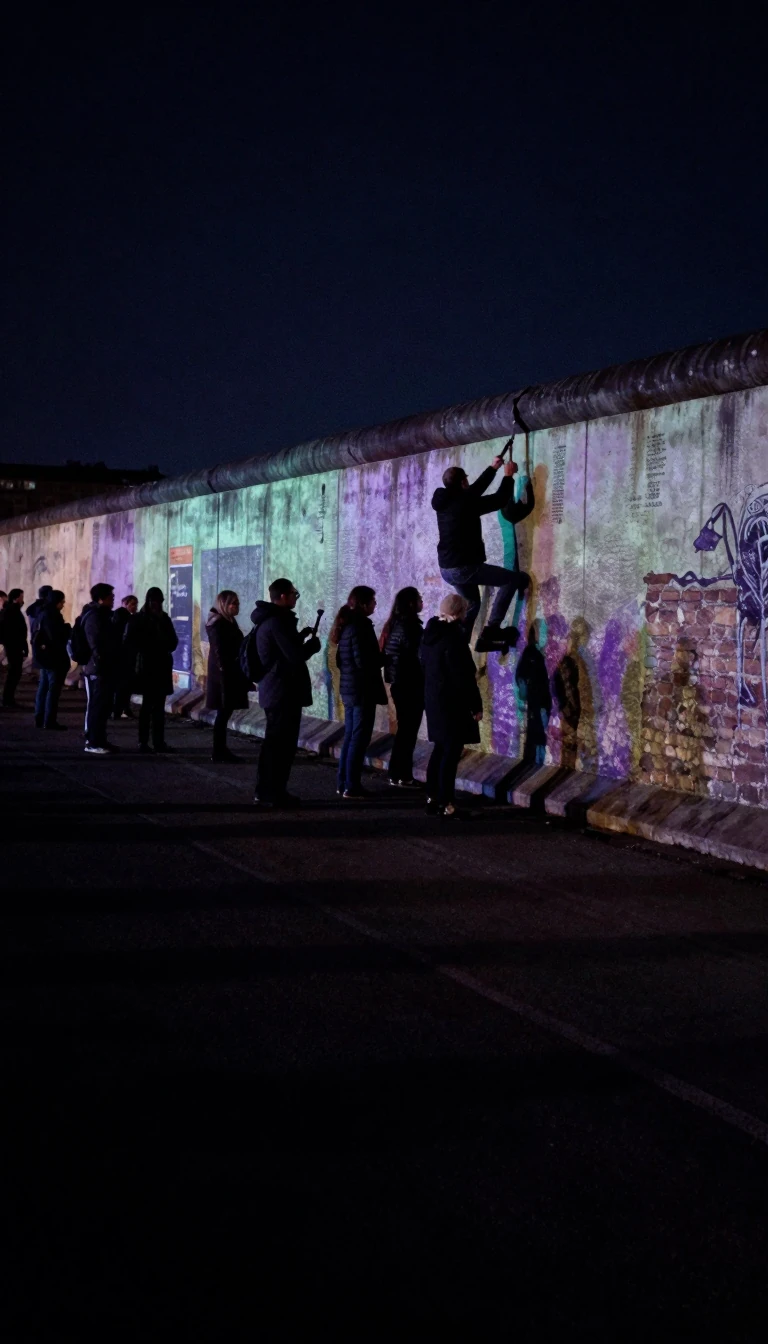
In short: For decades, East Berlin existed in a geopolitical limbo. While the German Democratic Republic claimed it as their capital, the Western Allies maintained that only the Soviet Union held authority there. This friction defined the city's unique architecture, its restricted borders, and the enduring cultural divide that persists long after reunification.
Following the 1944 London Protocol and the 1945 Potsdam Conference, Berlin was divided into occupation sectors. By 1948, the common administration of the city collapsed when the Soviet representative departed the Allied Kommandatura. When the German Democratic Republic (GDR) was established in 1949, it declared East Berlin its capital, a status recognized by communist nations but never formally acknowledged by the United States, United Kingdom, or France. These Western powers viewed the city through the lens of its occupation status, treating the Soviet Union as the sole authority responsible for the eastern sector.
The physical and economic reality of East Berlin was shaped by this isolation. To stem a massive population exodus—which saw over 1,000 people fleeing daily by 1960—the government erected the Berlin Wall in 1961. The city’s economy struggled under the weight of war reparations and a lack of Marshall Plan assistance, leading to significant productivity gaps compared to the West. Even after the 1990 reunification, these disparities necessitated massive financial transfers, including a 'solidarity surcharge' tax, to modernize infrastructure and bring services up to Western standards.
Today, the legacy of this division remains visible in the city's distinct urban landscape. Socialist Classicism architecture and surviving prewar façades create a unique aesthetic, while GDR-era icons like the Ampelmännchen traffic signal have become cultural symbols. Despite the formal end of East Berlin in 1990, social researchers note that differences between the former East and West persist, often manifesting in stereotypes and the use of colloquial terms like 'Ossi' and 'Wessi' to describe residents from either side of the former divide.
Opens the Intellect+ feed with this card first. Swipe up for the next one.
Sources
- Summary by Intellect · source: East Berlin
- Also: Wikidata — East Berlin · CC0
- Also: Wikidata — East Berlin · CC0
To cite this card, link to https://intellectplus.co.uk/app/places-east-berlin.
How we source, check and correct cards: Editorial standards.
General information, not professional advice. Spotted an error? Flag the card or see corrections and complaints.
Intellect Plus is a visual educational discovery platform for exploring fascinating facts and ideas. Brain Food, Not Brain Rot. What is Intellect Plus?
Related
More in Major world cities · More in Countries & Cities · Latest · A–Z · All topics
