How a resource-poor island transformed into a global economic powerhouse in decades
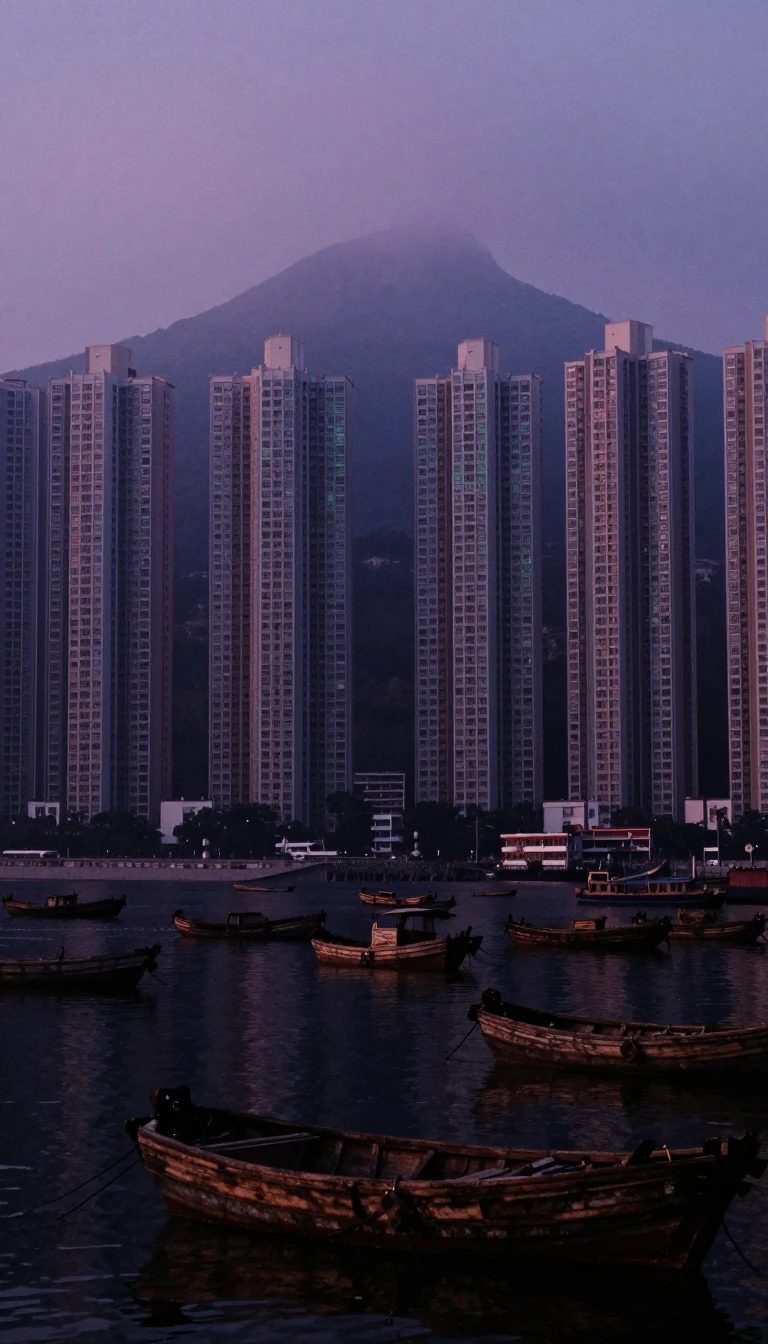
In short: Singapore’s rapid evolution from a developing nation to a high-income hub is often called a miracle. With no natural resources and limited land, it leveraged strategic trade, human capital, and dirigiste policies to become one of the world's most competitive economies, consistently attracting massive foreign investment and global talent.
When Singapore gained independence in 1965, it faced severe poverty, high unemployment, and a lack of basic resources. Under Prime Minister Lee Kuan Yew, the government implemented aggressive industrialization and infrastructure projects. By prioritizing human capital and creating an investment-friendly climate, the nation successfully attracted multinational corporations, which by 2001 accounted for 85% of manufactured exports. This transformation was fueled by high savings rates and strategic state-led development through entities like Temasek Holdings.
The nation’s economic strategy relies heavily on entrepôt trade, refining raw goods for re-export. Its port remains the busiest transshipment hub globally, and its trade-to-GDP ratio reached 320% by 2020. Beyond manufacturing, Singapore has established itself as a premier financial center, often dubbed the Switzerland of Asia. It manages wealth for global clients and has recently expanded into digital banking and gold clearing systems to maintain its competitive edge in the 21st century.
Despite its success, Singapore faces ongoing constraints. It imports 90% of its food and relies on agrotechnology to ensure security. The labor market is heavily dependent on a skilled workforce, including expatriates, to sustain sectors like biotechnology and finance. To navigate global volatility, such as the 2008 financial crisis or the COVID-19 pandemic, the government actively manages immigration and promotes innovation. Small and medium-sized enterprises remain the backbone of the economy, contributing 48% of nominal value-added in 2022.
Singapore’s model is unique for its blend of free-market openness and dirigiste state involvement. While state-owned enterprises operate on commercial terms, the government acts as a catalyst for growth, constantly retraining its workforce to stay ahead of rising costs. By focusing on high-value services and regionalization strategies, Singapore continues to adapt its economic structure to remain a vital node in the global trade network.
Opens the Intellect+ feed with this card first. Swipe up for the next one.
Sources
- Summary by Intellect · source: Economy of Singapore
- Also: Wikidata — economy of Singapore · CC0
To cite this card, link to https://intellectplus.co.uk/app/places-economy-of-singapore.
How we source, check and correct cards: Editorial standards.
General information, not professional advice. Spotted an error? Flag the card or see corrections and complaints.
Intellect Plus is a visual educational discovery platform for exploring fascinating facts and ideas. Brain Food, Not Brain Rot. What is Intellect Plus?
Related
More in Cities · More in Countries & Cities · Latest · A–Z · All topics
