Epirus: The rugged Greek frontier that birthed the concept of a Pyrrhic victory.
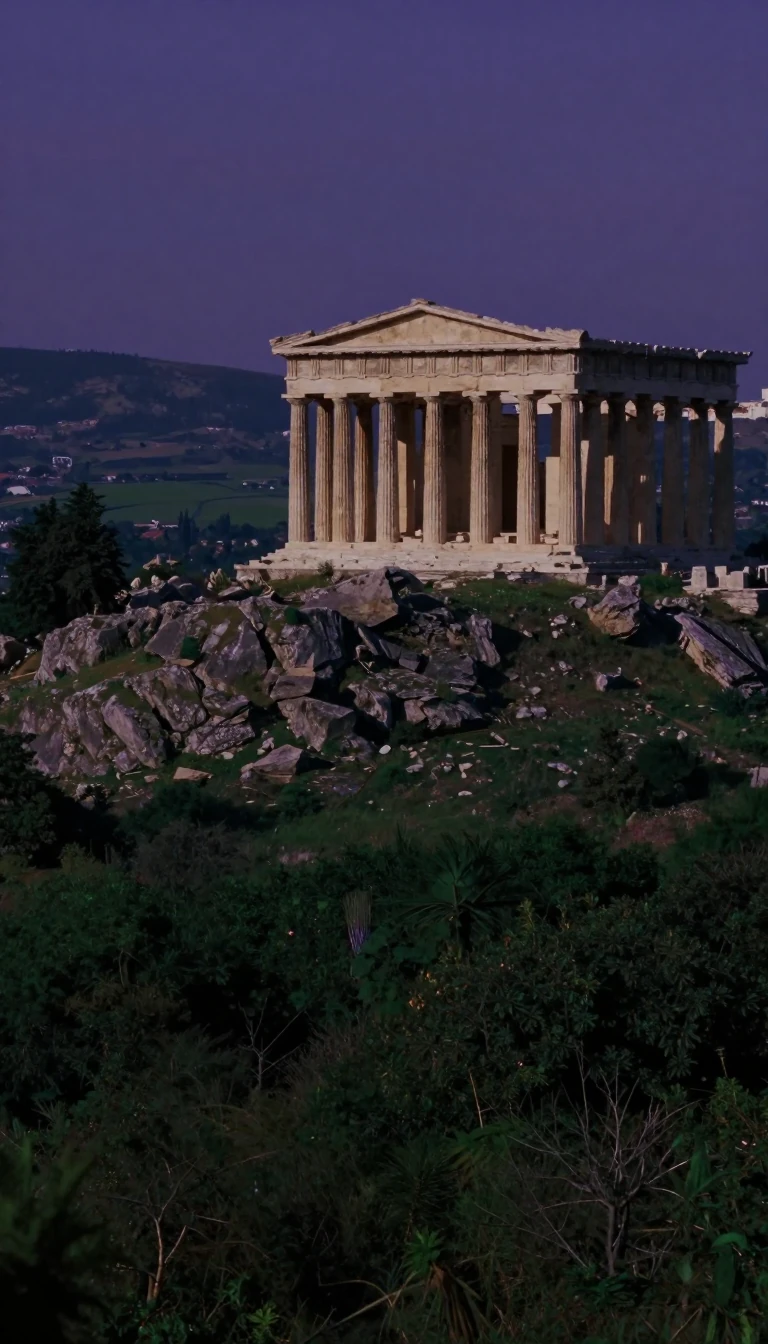
In short: Long considered a peripheral, mountainous backwater, Epirus was the cradle of ancient Greek tribes and the site of the legendary Oracle of Dodona. It rose to brief, intense prominence under King Pyrrhus, whose costly military campaigns against Rome gave the world a lasting term for hollow, self-defeating success.
Located between the Pindus Mountains and the Ionian Sea, Epirus was historically defined by its isolation and rugged terrain. Unlike the city-state-focused culture of southern Greece, the Epirotes—primarily the Chaonians, Molossians, and Thesprotians—lived in small, decentralized villages. Despite being Greek-speaking, their remote lifestyle led some classical historians, such as Thucydides, to label them as barbarians, while others, including Herodotus, recognized their Hellenic identity. The region’s significance was anchored by the Oracle of Zeus at Dodona, a site of immense religious prestige second only to Delphi.
The region’s political trajectory shifted dramatically in 370 BC when the Aeacidae dynasty unified the tribes into a centralized state. This power peaked under King Pyrrhus, who sought to expand Epirote influence into Italy. His wars against the Roman Republic and Carthage were marked by tactical brilliance but unsustainable losses, cementing the phrase 'Pyrrhic victory' in the lexicon. Following his reign and the collapse of the Aeacid monarchy in 232 BC, the region transitioned into a federal state known as the Epirote League. This autonomy was crushed in 167 BC, when Rome enslaved 150,000 inhabitants following the Third Macedonian War.
After the Roman conquest, Epirus was integrated into the empire, eventually becoming the westernmost province of the Eastern Roman Empire after the 395 AD split. The Middle Ages brought further upheaval, including Slavic migrations in the 6th century and the eventual establishment of the Despotate of Epirus following the 1204 sack of Constantinople. This successor state provided a sanctuary for Greek refugees, preserving Byzantine culture until the region fell to the Ottoman Empire in the 15th century. Today, the historical region is divided between Greece and Albania, with its ancient name serving as a testament to its long, complex evolution from a contested frontier to a modern administrative borderland.
Opens the Intellect+ feed with this card first. Swipe up for the next one.
Sources
- Summary by Intellect · source: Epirus
- Also: Epirus | Greece & Albania History | Britannica
To cite this card, link to https://intellectplus.co.uk/app/wars-epirus.
How we source, check and correct cards: Editorial standards.
General information, not professional advice. Spotted an error? Flag the card or see corrections and complaints.
Intellect Plus is a visual educational discovery platform for exploring fascinating facts and ideas. Brain Food, Not Brain Rot. What is Intellect Plus?
Related
More in Ancient & biblical wars · More in Wars & Conflicts · Latest · A–Z · All topics
