How a stadium built for Olympic dreams became a pillar of Spanish football
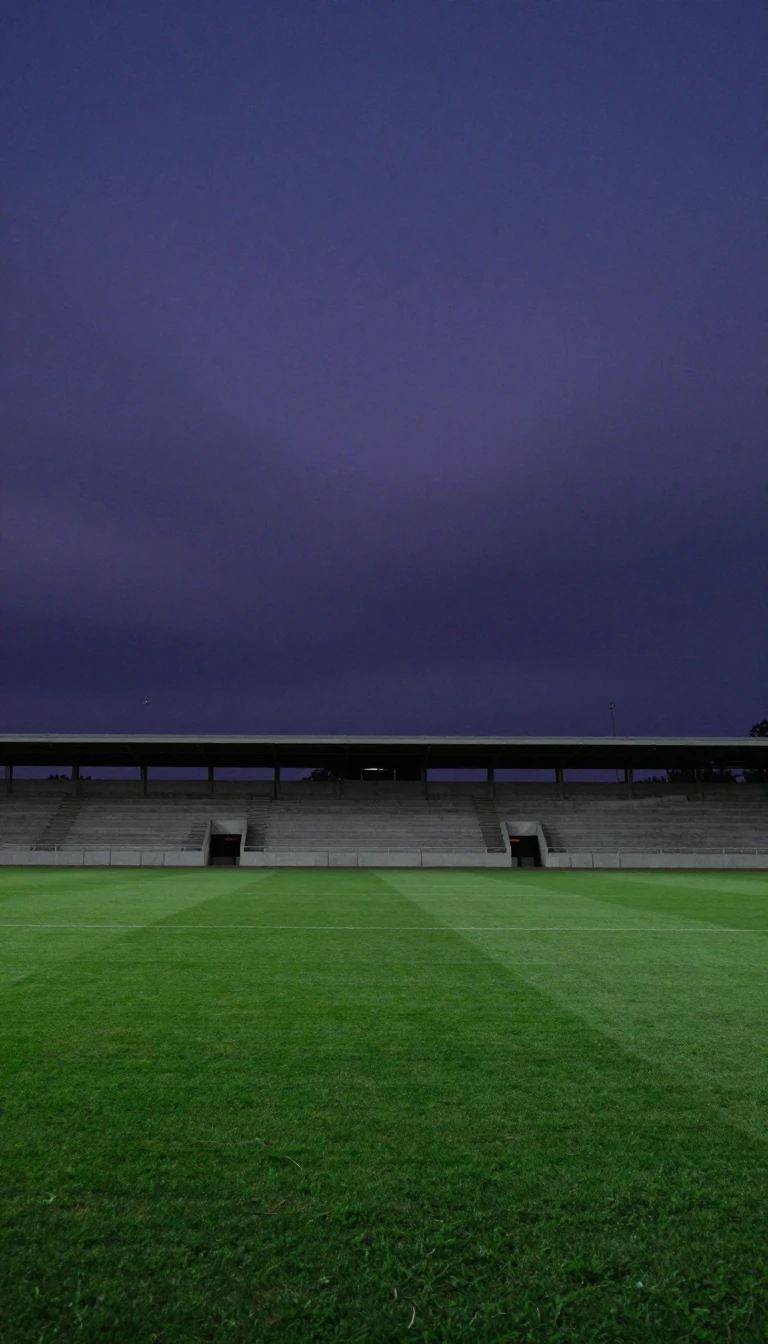
In short: Originally constructed in 1999 for the World Championships in Athletics, Seville's Estadio de La Cartuja was designed to anchor failed Olympic bids. Today, it has evolved into Spain's third-largest stadium, hosting everything from Copa del Rey finals to record-breaking concerts, proving that architectural ambition can find purpose beyond its original intent.
Located on the Isla de La Cartuja, the stadium was completed in 1999 to support Seville’s aspirations for the 2004 and 2008 Summer Olympics. When those bids proved unsuccessful, the venue faced a period of relative dormancy, as the city's primary football clubs, Real Betis and Sevilla, preferred their own historic grounds. Despite this, the stadium maintained relevance by hosting high-profile events, including the 2003 UEFA Cup final and Davis Cup tennis matches in 2004 and 2011, which required the installation of temporary roofs and clay courts.
The facility is managed by a consortium involving the Regional Government of Andalusia, the Spanish Government, and local municipal bodies, with minor stakes held by the two major Seville clubs. Its utility has shifted significantly in recent years. In 2021, it stepped in to host UEFA Euro 2020 matches after Bilbao was unable to fulfill its duties due to the pandemic. Furthermore, the Royal Spanish Football Federation designated it as a long-term host for the Copa del Rey finals from 2021 through 2024.
A major transformation occurred in 2025, when the stadium underwent an expansion to reach a capacity of 71,374 seats. This project included the removal of the athletics track to optimize the venue for football, cementing its status as the third-largest stadium in Spain, trailing only Camp Nou and the Santiago Bernabéu. Further renovations, including a glass roof and improved access, are slated for completion by 2028, positioning the arena as a key site for the 2030 FIFA World Cup. Beyond sports, the venue has become a premier destination for global music acts, hosting massive performances by artists like U2 and Manuel Carrasco, who set a national single-day attendance record there in 2022.
Opens the Intellect+ feed with this card first. Swipe up for the next one.
Sources
- Summary by Intellect · source: Estadio de La Cartuja
- Also: Wikidata — Estadio de La Cartuja · CC0
To cite this card, link to https://intellectplus.co.uk/app/places-estadio-de-la-cartuja.
How we source, check and correct cards: Editorial standards.
General information, not professional advice. Spotted an error? Flag the card or see corrections and complaints.
Intellect Plus is a visual educational discovery platform for exploring fascinating facts and ideas. Brain Food, Not Brain Rot. What is Intellect Plus?
Related
More in Countries and other regions · More in Countries & Cities · Latest · A–Z · All topics
