The logistical dance of Florence's constrained aviation gateway
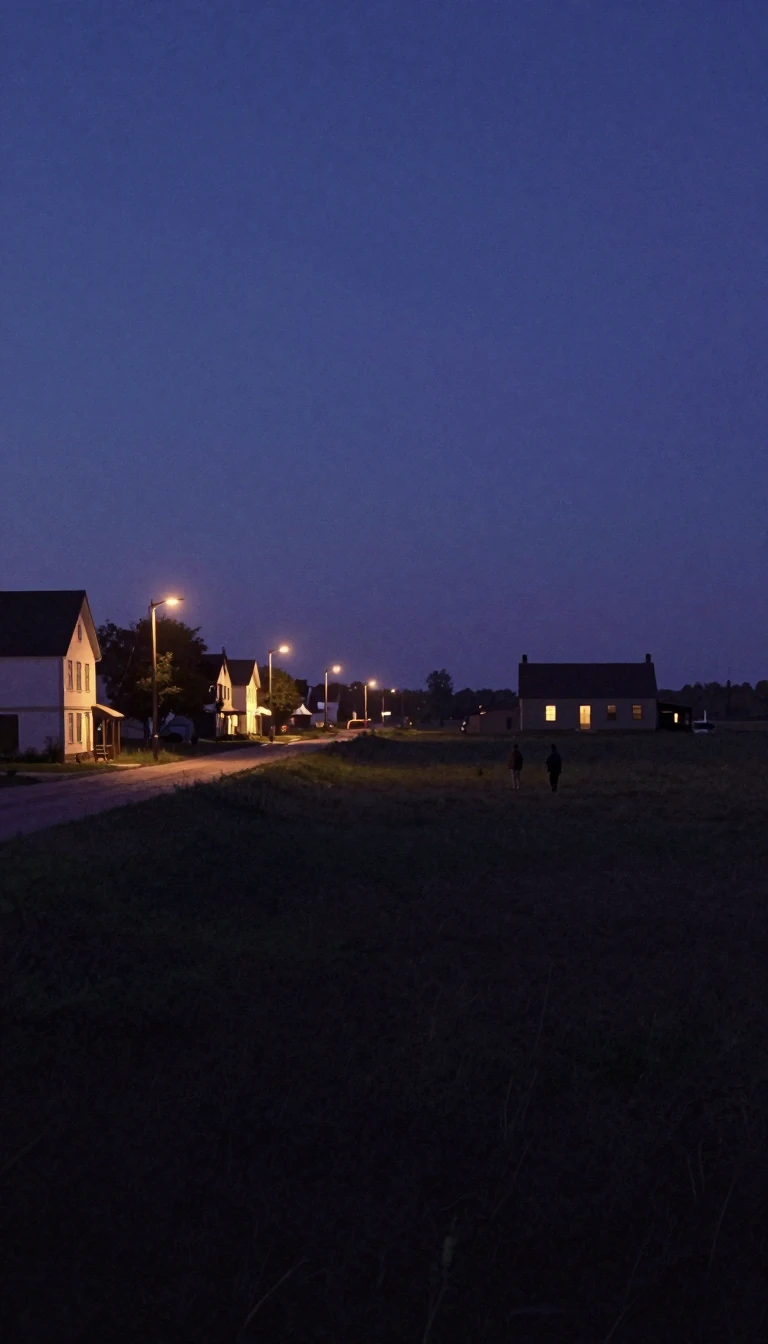
In short: Navigating the airport of a Renaissance masterpiece requires more than just a boarding pass; it demands an understanding of geographical limits. Because of its proximity to local landmarks, aircraft at Florence Airport must perform a unique taxiing maneuver that defines the experience of landing in Tuscany.
The evolution of Florence Airport (Amerigo Vespucci) is a study in urban adaptation. Its origins date back to 1910 in the Campo di Marte area, where military authorities first permitted 'experiments in air navigation.' However, rapid urbanization quickly rendered this site inadequate for modern aircraft. By 1928, planners identified a new location between Florence and Sesto Fiorentino, leading to the opening of Peretola Airport on June 4, 1931. Throughout the mid-20th century, the site served as a strategic hub, hosting both the Royal Italian Air Force and the Luftwaffe during World War II before transitioning to commercial service in the late 1940s.
Today, the airport remains constrained by its surroundings, specifically the proximity of Monte Morello. This geographical reality dictates a specific operational flow: planes normally take off from Runway 23, which forces them to taxi back down the runway to reach parking areas. Conversely, after landing, aircraft must turn around at the end of the runway and taxi back toward the terminal. These maneuvers highlight the limitations of a single-runway system that currently only accommodates aircraft up to the size of the A320NEO.
The facility is undergoing significant structural transformation to address these bottlenecks. While current passengers rely on bus boarding from gates 1 through 11, a new state-of-the-art terminal is planned for the coming decade featuring seven jetbridges. Furthermore, a new runway will be constructed perpendicular to the existing one, parallel to the A11 highway. This expansion aims to decommission the short runway—which was reduced to a taxiway in previous planning phases—and provide the capacity needed for larger aircraft and increased passenger volume.
Managed by AdF since April 9, 1998, the airport has balanced its role as Tuscany's second-busiest regional hub with the preservation of its historical context. From its 1930s asphalt beginnings to its ISO 9001/2000 certification in 2001, the site reflects a constant tension between the demands of modern aviation and the physical boundaries of an ancient city.
Opens the Intellect+ feed with this card first. Swipe up for the next one.
Sources
- Summary by Intellect · source: Florence Airport
- Also: Wikidata — Florence Airport · CC0
To cite this card, link to https://intellectplus.co.uk/app/places-florence-airport.
How we source, check and correct cards: Editorial standards.
General information, not professional advice. Spotted an error? Flag the card or see corrections and complaints.
Intellect Plus is a visual educational discovery platform for exploring fascinating facts and ideas. Brain Food, Not Brain Rot. What is Intellect Plus?
Related
More in Cities · More in Countries & Cities · Latest · A–Z · All topics
