Why the legendary home of Beowulf was once considered a separate country from Sweden
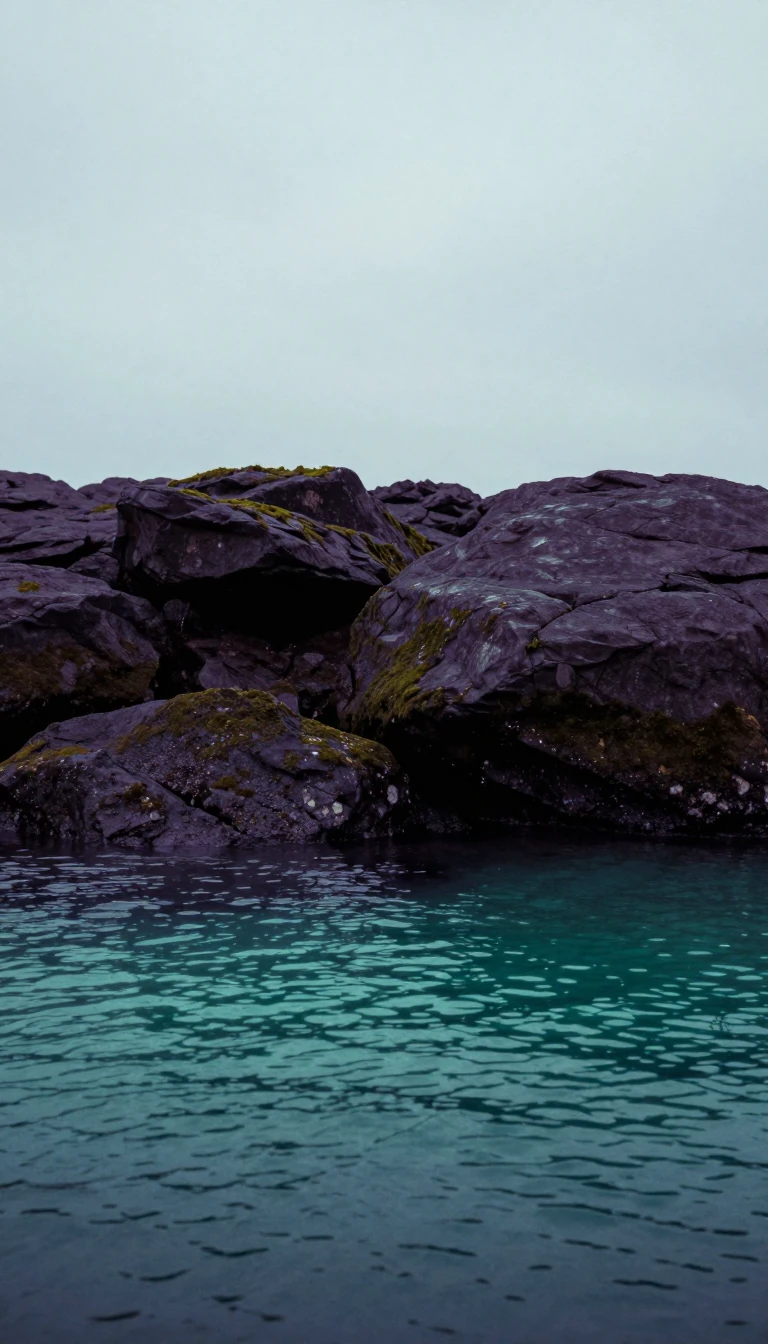
In short: Götaland, the southern region of Sweden, was not always part of the Swedish state. For centuries, it existed as a distinct territory, home to the Geats—the people of the epic hero Beowulf. Today, it is an unofficial entity, yet it remains a central pillar of Swedish history and geography.
The identity of Götaland is rooted in the Gautar, or Geats, an ancient people first noted by the geographer Ptolemy in the 2nd century. During the Middle Ages, Götaland was not a unified province but a collection of rival kingdoms, with Västergötland and Östergötland serving as the traditional heartland. In Old Norse and Old English sources, this region was frequently treated as a country entirely separate from Sweden, which was then synonymous with the northern region of Svealand. The border between these two powers was marked by dense forests like Kolmården.
The political integration of Götaland into the modern Swedish state was a gradual process beginning around the 10th century. By 1384, Bo Jonsson Grip’s will explicitly distinguished between Swerige (Svealand), Österland (Finland), and Göthalandom (Götaland). The region’s composition shifted significantly over time; for instance, the province of Småland—a name meaning 'small lands'—was formed by merging several smaller territories. Other areas, such as Bohuslän, Halland, Scania, and Blekinge, were only incorporated into Götaland following territorial cessions from Denmark and Norway in the 17th century.
Today, Götaland comprises ten provinces and covers 87,712 square kilometers, housing about 4.4 million people. While it lacks formal administrative functions, it remains one of Sweden's three traditional lands. The region is defined by its diverse landscape, ranging from the deep forests of Småland to the agricultural plains of Scania. It also contains Sweden’s two largest lakes and two largest islands. Despite its historical status as a rival to the north, Götaland has been the most densely populated part of the country since the mid-18th century, when it held 60 percent of the total population.
The etymology of the name reflects this complex history. It is likely a plural construction meaning 'lands of the Geats,' a distinction that became necessary as the region expanded beyond its original core. While the Geatish kings belong to the realm of Norse mythology, the historical reality of Götaland as a cultural and economic powerhouse—evidenced by the 1397 proclamation of the Kalmar Union at Kalmar Castle—is well-documented.
Opens the Intellect+ feed with this card first. Swipe up for the next one.
Sources
- Summary by Intellect · source: Götaland
- Also: Götaland | Scandinavia, Geography, History | Britannica
- Also: Wikidata — Götaland · CC0
- Also: Wikidata — Götaland · CC0
To cite this card, link to https://intellectplus.co.uk/app/places-g-taland.
How we source, check and correct cards: Editorial standards.
General information, not professional advice. Spotted an error? Flag the card or see corrections and complaints.
Intellect Plus is a visual educational discovery platform for exploring fascinating facts and ideas. Brain Food, Not Brain Rot. What is Intellect Plus?
Related
More in Regions and country subdivisions · More in Countries & Cities · Latest · A–Z · All topics
