Sweden’s largest island holds a treasure trove of ancient history and medieval silver
In short: Gotland, a strategic Baltic outpost, has been inhabited since 7200 BCE. Beyond its modern role as a popular tourist destination and agricultural hub, the island serves as a massive archaeological archive, containing more Islamic silver dirhams than any other site in Western Eurasia, reflecting its deep history as a commercial crossroads.
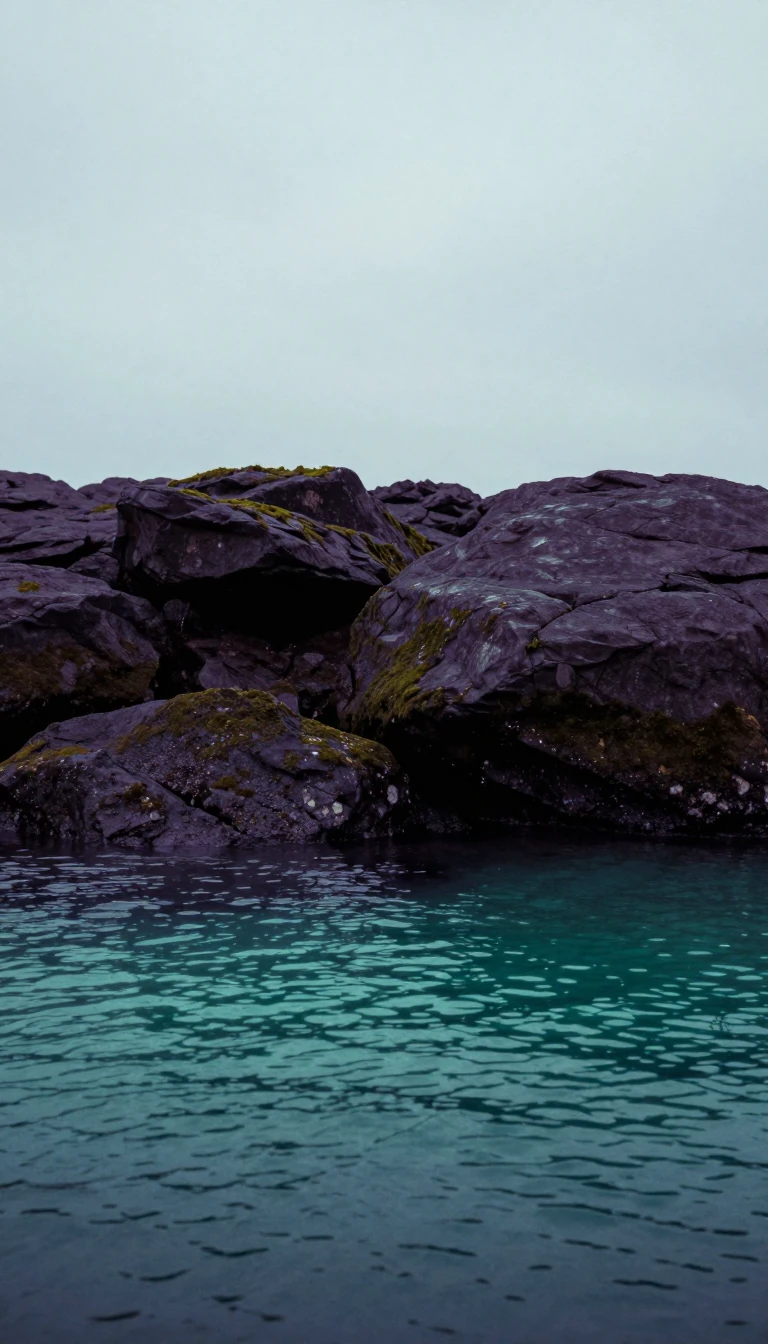
Geologically, Gotland is a product of the Silurian age, composed of sedimentary rocks deposited in a shallow, warm, and salty sea located on the edge of an equatorial continent. Over millions of years, the accumulation of bioherm detritus and terrestrial sediments created a landscape defined by limestone, which has weathered into iconic karstic formations known as rauks. This unique substrate has preserved an abundance of fossils, including crinoids, rugose corals, and brachiopods, offering a window into a prehistoric marine environment.
The island’s human history is equally layered. Archaeological evidence, such as the Ajvide Settlement, confirms habitation dating back to 7200 BCE. A 2026 DNA study revealed that during the Middle Neolithic, the island hosted two distinct populations: seal hunters with Scandinavian hunter-gatherer ancestry and farmers with Anatolian Neolithic roots. By the Iron Age, the Gutes emerged as the island's primary inhabitants. The Gutasaga, a historical text, claims these people voluntarily submitted to the Swedish king, though some historians interpret this narrative as a calculated assertion of Gotlandic independence.
Gotland’s strategic importance in the Baltic Sea made it a magnet for conflict and commerce. During the Viking Age, it functioned as a vital commercial center, evidenced by the staggering volume of Arab dirhams unearthed in local hoards. The 1999 discovery of the Spillings Hoard—the world's largest Viking silver treasure, weighing 67 kg—highlighted this wealth. Throughout the medieval period, the island was contested by the Teutonic Knights, Denmark, and Sweden. It was eventually integrated into Sweden following the 1645 Treaty of Brömsebro, ending centuries of shifting allegiances and foreign occupation.
Today, Gotland functions as a unique administrative entity where the province, county, and municipality are congruent. While it remains a fully integrated part of Sweden, its cultural identity is distinct, rooted in its history as a hub for trade and its evolution from a medieval commercial powerhouse into a modern center for tourism, design, and information technology.
Opens the Intellect+ feed with this card first. Swipe up for the next one.
Sources
- Summary by Intellect · source: Gotland
- Also: Wikidata — Gotland · CC0
To cite this card, link to https://intellectplus.co.uk/app/places-gotland.
How we source, check and correct cards: Editorial standards.
General information, not professional advice. Spotted an error? Flag the card or see corrections and complaints.
Intellect Plus is a visual educational discovery platform for exploring fascinating facts and ideas. Brain Food, Not Brain Rot. What is Intellect Plus?
Related
More in Islands · More in Countries & Cities · Latest · A–Z · All topics
