Gavdos is the southernmost point of Europe, a remote island with a complex history.
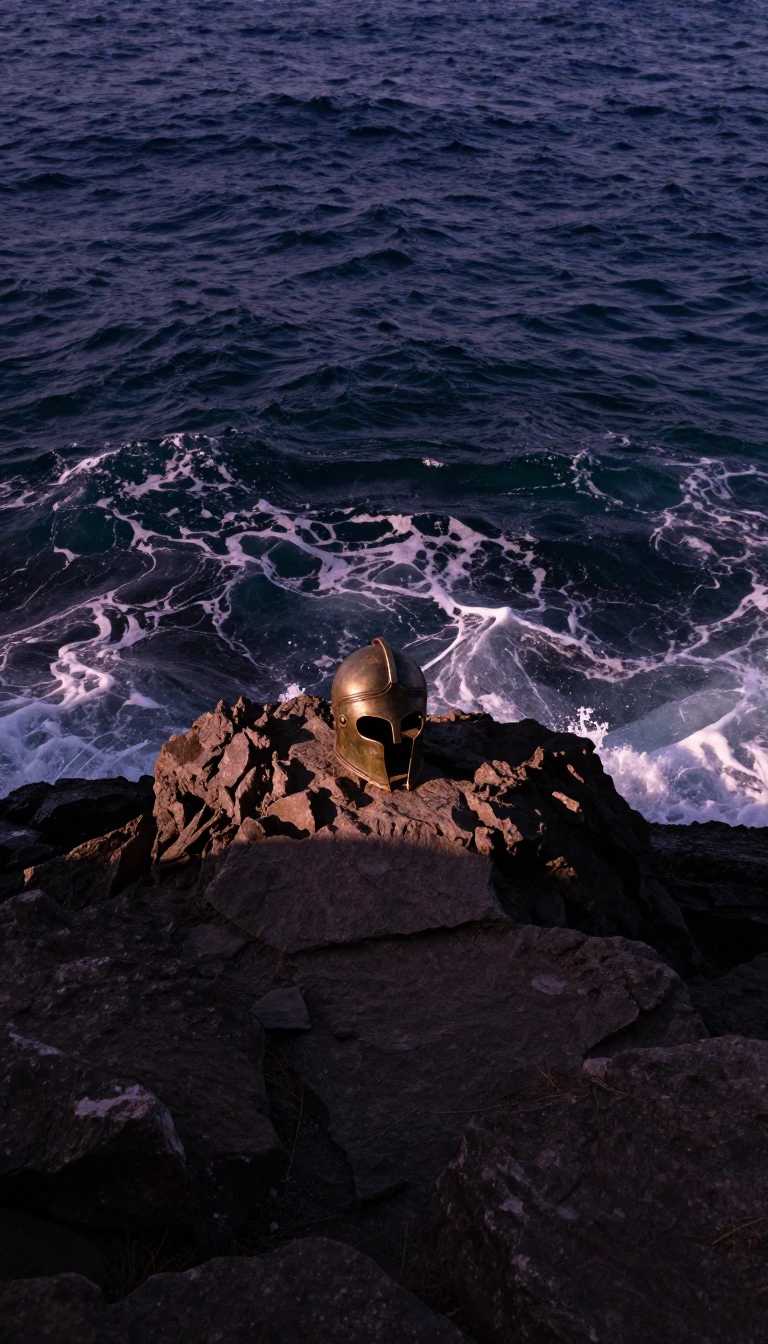
In short: Located 26 nautical miles south of Crete, Gavdos is Europe's southernmost island. Once a thriving community of 8,000, it has transformed from a Neolithic settlement and a site of political exile into a quiet, sun-drenched destination that remains a focal point for regional geopolitics and ancient mythological speculation.
Gavdos, known historically by names including Clauda, Cauda, and Gondzo, has been inhabited since Neolithic times. Its strategic location in the Mediterranean has long made it a site of interest, from the Roman Empire to the Ottoman era, which lasted from 1665 to 1895. The island is frequently identified as the mythical Ogygia, where the nymph Kalypso allegedly held Odysseus captive. By 900 AD, the island supported a population of approximately 8,000, but centuries of overexploitation of its flora led to significant erosion, and by 1882, the population had dwindled to 500.
In the 20th century, the island served as a place of exile for over 250 Greek communists during the 1930s. Following the Battle of Crete in World War II, it became a refuge for Allied forces before falling under Axis occupation from June 1941 until October 1944. The island's modern identity is defined by its isolation and its status as a geopolitical marker. In 1996, it became the center of a confrontation between Greece and Turkey during a NATO exercise, leading to development initiatives. More recently, in November 2020, the Greek defense ministry established a military outpost on the island, marking its strategic importance at the southern edge of Greek territorial waters.
Today, Gavdos is a rugged landscape of phrygana shrubs and pine forests, characterized by a hot semi-arid climate and high solar radiation. While the permanent population remains small—recorded at 142 residents in 2021—the island experiences a massive seasonal influx of tourists and campers, with numbers reaching over 3,500 in the summer. Infrastructure remains a challenge; despite efforts to modernize, including the installation of a telemedicine center and a power station, the island continues to rely on basic services. It remains a vital stop for migrating birds and a unique, sun-drenched outpost at the edge of the European continent.
Opens the Intellect+ feed with this card first. Swipe up for the next one.
Sources
- Summary by Intellect · source: Gavdos
- Also: Wikidata — Gavdos · CC0
To cite this card, link to https://intellectplus.co.uk/app/places-gavdos.
How we source, check and correct cards: Editorial standards.
General information, not professional advice. Spotted an error? Flag the card or see corrections and complaints.
Intellect Plus is a visual educational discovery platform for exploring fascinating facts and ideas. Brain Food, Not Brain Rot. What is Intellect Plus?
Related
More in Bodies of water · More in Countries & Cities · Latest · A–Z · All topics
