How ancient agroforestry techniques created a UNESCO World Heritage site in Ethiopia
In short: The Gedeo Cultural Landscape, inscribed as a UNESCO World Heritage site in 2023, is a testament to thousands of years of human-environmental harmony. Nestled in south-central Ethiopia, this region thrives through sophisticated, vertically stratified farming practices that protect the land while supporting a population of roughly 2.55 million Gedeo people.
The Gedeo Cultural Landscape spans the eastern flank of the Main Ethiopian Rift, with elevations ranging from 1,307 to 3,072 meters. This fertile region, shaped by volcanic activity during the Miocene and Quaternary periods, supports a unique agricultural system. Over 90% of the Gedeo Zone is dedicated to agroforestry, where coffee and enset are cultivated beneath a canopy of mature native trees. To prevent erosion on the steep terrain, the Gedeo people avoid tilling, instead rotating their crops and allowing sections of land to lie fallow. This system is deeply rooted in local customs and beliefs, fostering a mutualistic relationship with the environment that includes the preservation of sacred forests where harvesting is strictly prohibited.
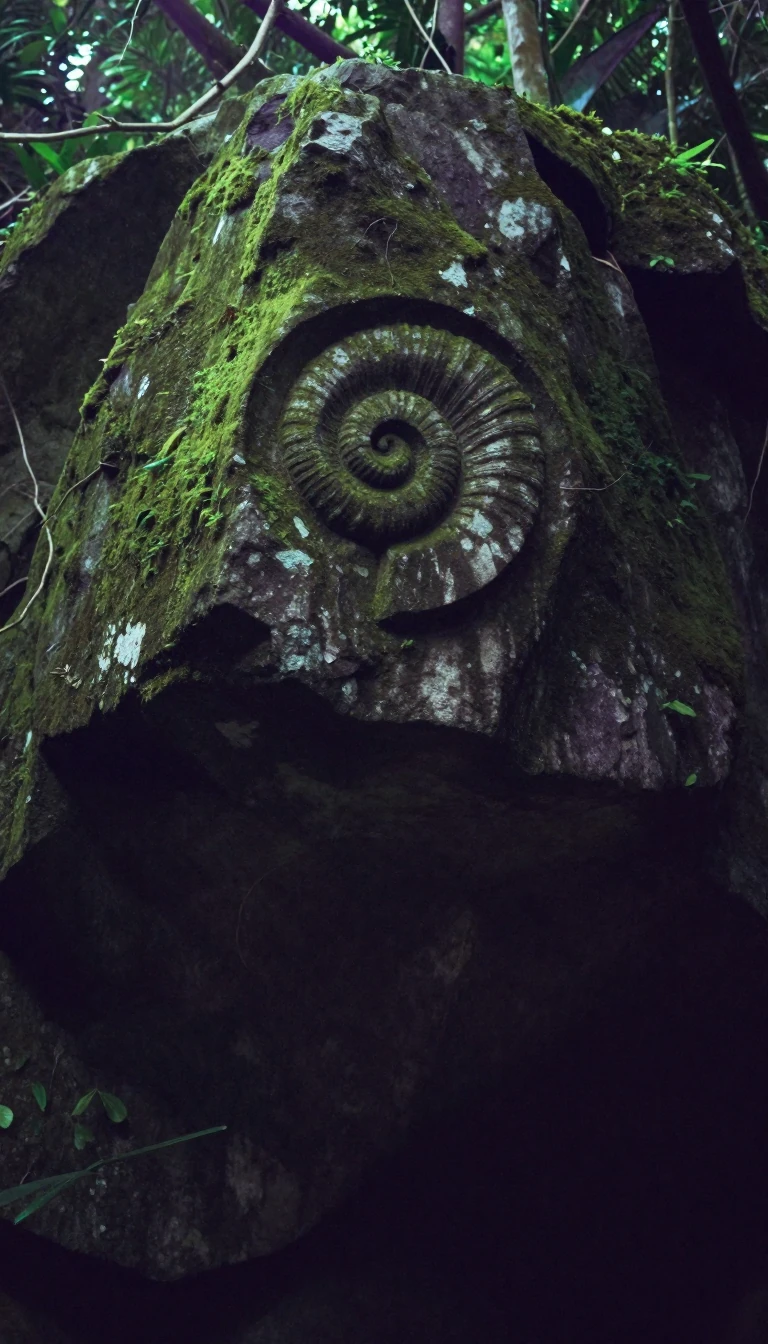
Beyond its agricultural ingenuity, the landscape is a significant archaeological site. Evidence of human occupation stretches back to the Neolithic period, and the area contains thousands of megalithic stelae across approximately 100 sites. These monuments, some reaching 8 meters in height and 1 meter in diameter, feature intricate phallic and anthropomorphic carvings. The region also hosts various burial sites, a necropolis, and numerous petroglyphs. While European archaeological interest in these structures began as early as the 1920s and 1930s, the landscape remains a living history of the Gedeo people's long-standing connection to the land.
The ecological diversity of these traditional farms is remarkable, with 50 distinct species of native woody plants identified within the cultivated areas. Among these, 22 species are of particular conservation concern, including Millettia, Cordia africana, and the African cherry. By integrating these native plants into their farming systems, the Gedeo people have maintained a resilient landscape that balances economic productivity with environmental stewardship. This combination of ancient megalithic history and sustainable, traditional land management is precisely why the site earned its place on the UNESCO World Heritage List, recognizing it as a vital cultural and natural treasure.
Opens the Intellect+ feed with this card first. Swipe up for the next one.
Sources
- Summary by Intellect · source: Gedeo Cultural Landscape
- Also: Wikidata — The Gedeo Cultural Landscape · CC0
To cite this card, link to https://intellectplus.co.uk/app/places-gedeo-cultural-landscape.
How we source, check and correct cards: Editorial standards.
General information, not professional advice. Spotted an error? Flag the card or see corrections and complaints.
Intellect Plus is a visual educational discovery platform for exploring fascinating facts and ideas. Brain Food, Not Brain Rot. What is Intellect Plus?
Related
More in World Heritage Sites · More in Countries & Cities · Latest · A–Z · All topics
