North America is a geologically ancient continent built from colliding microcontinents and volcanic shifts.
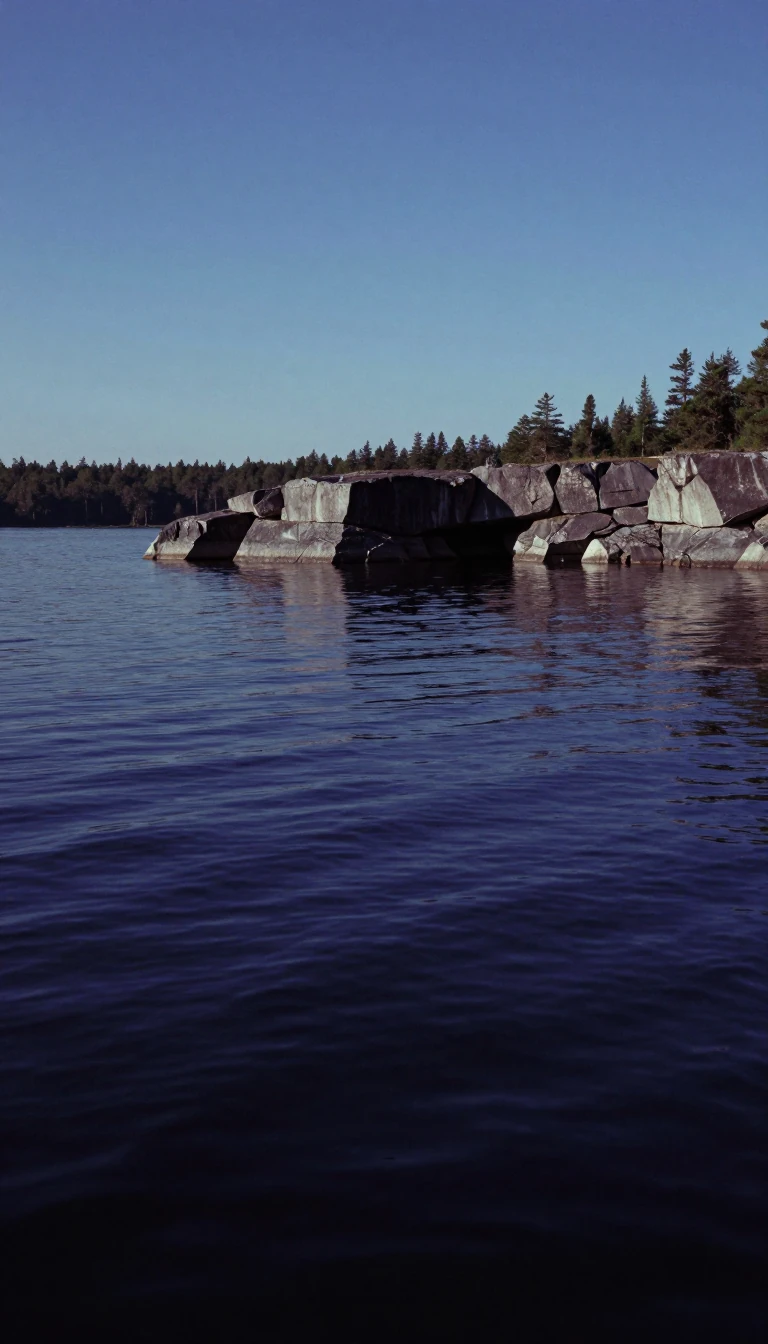
In short: Spanning from the Arctic to the tropics, North America is more than just a landmass. It is a complex puzzle of ancient cratons, shifting tectonic plates, and glacial history. Beneath its diverse landscapes lies a story of continental collisions and volcanic activity that shaped the world we recognize today.
At the heart of North America lies the Laurentia craton, a stable core that makes up 70 percent of the continent. This foundation is remarkably old, with crustal formation beginning 4 billion years ago. About 2 billion years ago, six distinct microcontinents collided to form the craton, which was later enlarged by tectonic activity between 1.8 and 1.65 billion years ago. While the craton has remained relatively stable, it has been part of several supercontinents, including Rodinia, Pangea, and Laurasia.
The continent's dramatic topography is defined by the American Cordillera, a complex belt of mountains including the geologically young Rocky Mountains, which formed between 100 and 65 million years ago. In contrast, the Appalachian Mountains in the east are an eroded system dating back 1.3 billion years. The landscape was further sculpted by the Quaternary glaciation starting 2.58 million years ago, which carved the Great Lakes and left behind vast glacial lakes. The weight of this ice depressed the land around the Hudson Bay, a region that is still slowly rebounding today.
North America's boundaries and internal geography are equally dynamic. The continent is primarily situated on the North American Plate, though it interacts with the Pacific Plate along the San Andreas Fault. The formation of the Isthmus of Panama 3 million years ago created a land bridge, triggering the Great American Interchange of flora and fauna. Even the continent's geographic center is a subject of evolving study; while a 1931 method placed it near Balta, North Dakota, modern calculations by Professor Peter Rogerson suggest a location near Center, North Dakota.
Opens the Intellect+ feed with this card first. Swipe up for the next one.
Sources
- Summary by Intellect · source: Geography of North America
- Also: Wikidata — geography of North America · CC0
To cite this card, link to https://intellectplus.co.uk/app/places-geography-of-north-america.
How we source, check and correct cards: Editorial standards.
General information, not professional advice. Spotted an error? Flag the card or see corrections and complaints.
Intellect Plus is a visual educational discovery platform for exploring fascinating facts and ideas. Brain Food, Not Brain Rot. What is Intellect Plus?
Related
More in Basics · More in Countries & Cities · Latest · A–Z · All topics
