Laurentia is the ancient geological core that eventually became the North American continent.
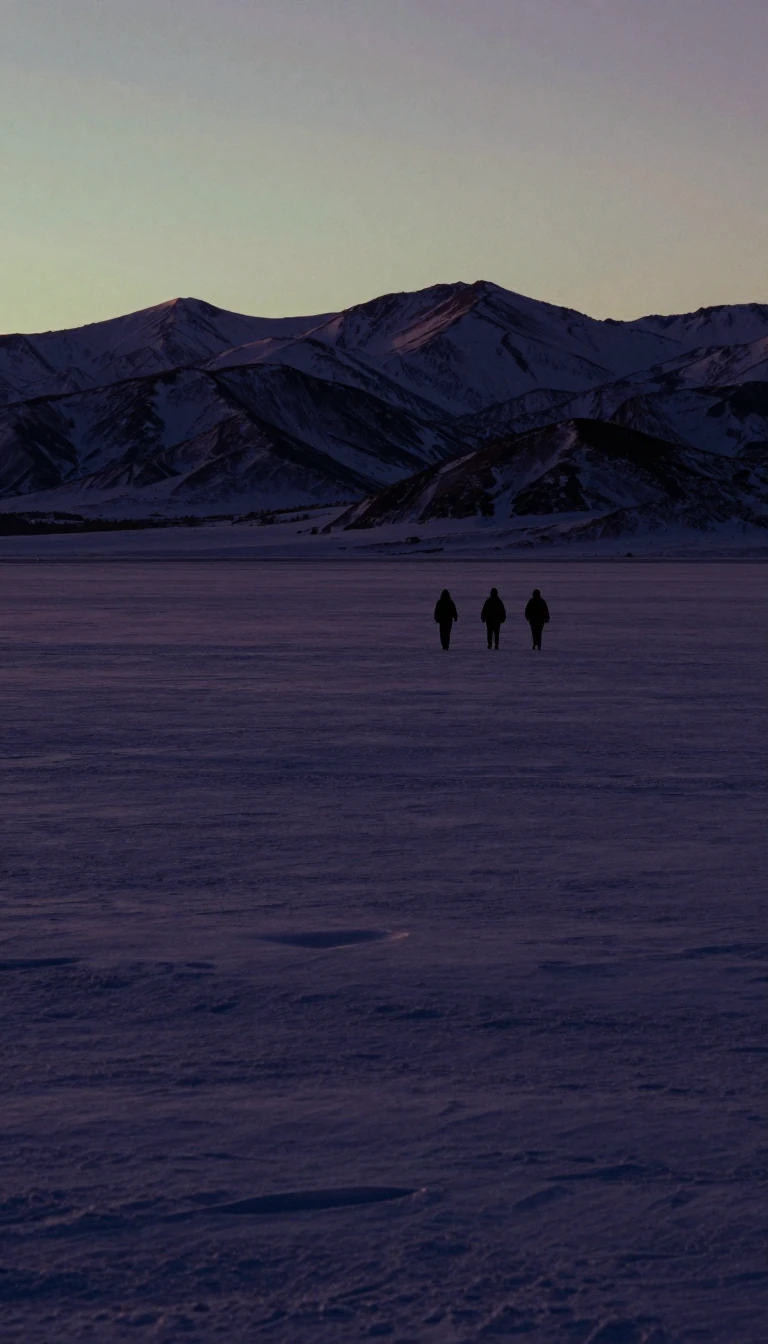
In short: Long before North America existed as we know it, a massive, independent paleocontinent called Laurentia drifted across the globe. Composed of Greenland, most of North America, and parts of Scotland, this ancient craton was once submerged under shallow seas, rotated at different angles, and collided to form supercontinents.
Laurentia serves as the stable, ancient geological nucleus of North America. Named after the Laurentian Shield in Quebec, this massive craton is not merely a static landmass but a puzzle of Archean fragments that assembled between 2.0 and 1.8 billion years ago. Through a series of violent tectonic collisions, such as the Trans-Hudson orogeny, smaller crustal blocks were sutured together, creating a stable core that would persist for eons.
The history of Laurentia is defined by its constant movement and transformation. Approximately 500 million years ago, it existed as an independent continent, often straddling the paleoequator. During this period, over 65 percent of its surface was submerged beneath shallow, warm-water seas, which left behind thick carbonate deposits. Geologists track its complex journey by analyzing paleomagnetic data, which reveals that the continent was frequently rotated—sometimes 45° or 90° clockwise from its modern orientation—as it drifted through different latitudes.
Over the last billion years, Laurentia acted as a magnet for growth. It was once a central piece of the supercontinent Rodinia, and later, it became a key component of Laurasia before colliding with Gondwana to form Pangaea 300 million years ago. Throughout its existence, the craton expanded significantly through the accretion of island arcs and juvenile crust along its southeastern margin. This process of mountain building and crustal welding, occurring through events like the Yavapai and Grenville orogenies, transformed a collection of scattered fragments into the vast, stable foundation that supports the North American landscape today.
Opens the Intellect+ feed with this card first. Swipe up for the next one.
Sources
- Summary by Intellect · source: Laurentia | paleocontinent | Britannica
- Also: Laurentia
To cite this card, link to https://intellectplus.co.uk/app/nature-laurentia.
How we source, check and correct cards: Editorial standards.
General information, not professional advice. Spotted an error? Flag the card or see corrections and complaints.
Intellect Plus is a visual educational discovery platform for exploring fascinating facts and ideas. Brain Food, Not Brain Rot. What is Intellect Plus?
Related
More in Geology · More in Nature · Latest · A–Z · All topics
