How a remote Iranian province once defied empires and monopolized the global silk trade
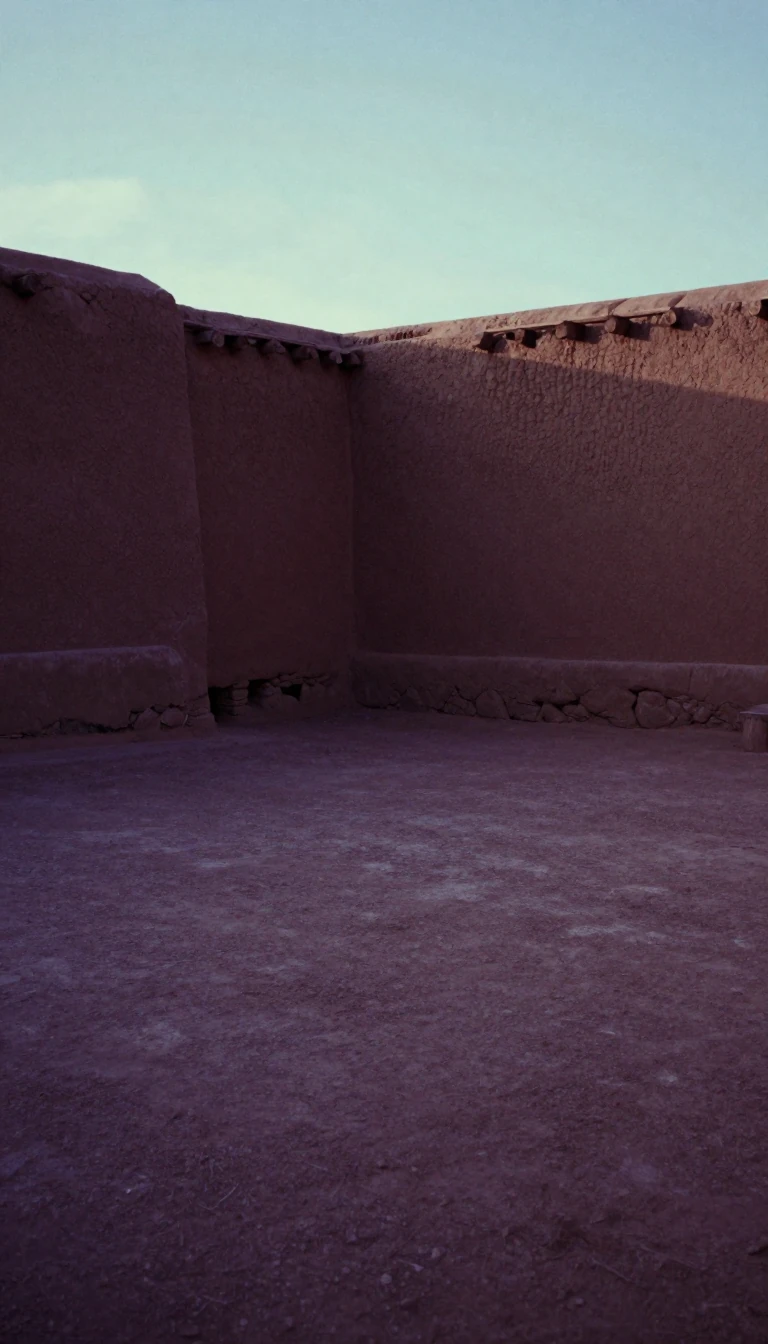
In short: Gilan, a lush province bordering the Caspian Sea, has long operated as a defiant anomaly within Iran. From repelling early Muslim conquests to establishing a short-lived socialist republic, this region has historically balanced between independence and imperial control, fueled by its once-dominant position as Asia’s primary silk exporter.
Gilan’s history is defined by its rugged geography and persistent autonomy. While much of Iran fell to Arab armies in the 7th century, Gilanis and their Deylamite neighbors successfully resisted occupation and conversion for centuries. Their military prowess was so formidable that they were the only regional force capable of fighting the Varangian Vikings as equals. By the 10th century, Deylamite dynasties like the Buyids had risen to power, eventually conquering Baghdad in 945 while keeping the Abbasid caliphs in secluded captivity.
The province’s economic trajectory shifted dramatically in the 15th century with the introduction of silk production. This industry transformed Gilan from a poor, isolated region into one of Iran’s wealthiest provinces. By the 16th century, it had become the major exporter of silk in Asia, a revenue stream so vital that the Safavid Crown maintained a strict monopoly over the trade. However, this prosperity proved fragile; a mid-19th-century epidemic among silk worms devastated the local economy, forcing a painful transition toward tea and rice cultivation.
Gilan’s proximity to Russia also made it a recurring theater for geopolitical conflict. Throughout the 18th and 19th centuries, the province faced repeated Russian incursions, leading to significant cultural and political influence that lasted until 1946. This tension culminated in the early 20th century with the Jangal movement, led by Mirza Kuchik Khan. In 1920, the movement briefly established the Socialist Republic of Gilan, an attempt to assert revolutionary independence amidst the chaos of the Bolshevik Revolution and British intervention. Though the republic collapsed in 1921, the legacy of Gilan’s resistance remains a central pillar of its regional identity.
Today, Gilan remains a cultural mosaic. While the Gilaks form the majority, the province is home to diverse groups including Talysh, Azerbaijanis, Kurds, and Persians. This demographic complexity is mirrored in its linguistic landscape, where Gilaki, Talyshi, and Kurdish are spoken alongside the official Persian language, reflecting centuries of migration and shifting borders.
Opens the Intellect+ feed with this card first. Swipe up for the next one.
Sources
- Summary by Intellect · source: Gilan province
- Also: Wikidata — Gilan Province · CC0
- Also: Wikidata — Gilan Province league · CC0
To cite this card, link to https://intellectplus.co.uk/app/places-gilan-province.
How we source, check and correct cards: Editorial standards.
General information, not professional advice. Spotted an error? Flag the card or see corrections and complaints.
Intellect Plus is a visual educational discovery platform for exploring fascinating facts and ideas. Brain Food, Not Brain Rot. What is Intellect Plus?
Related
More in Regions and country subdivisions · More in Countries & Cities · Latest · A–Z · All topics
