Hormozgan: The Iranian province that became a global crossroads for empires and trade
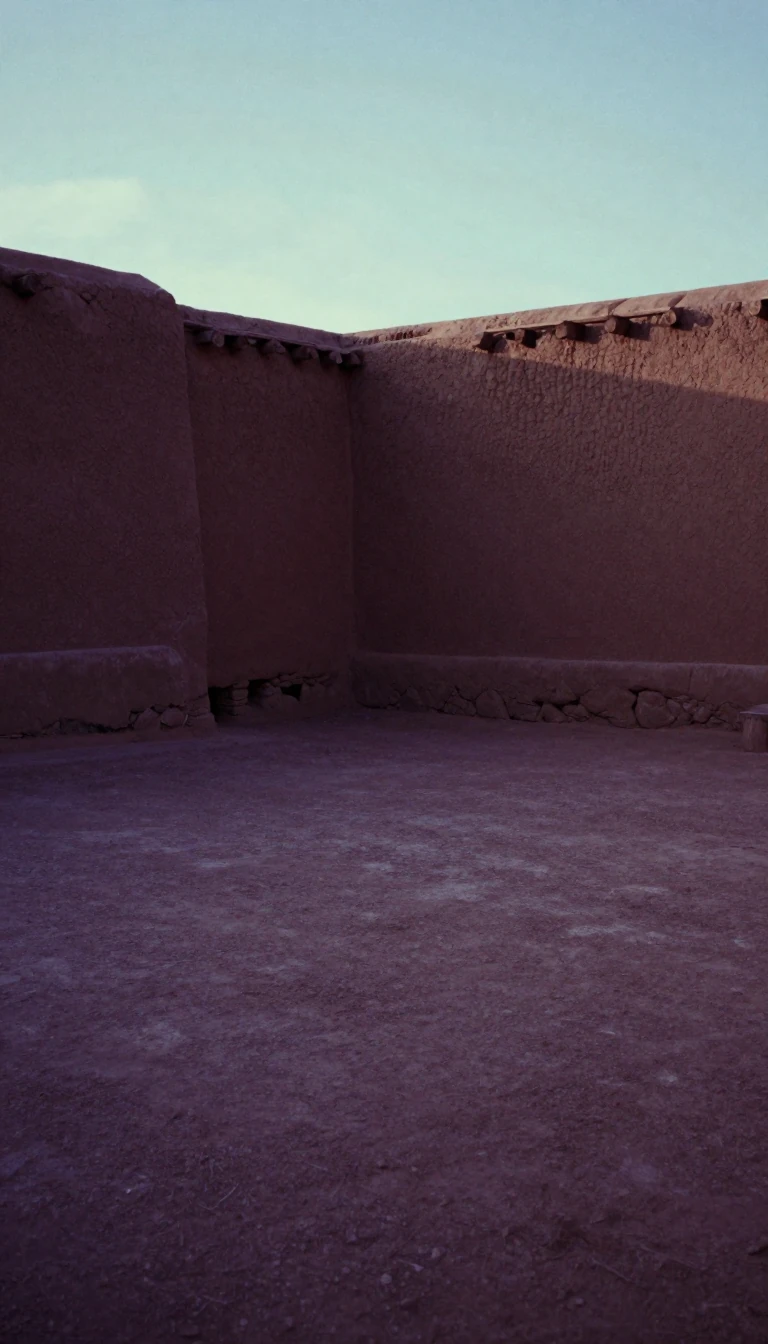
In short: Situated along the Strait of Hormuz, this Iranian province has served as a vital maritime gateway for centuries. From ancient Sassanid ports to colonial power struggles between the British, Dutch, and Portuguese, Hormozgan remains a strategic landscape defined by its harsh climate, rich history, and modern economic significance.
Hormozgan province, located in southern Iran, occupies a strategic position facing the Strait of Hormuz, Oman, and the United Arab Emirates. Spanning 70,697 square kilometers, the region is characterized by the southern tip of the Zagros Range and a climate that is notoriously hot and humid, with summer temperatures occasionally surpassing 120 degrees Fahrenheit. Despite its arid environment, the province is a critical agricultural and industrial hub, leading Iran in lime production and contributing 30 percent of the nation's fishery output.
The region's history is a tapestry of shifting imperial interests. While settlement dates back to the Achaemenid era, its prominence as a commercial port began under the Sassanid empire. By the late 13th century, Marco Polo documented the vibrant trade of pearls, silk, and ivory in the bazaar of Hormuz. This strategic value attracted European powers; in 1508, the Portuguese established a presence, only to be expelled later by Shah Abbas I with British assistance. The subsequent colonial rivalry between the British and the Dutch further shaped the region's political landscape before the British East India Company eventually consolidated control.
Today, Hormozgan balances its historical legacy with modern economic development. It hosts two free trade zones on Kish and Qeshm islands, with Kish serving as the home of an Iranian oil bourse that notably operates outside of the United States dollar system. The province also preserves its heritage through 212 registered historical sites, including the Sassanid-era Historic Bath of Siba and the Portuguese-built Fort of Our Lady of the Conception. Despite its resilience, the region remains vulnerable to geopolitical tensions, as evidenced by the 2026 airstrike on a desalination plant that disrupted water access for thousands of residents.
Linguistically, the province reflects its diverse history. While Persian is the dominant language, the region is also home to speakers of Northwest Iranian Balochi, Arabic, and the Indic language Kholosi. This cultural and linguistic variety, paired with its critical infrastructure—including 11 ports and three national airports—underscores Hormozgan's enduring role as a vital intersection of trade, culture, and power in the Persian Gulf.
Opens the Intellect+ feed with this card first. Swipe up for the next one.
Sources
- Summary by Intellect · source: Hormozgan province
- Also: Wikidata — Hormozgan Province · CC0
To cite this card, link to https://intellectplus.co.uk/app/places-hormozgan-province.
How we source, check and correct cards: Editorial standards.
General information, not professional advice. Spotted an error? Flag the card or see corrections and complaints.
Intellect Plus is a visual educational discovery platform for exploring fascinating facts and ideas. Brain Food, Not Brain Rot. What is Intellect Plus?
Related
More in Regions and country subdivisions · More in Countries & Cities · Latest · A–Z · All topics
