Why did ancient Koreans move 280-ton stones to mark the graves of their elite?
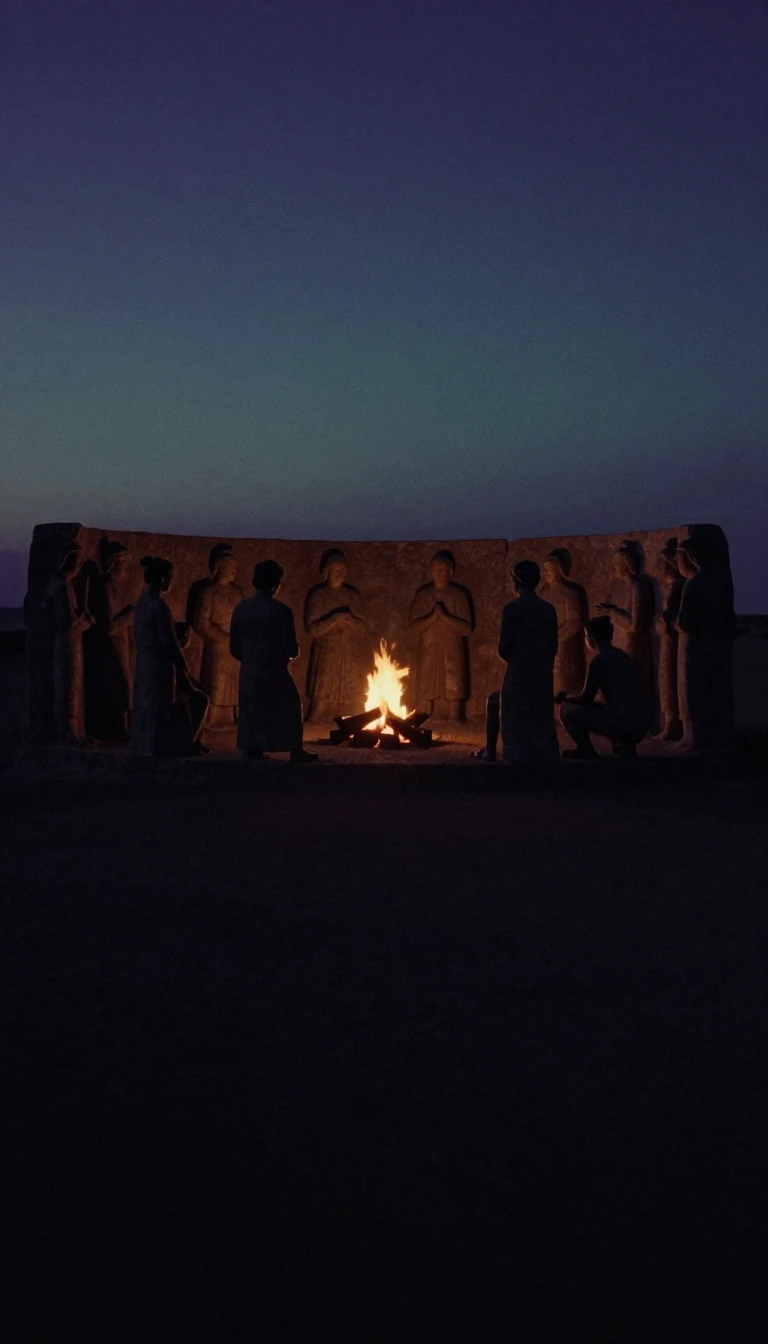
In short: The Korean Peninsula holds roughly 40% of the world's dolmens, with over 35,000 of these megalithic structures scattered across the landscape. Designated as a UNESCO World Heritage site in 2000, these massive stone markers reveal the sophisticated burial customs and social hierarchies of the region's Neolithic and Bronze Age civilizations.
The Gochang, Hwasun, and Ganghwa sites represent the most concentrated and diverse collection of these megaliths. While their primary function as burial chambers for the ruling elite was confirmed by the 1967 discovery of human remains at Hwangseok-ri, the purpose of these stones remains a subject of intense academic debate. Some scholars suggest that certain table-style dolmens served as elevated altars for rituals, given their prominent positioning and structural complexity, which differs significantly from standard tomb designs.
Construction of these monuments required immense labor, with capstones weighing up to 280 tons. The sheer scale and varied orientation of these structures indicate they were likely built to project the authority and prestige of tribal leaders or powerful kinship groups. Excavated artifacts—including bronzes, comma-shaped jewels, and pottery—provide a window into the funerary practices and religious beliefs of the era. The discovery of a nearly complete skeleton in Jecheon, measuring 176 centimeters, has offered rare physical evidence of the people who inhabited the peninsula during this period.
The origins of this unique dolmen culture remain contested, with three primary theories currently under consideration. One suggests the practice arrived via sea routes alongside rice cultivation from Southeast Asia, while another posits a transmission from Neolithic groups in Manchuria and southern Siberia. A third theory argues for an indigenous development, noting that the distinct morphology of Korean dolmens and their extreme concentration suggest a localized evolution. Regardless of their origin, these sites remain vital for understanding the complex social and technological history of the Korean Peninsula between the seventh and third centuries BCE.
Opens the Intellect+ feed with this card first. Swipe up for the next one.
Sources
- Summary by Intellect · source: Gochang, Hwasun and Ganghwa Dolmen Sites
To cite this card, link to https://intellectplus.co.uk/app/places-gochang-hwasun-and-ganghwa-dolmen-sites.
How we source, check and correct cards: Editorial standards.
General information, not professional advice. Spotted an error? Flag the card or see corrections and complaints.
Intellect Plus is a visual educational discovery platform for exploring fascinating facts and ideas. Brain Food, Not Brain Rot. What is Intellect Plus?
Related
More in World Heritage Sites · More in Countries & Cities · Latest · A–Z · All topics
