What 40,000 years of human history looks like carved into Azerbaijani stone
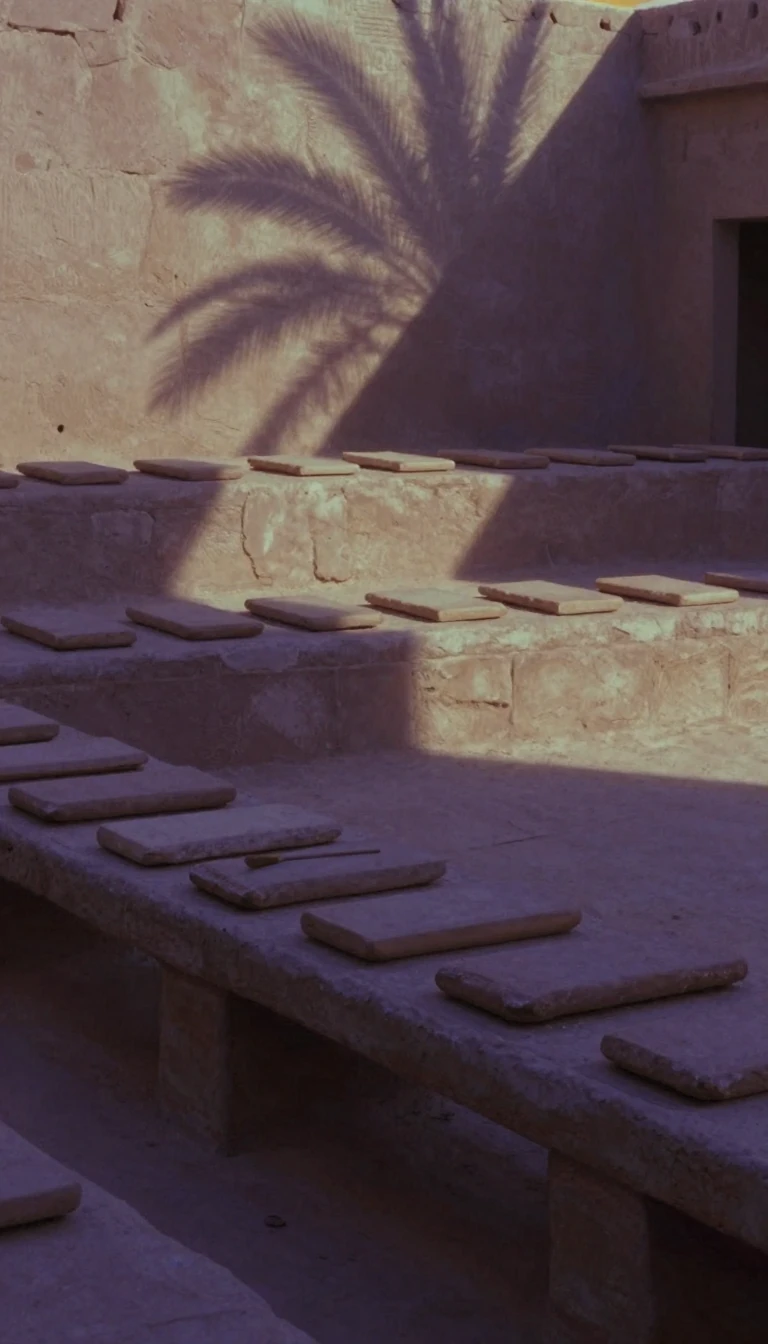
In short: In the semi-arid highlands of Azerbaijan, over 6,000 petroglyphs reveal the evolution of human life from the Upper Paleolithic to the Middle Ages. From ancient ritual dances and hunting scenes to Roman inscriptions and mysterious longships, these engravings offer a rare, tangible window into the spiritual and daily existence of antiquity.
Located 70 km southwest of Baku, the Gobustan Rock Art Cultural Landscape spans 537 hectares across the Jingirdag, Boyukdash, and Kichikdash mountains. This UNESCO World Heritage site, formally established as a reserve in 2007, protects a vast collection of carvings that document 40,000 years of human development. The site was first brought to scholarly attention in the 1930s when quarry workers accidentally uncovered the engravings, leading to extensive research by Ishag Jafarzadeh starting in 1939.
The petroglyphs serve as a chronological record of environmental and social shifts. Early Pleistocene carvings feature large game like aurochs and wild horses, while the Holocene transition brought depictions of smaller animals such as deer and wild boar. Jafarzadeh’s classification system organizes these findings into six distinct eras, ranging from the Neolithic—marked by archers and human figures—to the Middle Ages, which feature camel caravans and inscriptions in Arabic and Persian. Notably, the site also contains a Latin inscription from the reign of Emperor Domitian, evidence of the Roman Legion XII Fulminata’s presence near the Caspian Sea.
Beyond the carvings, the landscape holds archaeological treasures like the Gaval Dash, a prehistoric tambourine stone, and 104 small engraved stones found in stratigraphic layers. Perhaps most intriguing are the carvings of longships dating back 5,000 to 8,000 years. Their resemblance to Viking vessels suggests potential ancient maritime interactions between this region and European or Mediterranean cultures. Today, the site remains a critical landmark for understanding how prehistoric societies expressed their world through art, ritual, and symbolic communication.
The preservation of this site is a relatively modern achievement. While the area was declared a state preserve in 1966, it was not until 2007 that it received its current status as a UNESCO World Heritage Site. Ongoing work by researchers like F. Muradova and J. Rustamov continues to expand the known collection, ensuring that these rocky highlands remain a primary source for studying the trajectory of human civilization in Eurasia.
Opens the Intellect+ feed with this card first. Swipe up for the next one.
Sources
- Summary by Intellect · source: Gobustan Rock Art Cultural Landscape
To cite this card, link to https://intellectplus.co.uk/app/places-gobustan-rock-art-cultural-landscape.
How we source, check and correct cards: Editorial standards.
General information, not professional advice. Spotted an error? Flag the card or see corrections and complaints.
Intellect Plus is a visual educational discovery platform for exploring fascinating facts and ideas. Brain Food, Not Brain Rot. What is Intellect Plus?
Related
More in World Heritage Sites · More in Countries & Cities · Latest · A–Z · All topics
