How a royal citadel survived centuries of upheaval to become a UNESCO treasure
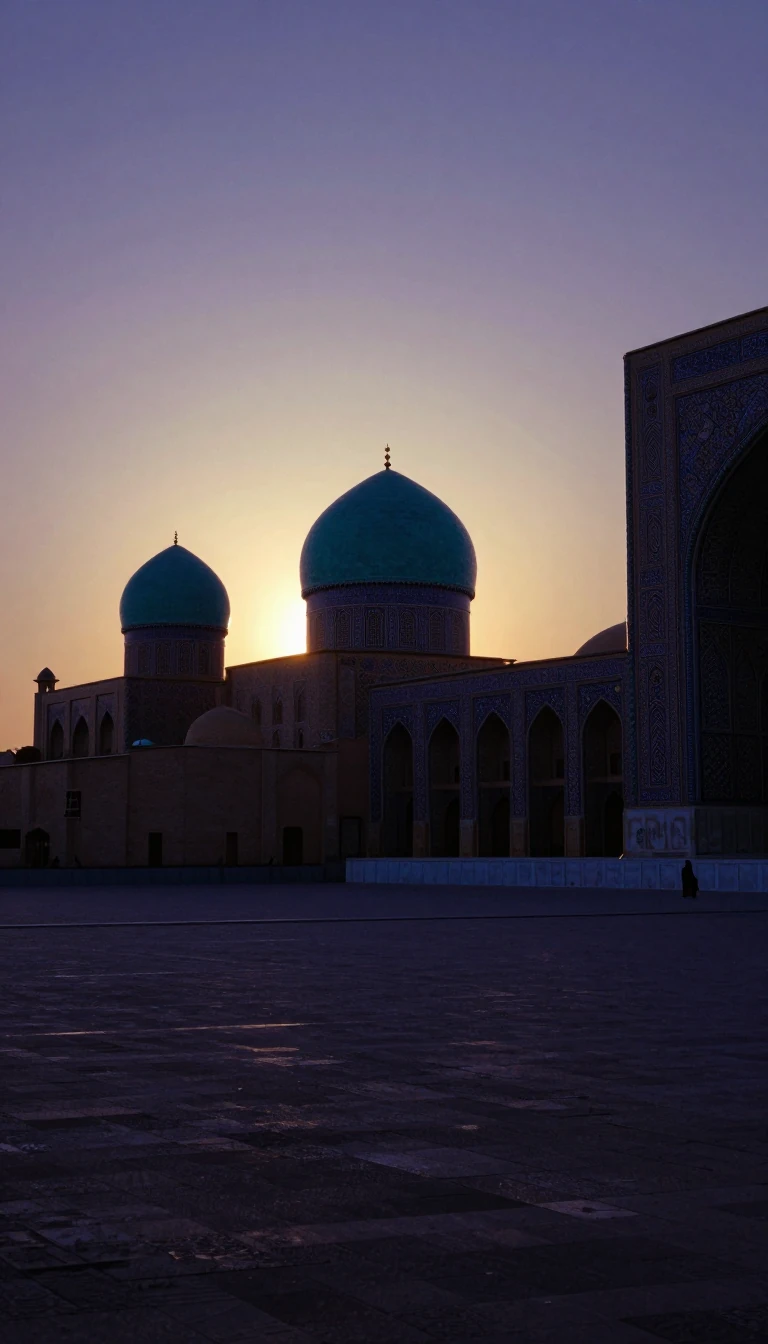
In short: The Golestan Palace in Tehran is a sprawling complex of seventeen royal structures that served as the seat of the Qajar dynasty. Once a center of absolute power and lavish coronations, the site has endured modernization, war, and extensive restoration to preserve its unique blend of Iranian and European artistry.
The origins of the Golestan Palace trace back to the royal citadel of Tehran, with roots reaching as far as the 15th century. While the site saw various developments under the Safavid and Zand dynasties, it became the official residence of the Qajar shahs in the late 18th century. The complex as it stands today was largely shaped during the 131-year Qajar rule, featuring ornate halls like the Marble Throne and the Brilliant Hall, which showcases intricate mirror-work known as Ayeneh-kari.
The 20th century brought significant threats to the palace's integrity. During the Pahlavi era, Reza Shah ordered the destruction of many historic Qajar buildings, viewing them as obstacles to modern urban development. Later, the site faced environmental challenges, including urban pollution and climate-driven material degradation. Between 2007 and 2021, extensive conservation projects were implemented, focusing on reversible interventions and material compatibility to stabilize structures like the Hall of Mirrors and the Shams-ol-Emareh.
The palace's status as a UNESCO World Heritage Site, granted in 2013, highlights its global cultural importance. However, its survival remains precarious. In March 2026, the complex suffered major damage during an air strike targeting the nearby Arg Square, which shattered mirrors and compromised structural elements. Today, the Cultural Heritage Organization of Iran continues to manage the site, balancing the need for public engagement with the ongoing struggle to protect these historic structures from both natural decay and the volatility of modern conflict.
Opens the Intellect+ feed with this card first. Swipe up for the next one.
Sources
- Summary by Intellect · source: Golestan Palace
- Also: Wikidata — Golestan Palace · CC0
- Also: Wikidata — Golestan Palace Library · CC0
To cite this card, link to https://intellectplus.co.uk/app/places-golestan-palace.
How we source, check and correct cards: Editorial standards.
General information, not professional advice. Spotted an error? Flag the card or see corrections and complaints.
Intellect Plus is a visual educational discovery platform for exploring fascinating facts and ideas. Brain Food, Not Brain Rot. What is Intellect Plus?
Related
More in World Heritage Sites · More in Countries & Cities · Latest · A–Z · All topics
