The Golden Mountains of Altai are a frozen vault of ancient nomadic history
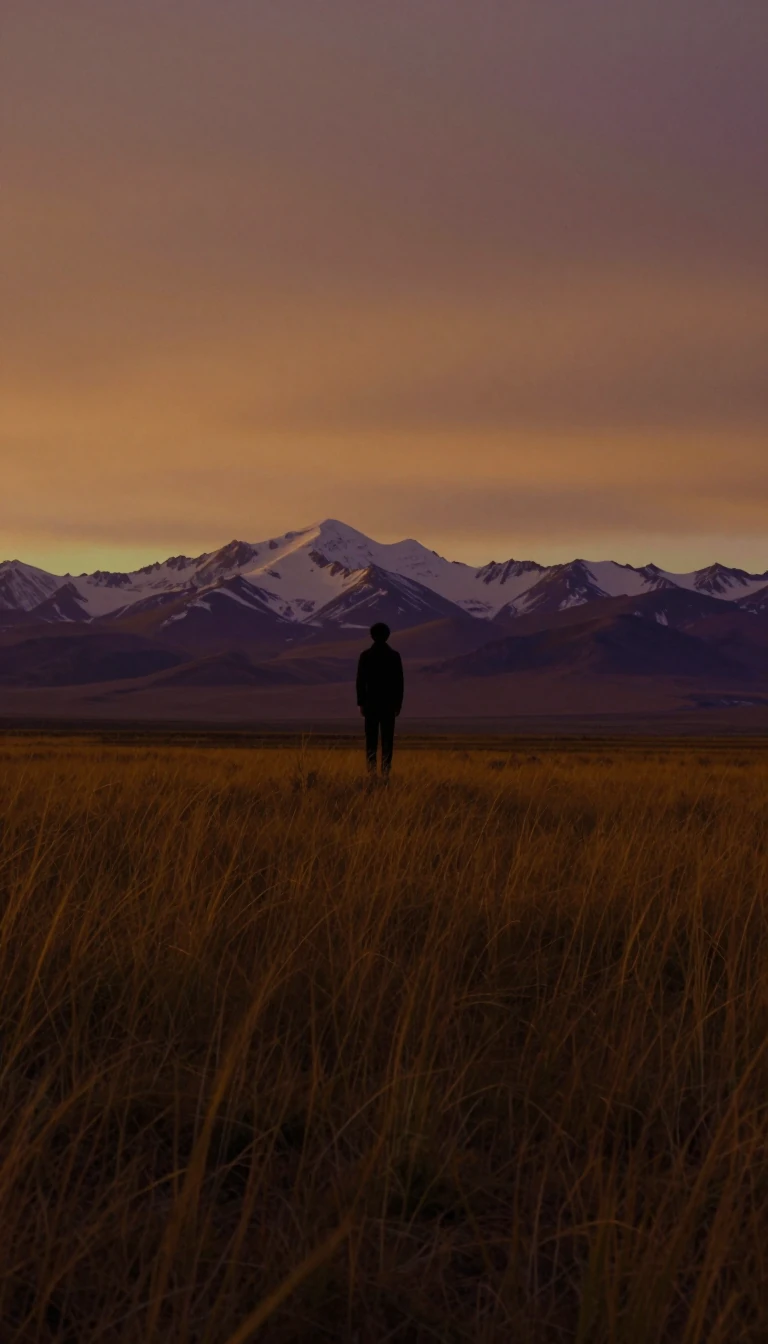
In short: Spanning over 16,000 square kilometers in Russia, the Golden Mountains of Altai are more than a stunning UNESCO World Heritage site. They are a fragile, high-altitude sanctuary for endangered species and a repository of perfectly preserved Scythian tombs, now threatened by the rapid melting of mountain permafrost.
The Golden Mountains of Altai encompass a diverse array of landscapes, ranging from expansive steppes to alpine vegetation. This ecological variety supports rare and endangered wildlife, including the snow leopard, Altai argali, Siberian ibex, Steppe eagle, and Black stork. Beyond its biological significance, the region is deeply spiritual. Mount Belukha, for instance, is considered sacred by Buddhists and Burkhanists, who have long associated the peak with the mythical realm of Shambala. Similarly, the Katun River remains a site of religious importance where local Altaians apply traditional ecological knowledge to maintain the waterway.
Beneath the surface, the region serves as a unique archaeological archive. The permafrost has acted as a natural freezer, preserving Scythian burial mounds, or kurgans, for centuries. These tombs contain remarkably intact artifacts, including gold, textiles, leather goods, and even tattooed, mummified remains. However, this historical treasure is currently under duress. Climate change has led to a 2 °C increase in temperature in the Altai foothills over the last century, causing the permafrost to thaw. This melting threatens the integrity of the frozen tombs and contributes to dangerous glacial outburst floods, such as the retreat of the Sofiyskiy Glacier by 18 meters annually.
The intersection of archaeology and indigenous rights has also sparked significant debate. The Ukok Plateau, a site rich in ancient burials, is considered sacred by the Altai people. Consequently, efforts by scholars to excavate human remains from these sites have faced intense controversy. While international initiatives like the UNESCO Preservation of the Frozen Tombs project were launched in 2005 to address these preservation challenges, the effort concluded in May 2008. Today, the region remains a complex landscape where the urgent need to protect endangered biodiversity and irreplaceable cultural history clashes with the realities of a warming climate and the rights of local communities.
Opens the Intellect+ feed with this card first. Swipe up for the next one.
Sources
- Summary by Intellect · source: Golden Mountains of Altai
- Also: Wikidata — Golden Mountains of Altai · CC0
To cite this card, link to https://intellectplus.co.uk/app/places-golden-mountains-of-altai.
How we source, check and correct cards: Editorial standards.
General information, not professional advice. Spotted an error? Flag the card or see corrections and complaints.
Intellect Plus is a visual educational discovery platform for exploring fascinating facts and ideas. Brain Food, Not Brain Rot. What is Intellect Plus?
Related
More in World Heritage Sites · More in Countries & Cities · Latest · A–Z · All topics
