How a royal Persian palace became the birthplace of modern Iranian artistic expression
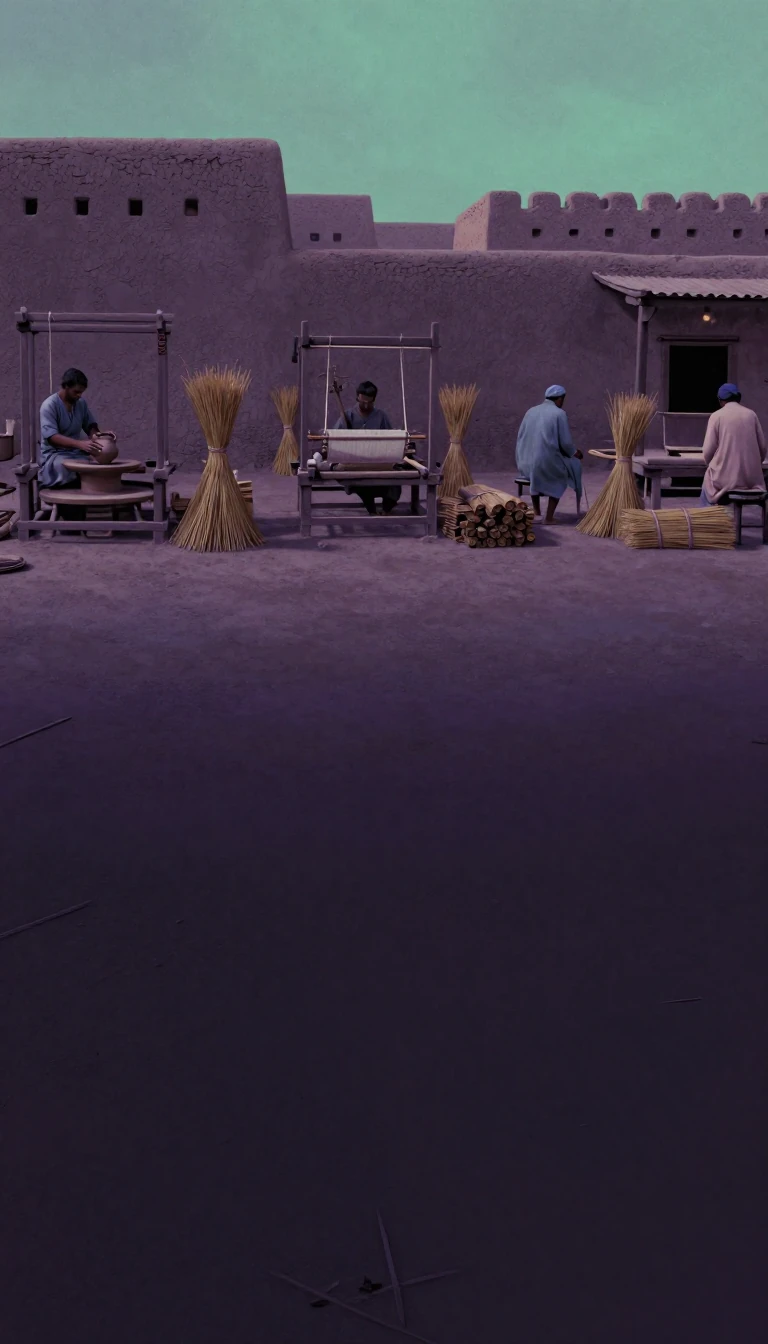
In short: Deep in the historic core of Tehran lies the Golestan Palace, a sprawling complex that served as the seat of the Qajar dynasty. More than just a royal residence, this site became a crucible where traditional Persian craftsmanship collided with European technology, forever changing the trajectory of Iranian art and architecture.
Originally established during the Safavid dynasty, the Golestan Palace complex evolved significantly throughout the 19th century. As the Qajar ruling family selected it as their primary seat of power, the site underwent extensive additions that defined its current character. Today, the complex comprises eight distinct palace structures and lush, shared gardens, all enclosed within a historic walled perimeter. It stands as a testament to a pivotal era of modernization, where the society was actively adapting to new global influences.
The palace is most celebrated for its role as a laboratory for artistic synthesis. Under the Qajar kings, particularly during the reign of Naser ed-Din Shah, the complex became a center for artistic production. Architects and craftsmen began integrating European motifs and building technologies—such as the innovative use of cast iron for load-bearing structures—into the traditional Persian architectural language. This fusion of East and West was not merely decorative; it laid the foundational aesthetic that would dominate Iranian art and architecture well into the 20th century.
While the palace has seen significant changes, including the demolition of parts of the complex under successive rulers, it remains a vital site for historical preservation. It is currently protected under the 1930 Law for Protection of National Heritage and subsequent 1969 legislation regarding historic properties. Management efforts now focus on maintaining the integrity of the site's visual perspectives and conserving its unique interior and exterior decorations. By preserving these remnants of the Qajari era, the Golestan Palace Base ensures that the origins of modern Iranian artistic movements remain accessible, serving as both a museum and a living record of a transformative period in Persian history.
Opens the Intellect+ feed with this card first. Swipe up for the next one.
Sources
- Summary by Intellect · source: Golestan Palace
- Also: Golestan, Tehran
To cite this card, link to https://intellectplus.co.uk/app/places-golestan-tehran.
How we source, check and correct cards: Editorial standards.
General information, not professional advice. Spotted an error? Flag the card or see corrections and complaints.
Intellect Plus is a visual educational discovery platform for exploring fascinating facts and ideas. Brain Food, Not Brain Rot. What is Intellect Plus?
Related
More in Asia · More in Countries & Cities · Latest · A–Z · All topics
