From Pirate Haven to Industrial Hub: The Transformation of Grand Bahama Island
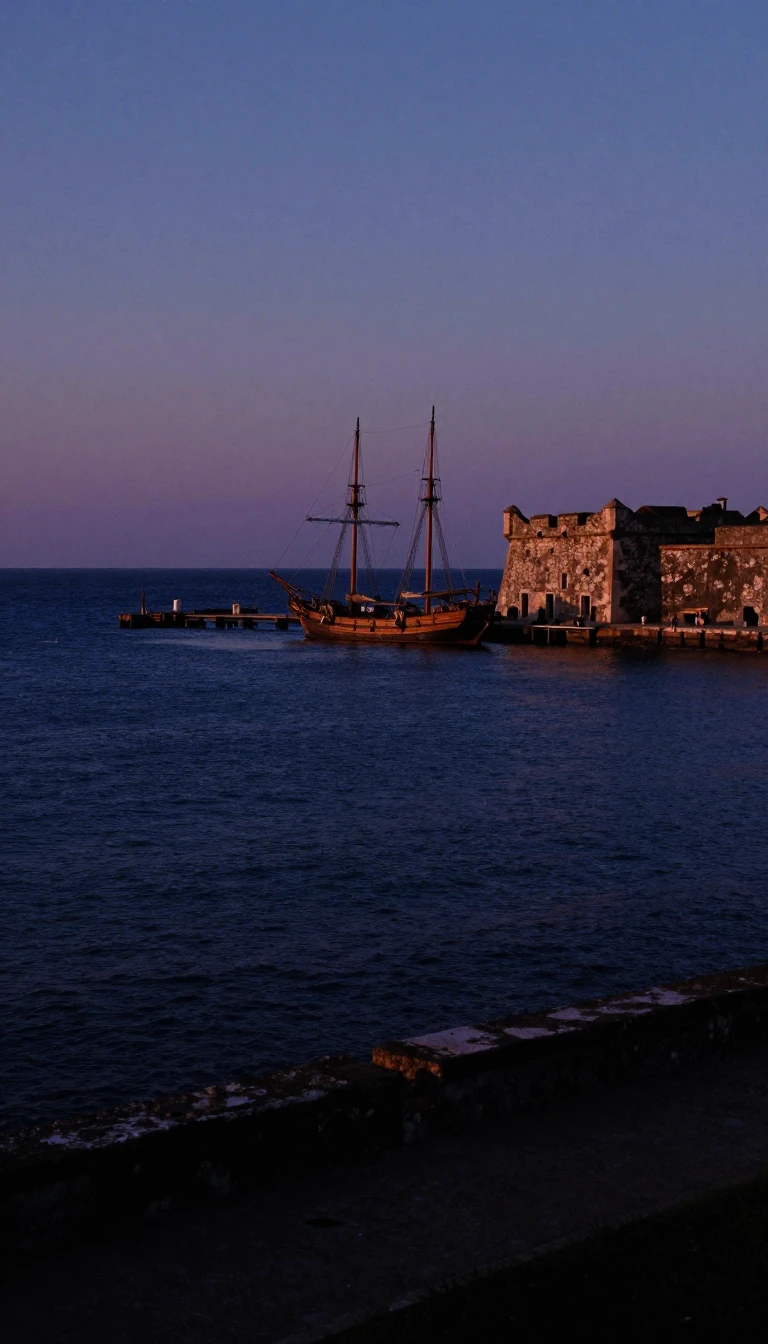
In short: Once a treacherous trap for ships and a smuggling outpost during Prohibition, Grand Bahama evolved into a modern economic engine. Today, it balances industrial giants like oil transshipment and pharmaceutical manufacturing with a thriving tourism sector, all while navigating the environmental challenges of its unique tropical ecosystem and hurricane history.
Grand Bahama, the northernmost island in the Bahamas chain, has a history defined by its geography. For centuries, its dangerous coral reefs repelled Spanish settlers but attracted pirates who used the treacherous waters to lure and plunder passing ships. By 1828, the island remained largely unpopulated, serving only as a brief waystation for smugglers during the United States' Prohibition era. It was not until the mid-20th century that the island began its rapid development, transitioning from a remote outpost into a major commercial center.
The modern era of Grand Bahama began in 1955 when Virginian financier Wallace Groves established the city of Freeport under the Hawksbill Creek Agreement. With the subsequent leadership of Edward St. George and Sir Jack Hayward, the island was transformed, mirroring the tourist-driven success of Cuba. By 2004, the island’s population had surged to over 50,000, making it the second most populous in the Bahamas. Today, the economy is a complex mix of heavy industry—including oil bunkering, container shipping, and pharmaceutical production—and a robust tourism sector centered in Port Lucaya.
Despite this development, the island remains vulnerable to nature. In September 2019, Hurricane Dorian, a Category 5 storm, caused catastrophic destruction, damaging nearly half of the island's homes. Beyond its economic and human history, the island hosts a diverse array of wildlife, from the endangered Bahama swallow to the tiger sharks that patrol its shallow reefs. As the island continues to evolve, it must balance its industrial ambitions with the preservation of its fragile environment, all while operating under a local government structure designed to provide direct rule for its residents.
Opens the Intellect+ feed with this card first. Swipe up for the next one.
Sources
- Summary by Intellect · source: Grand Bahama
- Also: Wikidata — Grand Bahama · CC0
- Also: Wikidata — Grand Bahama International Airport · CC0
To cite this card, link to https://intellectplus.co.uk/app/places-grand-bahama.
How we source, check and correct cards: Editorial standards.
General information, not professional advice. Spotted an error? Flag the card or see corrections and complaints.
Intellect Plus is a visual educational discovery platform for exploring fascinating facts and ideas. Brain Food, Not Brain Rot. What is Intellect Plus?
Related
More in Islands · More in Countries & Cities · Latest · A–Z · All topics
