How a nineteenth-century religious commune evolved into the bustling capital of Somaliland
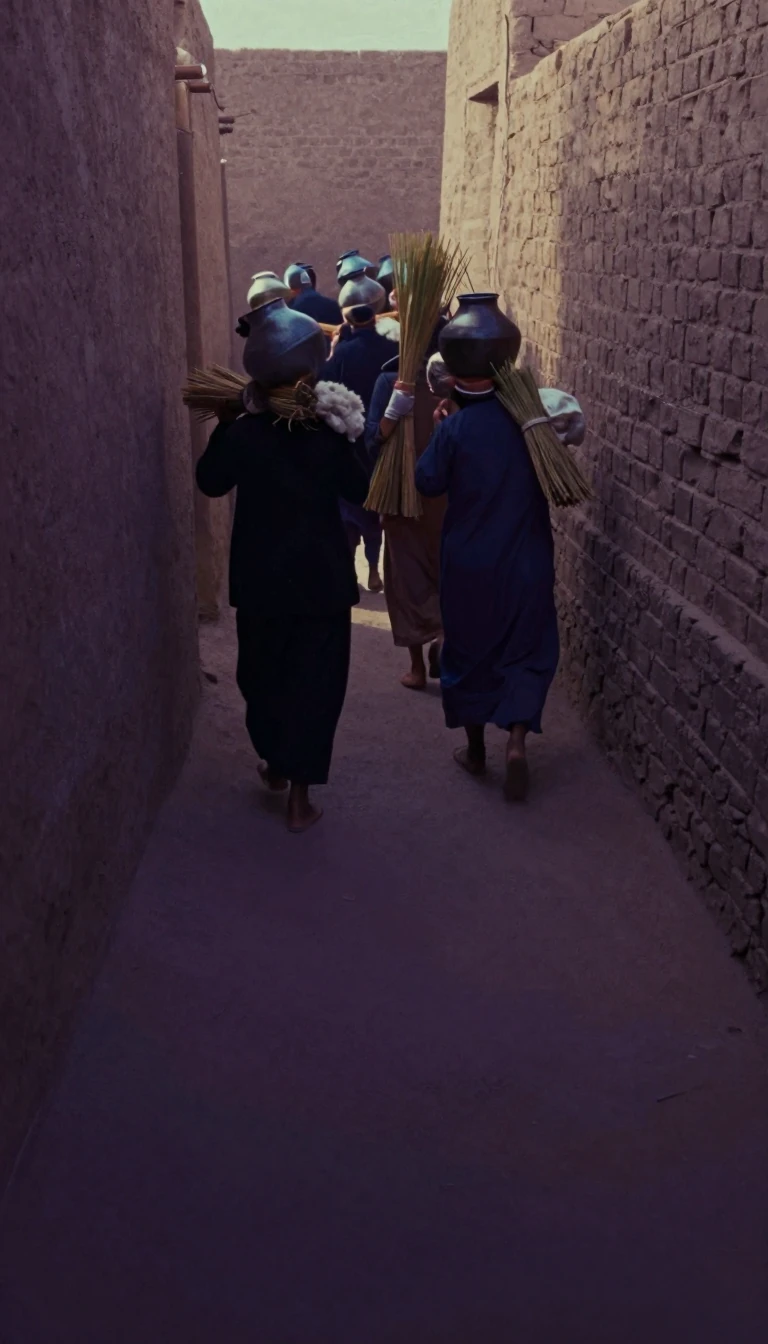
In short: Founded as a modest watering stop for nomadic herders, Hargeisa transformed into a major commercial hub. Despite enduring near-total destruction during the late twentieth century, the city has experienced a remarkable resurgence, fueled by local entrepreneurship and a rapidly growing population that now exceeds one million residents.
Hargeisa began in the mid-1800s as a Qadiriyya religious settlement established by Sheikh Madar. Seeking to emulate the scholarly influence of Harar, Madar promoted a unified religious identity over tribal affiliations and introduced stationary agriculture, including large sorghum plantations. By the 1870s, the site had become a permanent fixture, with early agreements between local leaders banning activities like tree cutting to preserve the area's resources.
The city's trajectory shifted dramatically under colonial administration and subsequent political upheaval. After becoming the capital of the British Somaliland protectorate in 1941, Hargeisa grew into a significant administrative center. However, the late 1980s brought devastation; during the Somaliland War of Independence, the regime of Siad Barre launched a campaign of aerial bombardment and artillery shelling that destroyed approximately 90% of the city. This period of violence targeted the Isaaq ethnic group, leaving the urban landscape in ruins.
Since the declaration of independence in 1991, Hargeisa has undergone a profound reconstruction. This recovery has been largely driven by private investment from local entrepreneurs and the Somali diaspora, who utilize remittance networks to fund new residential and commercial projects. Today, the city serves as the seat of Somaliland's government and a financial center, with a skyline increasingly defined by multi-storey buildings rather than the single-storey structures of the past.
Beyond its modern development, the region is rich in ancient history. The nearby Laas Geel complex contains Neolithic cave paintings featuring human figures and long-horned cattle, which were documented by researchers in the early 2000s. This blend of prehistoric heritage and modern resilience defines Hargeisa, which now supports a population density of roughly 12,600 people for every square kilometre across its 75-square-kilometre urban footprint.
Opens the Intellect+ feed with this card first. Swipe up for the next one.
Sources
- Summary by Intellect · source: Hargeisa
- Also: Wikidata — Hargeisa · CC0
To cite this card, link to https://intellectplus.co.uk/app/places-hargeisa.
How we source, check and correct cards: Editorial standards.
General information, not professional advice. Spotted an error? Flag the card or see corrections and complaints.
Intellect Plus is a visual educational discovery platform for exploring fascinating facts and ideas. Brain Food, Not Brain Rot. What is Intellect Plus?
Related
More in Major world cities · More in Countries & Cities · Latest · A–Z · All topics
