How a toxic cave and thermal springs built a thriving Greco-Roman holy city
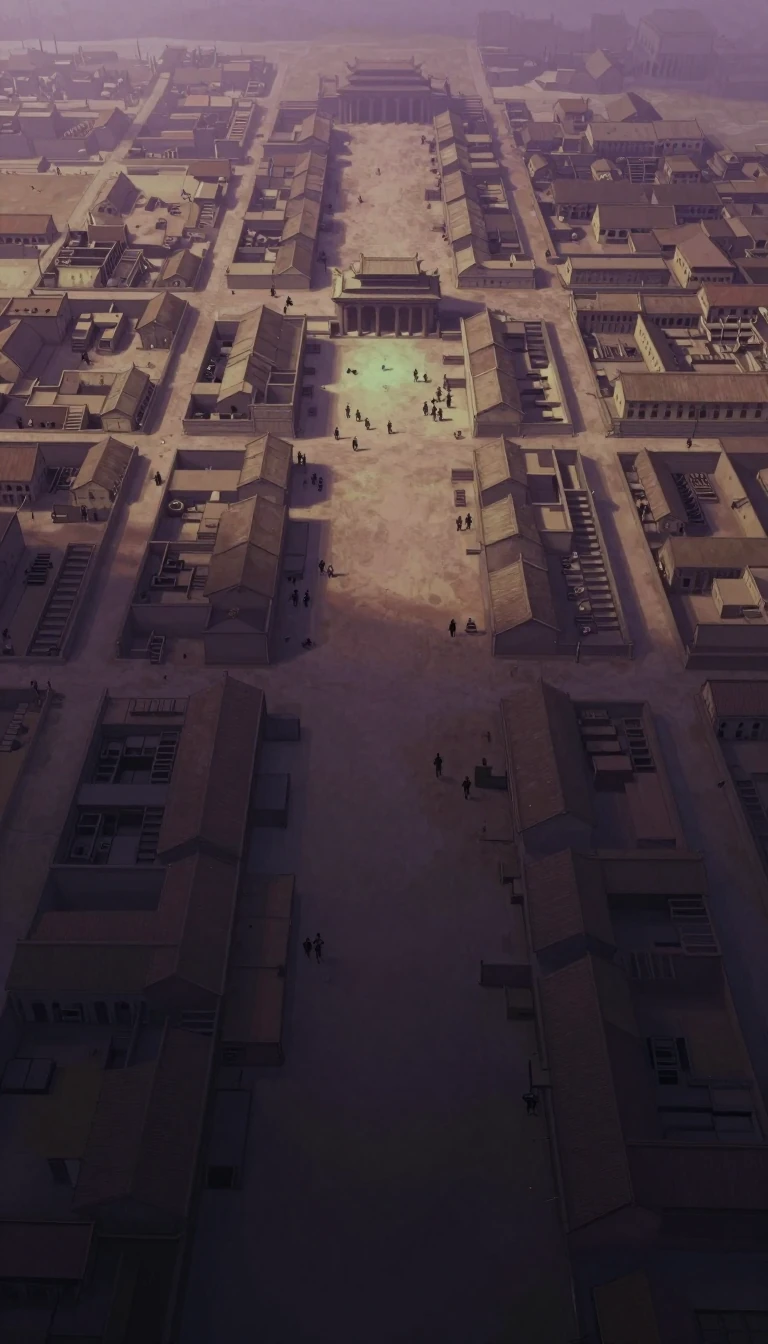
In short: Perched on a cliff in modern Turkey, Hierapolis was once a sacred gateway to the underworld. Famous for its lethal vapours and healing waters, this ancient site evolved from a local cult center into a bustling Roman spa, leaving behind a stunning landscape of petrified waterfalls and monumental ruins.
Founded by the Attalid dynasty of Pergamon near the close of the 2nd century B.C., Hierapolis emerged atop an ancient cult site. The location was revered for its geological peculiarities, specifically a cave emitting noxious gases that locals believed served as a portal to the underworld. While ordinary visitors risked asphyxiation, priests associated with the mother goddess Cybele—and later, the deities Hades and Persephone—reportedly navigated these fumes unharmed. This mystical reputation, combined with the region's abundant thermal springs, transformed the settlement into a premier destination for hydrotherapy and religious pilgrimage.
The city’s prosperity was deeply tied to its natural resources. Beyond its role as a healing center, Hierapolis became a hub for the textile industry, utilizing its mineral-rich waters to scour and dry high-quality wool. Following its transition to Roman control in 133 B.C., the city underwent significant expansion. Despite suffering a catastrophic earthquake in 60 A.D., it was rebuilt with grand architectural features, including a massive theatre, a sprawling necropolis, and a monumental nymphaeum. By the 2nd and 3rd centuries A.D., it had reached the height of its influence.
The arrival of Christianity fundamentally reshaped the city’s identity. Following the martyrdom of St. Philip in 80 A.D., Hierapolis became a vital religious center for the Eastern Roman Empire. By the 5th century, a dedicated martyrium was constructed to commemorate the apostle, featuring an ingenious octagonal design. Today, the site remains a unique intersection of history and geology. The white travertine terraces of Pamukkale, formed by calcium carbonate deposits, provide a surreal backdrop to the archaeological remains, though the influx of modern tourism now poses significant challenges to the preservation of these ancient marble structures.
Opens the Intellect+ feed with this card first. Swipe up for the next one.
Sources
- Summary by Intellect · source: Hierapolis-Pamukkale
- Also: Hierapolis
To cite this card, link to https://intellectplus.co.uk/app/places-hierapolis.
How we source, check and correct cards: Editorial standards.
General information, not professional advice. Spotted an error? Flag the card or see corrections and complaints.
Intellect Plus is a visual educational discovery platform for exploring fascinating facts and ideas. Brain Food, Not Brain Rot. What is Intellect Plus?
Related
More in World Heritage Sites · More in Countries & Cities · Latest · A–Z · All topics
