How a demon king’s attempt to cheat death led to his own divine destruction
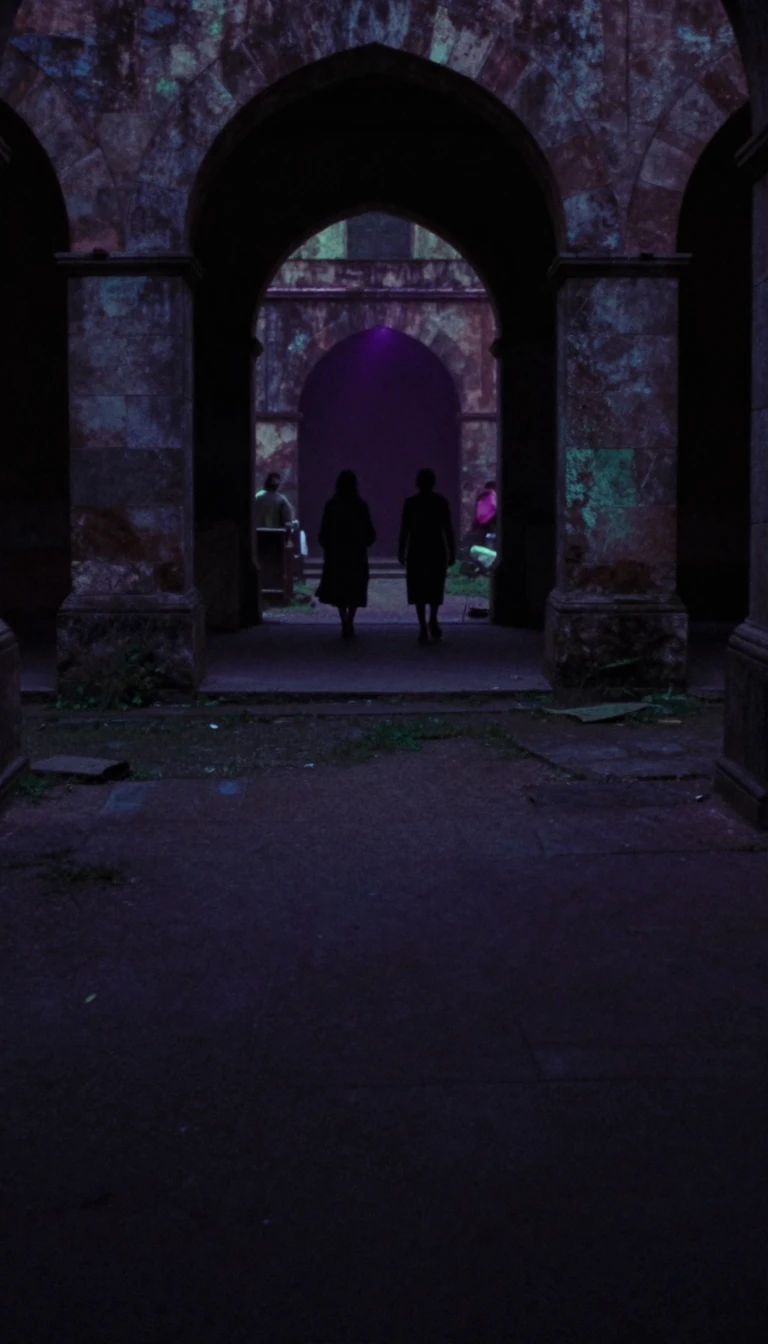
In short: Hiranyakashipu, a powerful asura king, sought absolute invulnerability through extreme penance. By securing a complex boon from Brahma, he believed he had outsmarted fate itself. Yet, his quest for total control triggered a legendary confrontation that redefined the boundaries between the mortal, the divine, and the inevitable.
In Hindu mythology, Hiranyakashipu was a formidable asura king who sought to conquer the three worlds. Driven by vengeance after his brother Hiranyaksha was slain by Vishnu’s Varaha avatar, he performed severe austerities for 11,500 years. His penance was so intense that his body was consumed by insects, leaving only a skeleton, yet his life force persisted. This heat eventually forced Brahma to grant him a boon. Hiranyakashipu crafted his request with legalistic precision: he demanded he not be killed by any human or animal, by any weapon, during the day or night, inside or outside a residence, or on the ground or in the sky.
Armed with this perceived invulnerability, Hiranyakashipu ruled for millions of years. However, his tyranny was challenged by his own son, Prahlada, a devout follower of Vishnu. When the king demanded to know if his rival was omnipresent, Prahlada pointed to a pillar. Hiranyakashipu smashed the stone in rage, prompting Vishnu to manifest as Narasimha, a man-lion avatar. Narasimha bypassed the boon by attacking at twilight, on a threshold, using his claws, and holding the king on his thighs—circumstances that defied the king's specific exclusions.
The narrative serves as a profound exploration of divine justice. While Hiranyakashipu is often depicted as a villain, some Puranic interpretations suggest that his death was a form of purification. By coming into direct contact with Vishnu at the moment of his demise, the demon king was sanctified. This resolution addresses theological questions regarding why a supreme being would act with hostility toward his enemies, framing the conflict as a transformative encounter rather than simple retribution.
The legacy of Hiranyakashipu persists in cultural traditions and physical sites. The festival of Holi, for instance, commemorates the survival of Prahlada after his father attempted to burn him on a pyre with his aunt, Holika. Furthermore, the Narsimha Temple at Sikligarh Dharhara in Bihar is traditionally associated with the site of the king's fort and the very pillar from which Narasimha emerged, grounding these ancient mythological themes in tangible, enduring landscapes.
Opens the Intellect+ feed with this card first. Swipe up for the next one.
Sources
- Summary by Intellect · source: Hiranyakashipu
- Also: Hiranyakashipu | Hindu mythology | Britannica
To cite this card, link to https://intellectplus.co.uk/app/places-hiranyakashipu.
How we source, check and correct cards: Editorial standards.
General information, not professional advice. Spotted an error? Flag the card or see corrections and complaints.
Intellect Plus is a visual educational discovery platform for exploring fascinating facts and ideas. Brain Food, Not Brain Rot. What is Intellect Plus?
Related
More in World Heritage Sites · More in Countries & Cities · Latest · A–Z · All topics
