Why Arequipa is a masterpiece of colonial architecture and volcanic stone
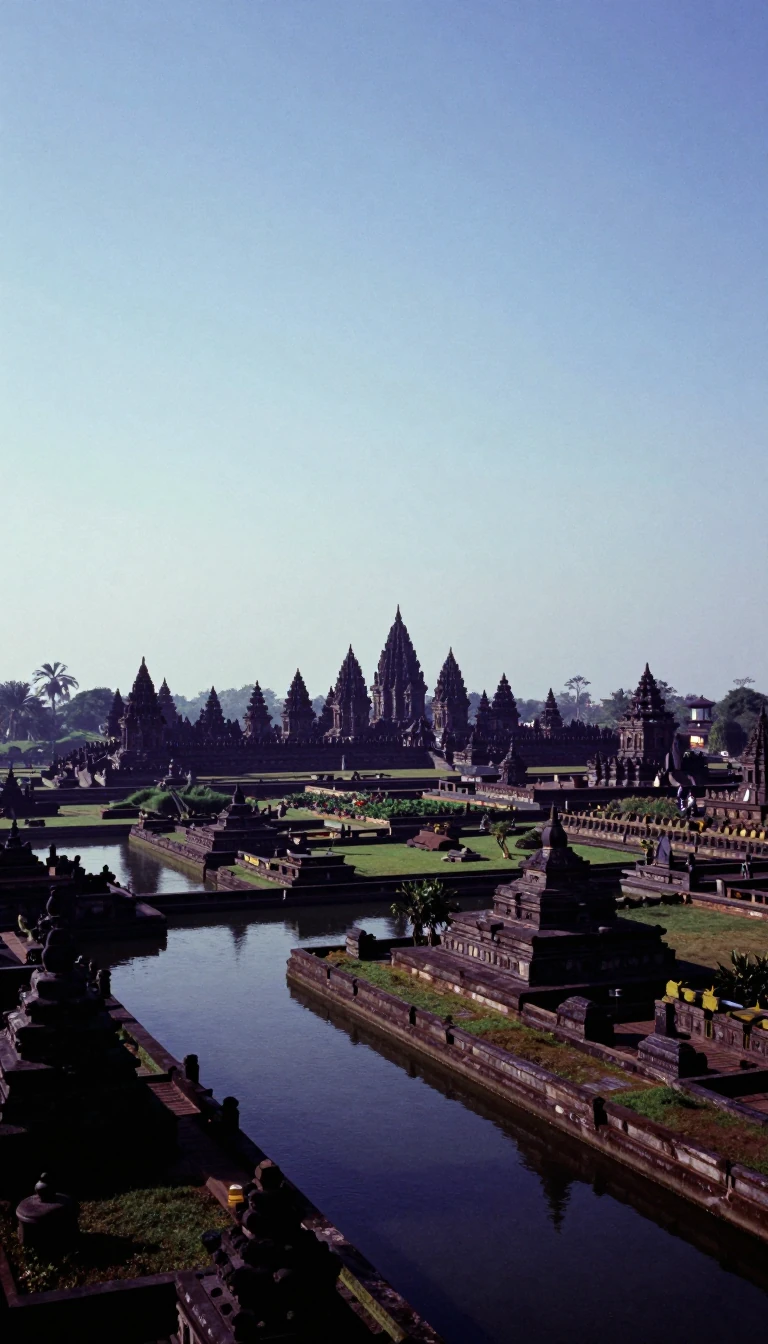
In short: Designated a World Heritage Site in 2000, the historic centre of Arequipa stands as a unique fusion of European and native craftsmanship. Built from volcanic sillar rock, the city showcases a resilient architectural style that successfully navigated the challenges of its natural environment, indigenous influences, and the complex history of colonial conquest.
The historic centre of Arequipa, located in Peru, earned its UNESCO World Heritage status in December 2000. Its architectural identity is defined by the extensive use of sillar, a white volcanic rock that gives the city its distinctive appearance. This material was not merely a structural choice but a necessity for building in a region frequently challenged by the harsh conditions of nature. The resulting structures demonstrate a remarkable integration of European building techniques with native traditions, reflecting a creative coalition that emerged during the colonial period.
The city's aesthetic is characterized by robust walls, expansive archways, and vaulted ceilings that provide both stability and grandeur. These structural elements are complemented by open courtyards and intricate Baroque facades, which highlight the collaborative efforts of colonial masters alongside Criollo and Indian masons. This architectural synergy serves as a physical record of the city's history, incorporating the influences of the conquest process and the era of evangelism into its very foundations.
Beyond its technical construction, the historic centre is celebrated for its spectacular natural setting. The interplay between the man-made environment and the surrounding landscape creates a unique urban fabric that remains a significant cultural landmark. By blending indigenous craftsmanship with European design principles, Arequipa represents a masterpiece of cultural synthesis. The preservation of these sites ensures that the complex narrative of colonial development, shaped by both human ingenuity and the limitations of the natural world, continues to be studied and appreciated as a testament to architectural resilience.
While the site is recognized for its specific blend of influences, it remains a contested space in terms of historical interpretation, as it embodies the often difficult legacy of the conquest and evangelism. Nevertheless, the physical endurance of the sillar structures provides a tangible link to the past, illustrating how diverse groups of people contributed to the creation of a singular, enduring urban identity that persists in the modern era.
Opens the Intellect+ feed with this card first. Swipe up for the next one.
Sources
- Summary by Intellect · source: Historic Centre of Arequipa
- Also: Historic Centre of Arequipa
To cite this card, link to https://intellectplus.co.uk/app/places-historic-centre-of-arequipa.
How we source, check and correct cards: Editorial standards.
General information, not professional advice. Spotted an error? Flag the card or see corrections and complaints.
Intellect Plus is a visual educational discovery platform for exploring fascinating facts and ideas. Brain Food, Not Brain Rot. What is Intellect Plus?
Related
More in World Heritage Sites · More in Countries & Cities · Latest · A–Z · All topics
