Why Odesa’s historic architecture is a rare survivor of 19th-century multicultural ambition
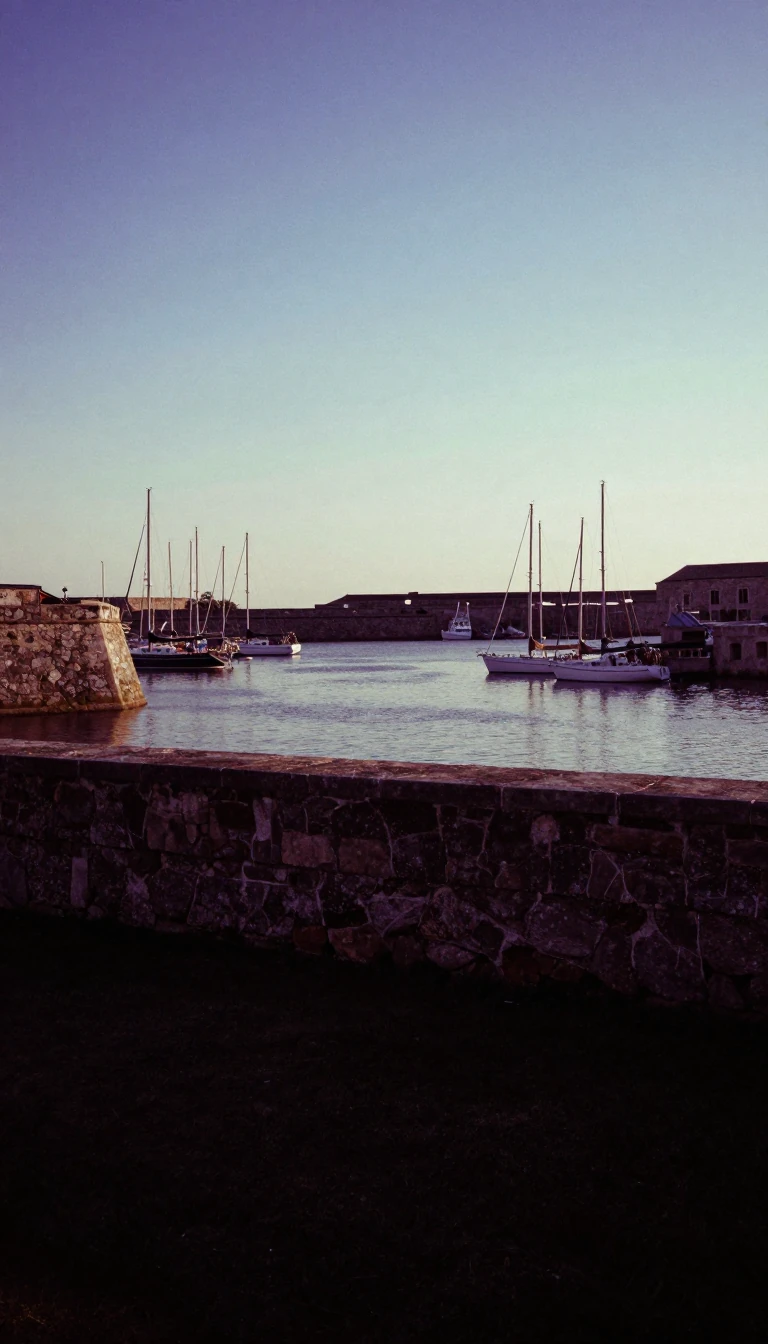
In short: Founded in 1794 as a strategic warm-water port, Odesa evolved into a vibrant, cosmopolitan hub. Its unique grid of tree-lined streets and eclectic buildings reflects a century of rapid growth and diverse cultural exchange. Today, this architectural treasure faces an uncertain future, caught in the crossfire of modern conflict.
Established by Catherine the Great following the 1787–1792 Russo-Turkish war, Odesa was built upon the ruins of a Turkish fortress. Its rapid transformation into a major trading center was fueled by its status as a free port between 1819 and 1859. This economic success attracted a diverse population, fostering a multicultural environment that shaped the city's distinct urban character and architectural variety.
The city’s layout is defined by a grid of spacious, tree-lined streets aligned with deep ravines on the high plateau overlooking the sea. Architects and engineers, many of whom arrived from Italy, designed a dense collection of low-rise structures including palaces, theaters, and banks. Landmarks like the Prymorskyi Boulevard and the Odesa Opera and Ballet Theatre serve as physical testaments to the city's 19th-century prosperity and its role as a melting pot for various social structures and religious denominations.
In 2023, UNESCO recognized the site’s historical significance, granting it World Heritage status. However, the ongoing Russo-Ukrainian war has placed the area on the List of World Heritage in Danger. Recent military strikes have caused significant destruction, including damage to the Transfiguration Cathedral in July 2023 and the Fine Arts Museum in November 2023. Authorities report that at least 25 architectural monuments have suffered damage, highlighting the fragility of this preserved urban fabric.
While the planning principles seen in Odesa were once common across cities within the Russian and Austro-Hungarian empires, Odesa remains exceptional. It has retained a remarkably large portion of its original historic landscape, offering a window into the multi-ethnic traditions that defined Eastern European urban development during the 1800s. Its survival provides a rare, tangible link to a period of intense, cross-cultural growth.
Opens the Intellect+ feed with this card first. Swipe up for the next one.
Sources
- Summary by Intellect · source: Historic Centre of Odesa
To cite this card, link to https://intellectplus.co.uk/app/places-historic-centre-of-odesa.
How we source, check and correct cards: Editorial standards.
General information, not professional advice. Spotted an error? Flag the card or see corrections and complaints.
Intellect Plus is a visual educational discovery platform for exploring fascinating facts and ideas. Brain Food, Not Brain Rot. What is Intellect Plus?
Related
More in World Heritage Sites · More in Countries & Cities · Latest · A–Z · All topics
