The Hollywood Walk of Fame was a desperate attempt to save a dying district.
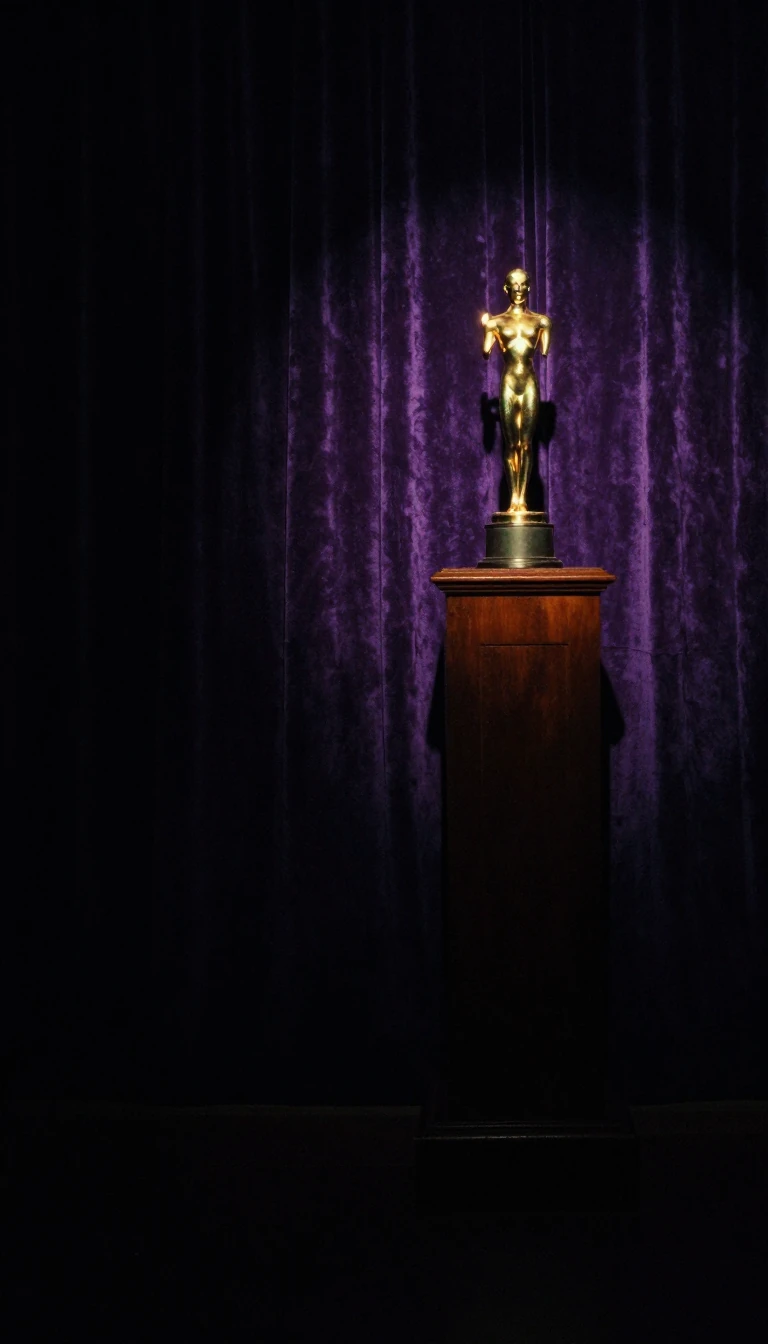
In short: Conceived in 1953, the Walk of Fame was not just a tribute to stars, but a strategic urban renewal project. Facing revenue drops from suburbanization and the Paramount Decree, Hollywood leaders hoped these terrazzo monuments would lure tourists back to the streets and revitalize a neighborhood sliding into long-term urban decay.
The Walk of Fame was born from economic anxiety. By the early 1950s, Hollywood was losing its luster, and local business leaders sought a way to reclaim the district's prominence. The project was officially proposed in 1956, though it faced immediate legal hurdles. Property owners challenged the $1.25 million tax assessment required for construction, and a lawsuit from Charles Chaplin Jr. delayed progress until 1960. When the first permanent star was finally set for Stanley Kramer in March 1960, it marked the beginning of a living monument that included hundreds of blank placeholders for future honorees.
Administration of the Walk is a complex, self-financing operation. The Hollywood Chamber of Commerce manages the selection process, which receives between 200 and 300 nominations annually. To be considered, a nominee must have at least five years of experience in their field and pay a $275 nomination fee. If selected, the honoree's sponsor must pay a $85,000 fee as of 2026. This money covers the star's creation, the unveiling ceremony, and the ongoing maintenance of the entire Walk, which the city of Los Angeles does not fund.
The selection committee has often bent its own rules to maintain the Walk's relevance. While categories are strictly defined—ranging from motion pictures to sports entertainment—the committee has justified unusual choices by reinterpreting these fields. For instance, the Apollo 11 astronauts were honored for contributions to television, and Muhammad Ali’s star was granted by classifying boxing as live performance. Ali’s star is unique for another reason: it is set vertically in a wall, as he requested that his name—which he shares with the Islamic prophet Muhammad—not be walked upon.
Despite its status as a registered historic landmark, the Walk remains a subject of controversy. Its physical state has frequently drawn criticism, leading to a long-term restoration plan initiated in 2007. While the Chamber has faced pressure to remove certain stars, they maintain that they lack the authority to do so, viewing the Walk as an unchangeable part of history. Today, the Walk continues to expand, serving as a complex mix of commercial licensing, public spectacle, and a permanent record of the entertainment industry's evolving hierarchy.
Opens the Intellect+ feed with this card first. Swipe up for the next one.
Sources
- Summary by Intellect · source: Hollywood Walk of Fame
- Also: Wikidata — Hollywood Walk of Fame · CC0
- Also: Wikidata — star on Hollywood Walk of Fame · CC0
To cite this card, link to https://intellectplus.co.uk/app/places-hollywood-walk-of-fame.
How we source, check and correct cards: Editorial standards.
General information, not professional advice. Spotted an error? Flag the card or see corrections and complaints.
Intellect Plus is a visual educational discovery platform for exploring fascinating facts and ideas. Brain Food, Not Brain Rot. What is Intellect Plus?
Related
More in Famous landmarks · More in Countries & Cities · Latest · A–Z · All topics
