A Mughal Empress built a paradise on earth to honor her late husband's legacy.
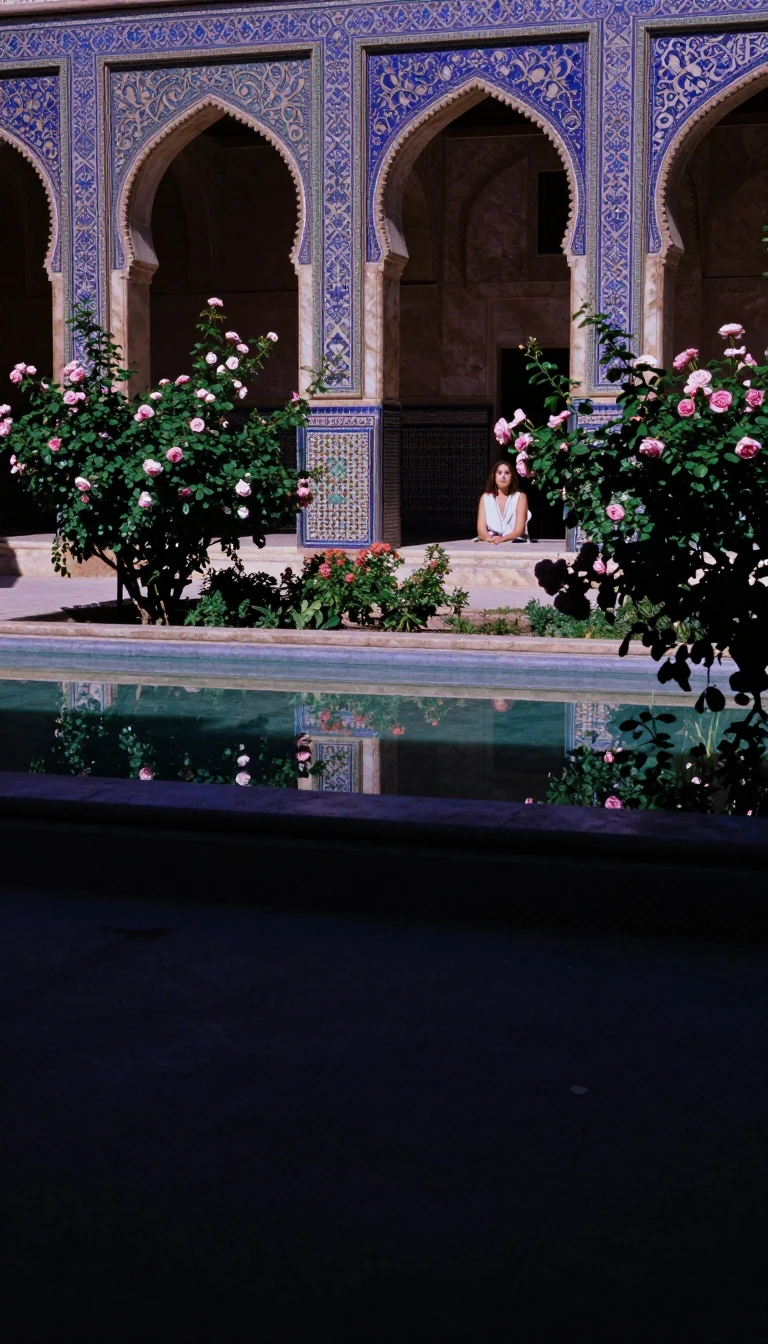
In short: Commissioned in 1558 by Empress Bega Begum, Humayun's tomb transformed Indian architecture. As the first garden-tomb on the subcontinent, it blended Persian design with local red sandstone to create a dynastic monument. This site, now a World Heritage landmark, served as both a royal burial ground and a symbol of sovereignty.
The mausoleum was the vision of Empress Bega Begum, who dedicated her life to memorializing the second Mughal Emperor after his death in 1556. She personally selected two Persian architects, a father and son, to design the structure. Construction began in 1565 and concluded in 1572, costing 1.5 million rupees. The resulting building served as a prototype for the Taj Mahal, introducing the Persian double-dome and the Charbagh garden layout to India.
The complex is far more than a single grave; it is a 'Dormitory of the Mughals' housing over 100 interments. The central chamber features a ninefold floor plan, with eight vaulted rooms surrounding the Emperor's cenotaph. This design reflects Islamic cosmology, where the surrounding garden represents paradise. The site was strategically chosen near the residence of the Sufi saint Nizamuddin Auliya, grounding the imperial monument in a landscape already revered for its spiritual significance.
Over the centuries, the site faced significant decay and misuse. During the 18th-century decline of the Mughal Empire, the gardens were repurposed for vegetable cultivation, and by the 19th century, British authorities altered the landscape to fit an English aesthetic. Following the 1947 Partition, the grounds became a refugee camp, leading to further damage. Extensive restoration efforts, particularly those initiated in the 1990s, have since returned the fountains and gardens to their original, geometric splendor.
The architecture remains a masterclass in synthesis. While the structure relies on Persian influences like the high-necked dome and arched iwans, it incorporates Indian elements such as decorative chhatris and intricate stone latticework. By placing the mausoleum at the intersection of four water channels, the builders created a permanent statement of dynastic power, suggesting that the king’s authority would endure eternally within this earthly representation of heaven.
Opens the Intellect+ feed with this card first. Swipe up for the next one.
Sources
- Summary by Intellect · source: Humayun's tomb
- Also: Wikidata — Humayun's Tomb · CC0
- Also: Wikidata — Humayun's Tomb near Delhi · CC0
To cite this card, link to https://intellectplus.co.uk/app/places-humayun-s-tomb.
How we source, check and correct cards: Editorial standards.
General information, not professional advice. Spotted an error? Flag the card or see corrections and complaints.
Intellect Plus is a visual educational discovery platform for exploring fascinating facts and ideas. Brain Food, Not Brain Rot. What is Intellect Plus?
Related
More in World Heritage Sites · More in Countries & Cities · Latest · A–Z · All topics
