Why China's most famous mountain range requires you to look downward, not up
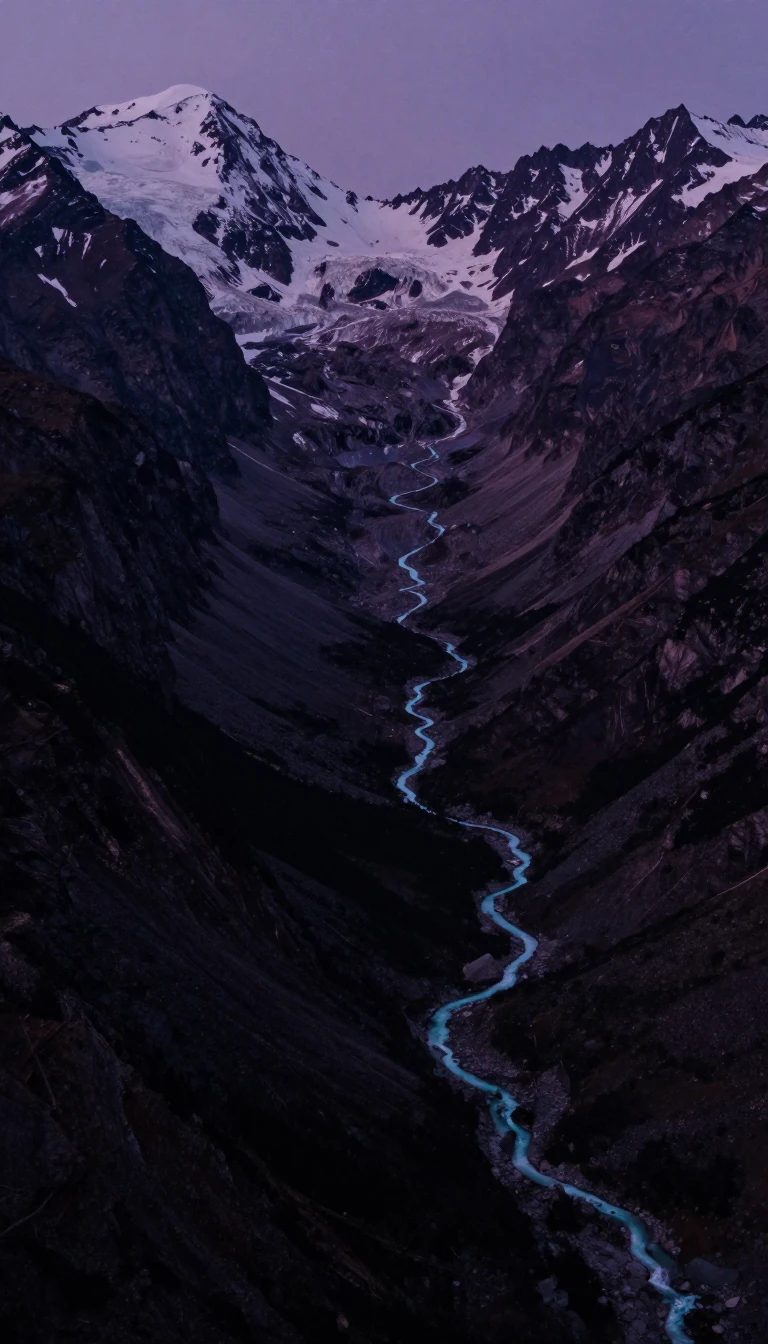
In short: Huangshan, the legendary Yellow Mountain range in Anhui, is celebrated for its granite peaks and sea of clouds. While most mountains demand an upward gaze, Huangshan’s unique vistas often require looking down to appreciate the clouds swirling below. This UNESCO site remains a profound source of Chinese artistic and literary inspiration.
Formed approximately 100 million years ago during the Mesozoic era, Huangshan was shaped by the disappearance of an ancient sea and later sculpted by glaciers during the Quaternary Period. Originally known as Yishan, the range was renamed Huangshan in 747 AD by imperial decree, likely to honor the legendary Yellow Emperor, Huang Di, who is said to have practiced alchemy and ascended to heaven from these heights. The name change transformed the area from an inaccessible wilderness into a site of frequent pilgrimage and temple construction.
The mountain's geography is defined by its dramatic elevation, which dictates its diverse vegetation. Below 1,100 meters, mesic forests thrive, while deciduous forests extend to the treeline at 1,800 meters, giving way to alpine grasslands above. The iconic Huangshan pine, such as the 1,500-year-old Welcoming-Guests Pine, is celebrated for its ability to grow directly from rock. This moist environment also supports the production of Mao feng cha, a renowned green tea named after the downy tips of local leaves.
Huangshan’s cultural footprint is immense. Between the Tang and Qing dynasties, over 20,000 poems were written about the range, and it inspired an entire school of painting. Its influence persists in modern media, with director James Cameron citing the landscape as an inspiration for the world of his 2009 film, Avatar. Today, the site is managed as a UNESCO Global Geopark, balancing its role as a major tourist destination—which saw over 1.5 million visitors in 2007—with its status as a critical habitat for rare species, including the Tibetan macaque.
Opens the Intellect+ feed with this card first. Swipe up for the next one.
Sources
- Summary by Intellect · source: Huangshan
- Also: Wikidata — Huangshan · CC0
- Also: Wikidata — Huangshan · CC0
To cite this card, link to https://intellectplus.co.uk/app/places-huangshan.
How we source, check and correct cards: Editorial standards.
General information, not professional advice. Spotted an error? Flag the card or see corrections and complaints.
Intellect Plus is a visual educational discovery platform for exploring fascinating facts and ideas. Brain Food, Not Brain Rot. What is Intellect Plus?
Related
More in World Heritage Sites · More in Countries & Cities · Latest · A–Z · All topics
