The Mughal Emperor who turned a battlefield into a sanctuary
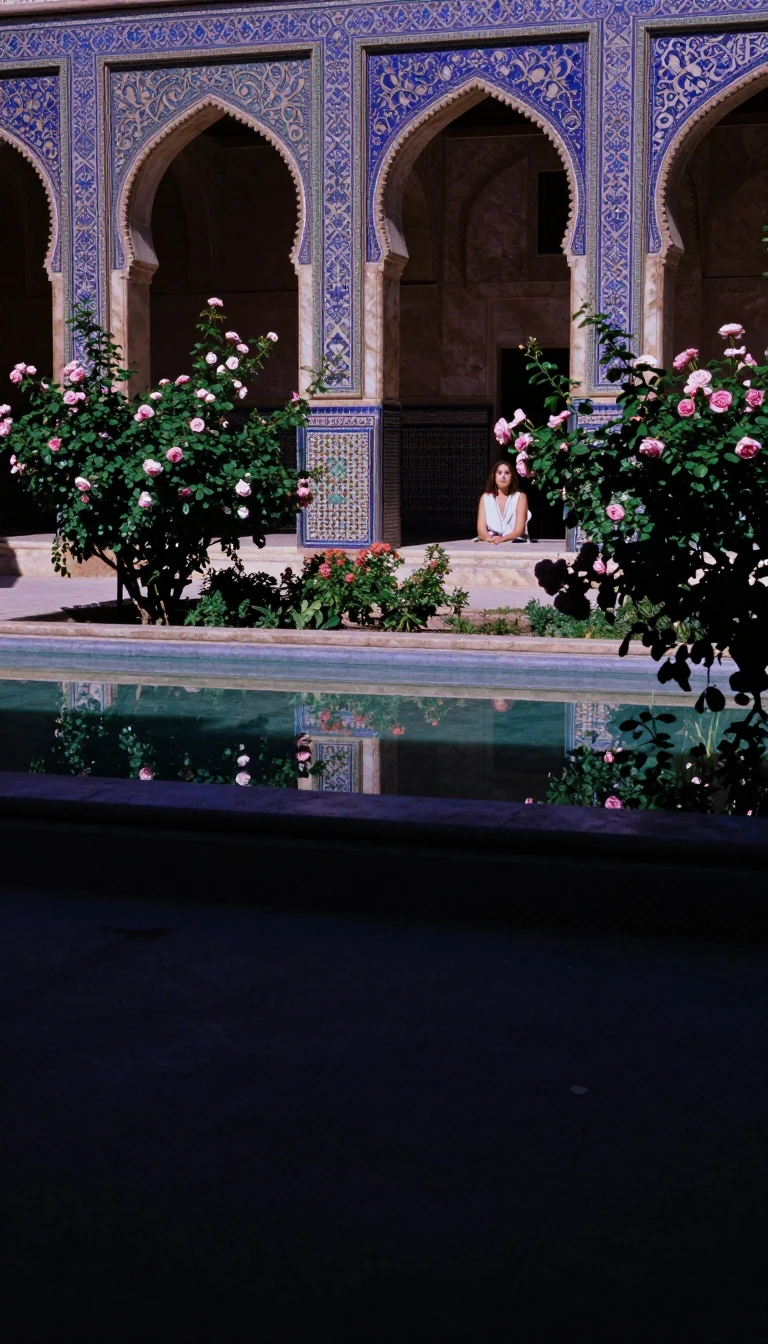
In short: In 1504, Babur seized Kabul and transformed its landscape into an 'avenue garden.' This wasn't just landscaping; it was a deliberate act of imperial identity. Today, the site remains a sacred space where history, royal lineage, and architectural evolution collide in one of Afghanistan’s most significant heritage sites.
The Bagh-e Babur (Gardens of Babur) serves as a living chronicle of Mughal power. While the site contains relics dating back to the 3rd century BC—suggesting it was an ancient caravan exchange point—it was Babur, the founder of the Mughal Empire, who redeveloped it in 1504 after taking Kabul from the Arghun dynasty. He utilized the space as a summer guest house, establishing a tradition where Mughal princes created pleasure sites during their lives to serve as their final resting places.
Successive rulers treated the site with deep reverence. In 1607, Emperor Jahangir ordered the surrounding walls and a prayer platform for Babur's grave. By 1638, Shah Jahan added a marble screen and built a mosque on the terrace below. However, some historians, like Salome Zajadacz-Hastenrath, argue that Shah Jahan’s additions effectively transformed the space into a formal graveyard, deliberately separating the Emperor's tomb from others to emphasize his unique status.
The garden has survived centuries of upheaval, including heavy damage during the Afghan Civil War (1992–1996). Restoration efforts since 2002 have used traditional techniques like 'pakhsa' (hand-laid earth) and sun-dried bricks. Modern rehabilitation by the Aga Khan Trust for Culture aims to restore cultural identity by rebuilding perimeter walls and restoring the Shahjahani mosque, balancing the preservation of Babur’s legacy with contemporary ecological and social needs.
Today, the garden is a major tourist destination, hosting over one million visitors annually in 2016. It remains a site of profound personal history, housing the tombs of Babur's relatives, including his sister Khanzada Begum and his daughter Gulbadan Begum, the author of the Humayun-Nama.
Opens the Intellect+ feed with this card first. Swipe up for the next one.
Sources
- Summary by Intellect · source: Gardens of Babur
To cite this card, link to https://intellectplus.co.uk/app/wars-gardens-of-babur.
How we source, check and correct cards: Editorial standards.
General information, not professional advice. Spotted an error? Flag the card or see corrections and complaints.
Intellect Plus is a visual educational discovery platform for exploring fascinating facts and ideas. Brain Food, Not Brain Rot. What is Intellect Plus?
Related
More in Early modern wars · More in Wars & Conflicts · Latest · A–Z · All topics
