From a small fishing village to a global nature destination
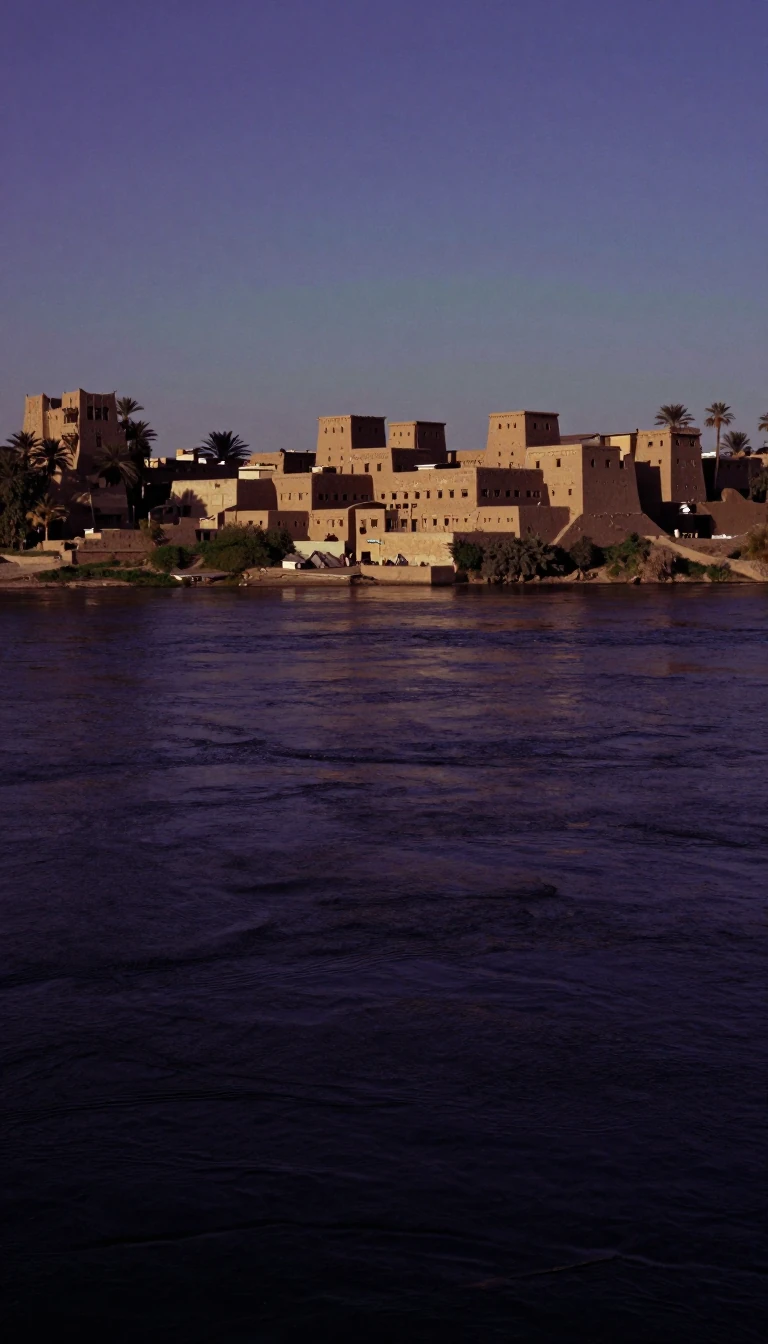
In short: Hurghada has transformed from a modest coastal settlement into one of the world's top tourist destinations. While it now serves as a massive hub for luxury resorts and watersports, its roots lie in ancient history and a unique linguistic evolution tied to native desert flora.
The city’s identity is deeply rooted in its geography and linguistics. Its name derives from the Arabic word 'ghardaq,' referring to the Nitraria plant. This term was influenced by the Beja language of the native Ababda tribe, who originally settled along the natural harbor of Sekalla in the late 19th century. While it officially became a city in 1905, the surrounding coast has been inhabited since antiquity. Notably, the nearby settlement of Abu Sha’ar served as a Roman military fort between 309 and 311, later becoming a Christian community by 400.
The modern era of Hurghada was defined by rapid industrial and tourism growth starting in the 1980s. Following the discovery of oil in 1913 by Anglo-Egyptian Oilfields Ltd., the region saw significant investment. Today, it is a primary gateway for international travelers, particularly from Europe, and serves as Egypt's second-busiest airport. The city has become so culturally distinct that Russians nicknamed it 'Krasnomorsk,' establishing a community large enough to require its own schools and a consulate opened in 2017.
However, this rapid expansion comes with environmental costs. A study revealed that the region's coral reefs have declined by 50% over three decades due to pollution, sewage, and dredging from tourism activities. Despite these challenges, Hurghada remains a premier destination for scuba diving and snorkeling, featuring famous shipwrecks like the El Mina and Rosalie Moller. It balances its role as a high-traffic resort hub with its status as a major gateway for excursions to historical sites like Luxor and Cairo.
The city's layout reflects this duality between tradition and modernity. The oldest district of Sakala preserves the heritage of Ababda fishermen, while newer developments like El Mamsha house luxury hotels and shops. This infrastructure supports over 9 million annual visitors, cementing Hurghada’s position as a global leader in nature-based tourism.
Opens the Intellect+ feed with this card first. Swipe up for the next one.
Sources
- Summary by Intellect · source: Hurghada
- Also: Wikidata — Hurghada · CC0
To cite this card, link to https://intellectplus.co.uk/app/places-hurghada.
How we source, check and correct cards: Editorial standards.
General information, not professional advice. Spotted an error? Flag the card or see corrections and complaints.
Intellect Plus is a visual educational discovery platform for exploring fascinating facts and ideas. Brain Food, Not Brain Rot. What is Intellect Plus?
Related
More in Africa · More in Countries & Cities · Latest · A–Z · All topics
